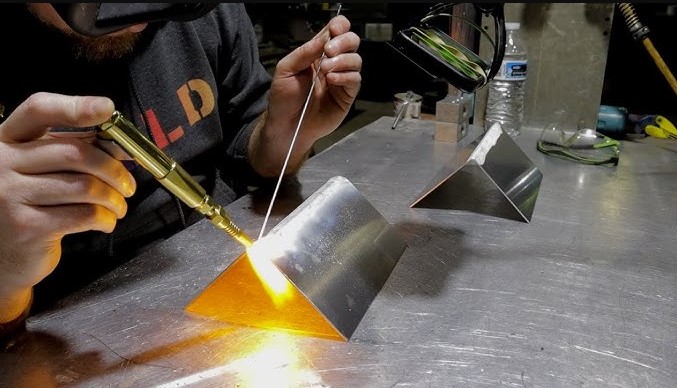
Aluminium welding is the specialized process of joining aluminium components using heat, typically through TIG or MIG methods. Because aluminium conducts heat rapidly and forms a stubborn oxide layer, mastering this skill requires specific techniques and high-quality equipment to ensure strong, clean, and durable results.
If you have ever spent time in a metal fabrication shop, you know that aluminium is a unique beast. It is lightweight, strong, and looks great, but it does not behave like steel. If you are asking yourself, “What is aluminium welding?” you are likely ready to take your fabrication game to the next level. Welding this material is a skill that separates the hobbyists from the true craftsmen.
In 2026, the technology behind welding has become incredibly accessible. We have better machines, smarter software, and more reliable consumables than ever before. However, the basic physics of aluminium remains the same. It is a temperamental metal that demands respect. Whether you are building a custom boat, fixing a bike frame, or working on automotive parts, understanding the “why” and “how” behind the arc is the first step toward success.
Key Takeaways
- Understanding Oxidation: Aluminium develops a tough oxide layer that melts at a much higher temperature than the metal itself, which must be cleaned before welding.
- Heat Conductivity: Aluminium acts like a heat sink, meaning you need to manage your heat input carefully to prevent burning through or failing to fuse the parts.
- Technique Matters: TIG (GTAW) is generally preferred for thin, precise work, while MIG (GMAW) is better for thicker materials and speed.
- Purity is Paramount: Contamination from oil, grease, or dirt is the number one cause of porosity in your aluminium welds.
- Equipment Selection: In 2026, modern inverter-based machines make aluminium welding much easier by providing advanced AC balance and frequency controls.
- Safety First: Aluminium welding produces bright UV rays and fumes, necessitating high-quality respiratory protection and auto-darkening helmets.
The Science Behind Aluminium Welding
To understand what is aluminium welding, you have to understand the metal itself. Aluminium is a fantastic conductor of heat. While this is great for radiators and cooling systems, it is a challenge for welders. When you apply an arc to a piece of steel, the heat stays localized. With aluminium, the heat travels away from the weld zone instantly. This can make it feel like you are chasing your tail while trying to build a puddle.
Managing the Oxide Layer
Aluminium loves oxygen. In fact, as soon as you cut or clean a piece of aluminium, a thin, microscopic layer of aluminium oxide forms on the surface. Here is the kicker: the metal melts at around 1,220 degrees Fahrenheit, but that oxide layer does not melt until it hits about 3,700 degrees. If you try to weld through that layer without cleaning it, you will get poor fusion and ugly, gray welds. Always clean your work with a dedicated stainless steel wire brush before you start.
Preventing Porosity
Porosity looks like little air bubbles trapped in your weld. It happens when hydrogen gets trapped in the molten pool. Since aluminium is porous by nature, it acts like a sponge for moisture, grease, and oil. If your weld bead looks like a piece of Swiss cheese, you likely have contamination. Keeping your workspace surgically clean is not just a suggestion; it is a requirement for a structurally sound weld.
Choosing Your Welding Method
When you start researching what is aluminium welding, you will quickly find two main contenders: TIG and MIG. Each serves a different purpose, and choosing the right one depends on your project goals.
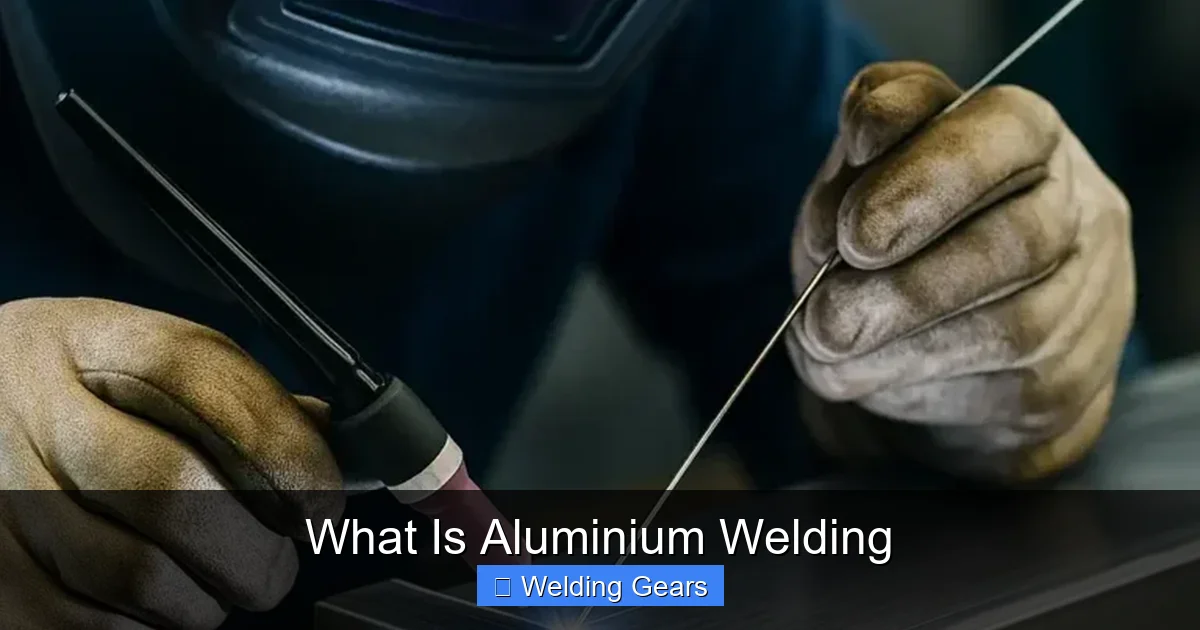
TIG Welding (GTAW)
TIG welding is often considered the “gold standard” for aluminium. It offers the most control and the prettiest results. Using an AC (Alternating Current) TIG welder allows you to balance the cleaning action of the arc with the penetration of the heat. This is perfect for thinner materials and parts that require a stack-of-dimes appearance.
MIG Welding (GMAW)
MIG welding with a spool gun or a push-pull system is the workhorse method. It is much faster than TIG and great for thicker plates. In 2026, many entry-level machines come with pre-set synergic programs for aluminium. This takes the guesswork out of wire feed speeds and voltage, making MIG welding far more beginner-friendly than it was a decade ago.
The Importance of Proper Gear
You cannot use the same setup for aluminium that you use for steel. If you try to run aluminium wire through a standard MIG torch, it will kink and bird-nest inside the liner immediately. Aluminium wire is soft, like cooked spaghetti. You need a Teflon liner and a dedicated gun to move that wire smoothly.
AC/DC Inverter Machines
If you are serious about this, invest in a modern AC/DC inverter. These machines are lighter, more efficient, and provide a stable arc that makes welding aluminium feel almost like painting. Look for features like “Pulse” settings, which allow you to cycle the heat. This helps you avoid blowing holes through thin sections of the metal.
Gas Selection
Argon is the industry standard shielding gas for aluminium welding. It provides excellent cleaning action and a stable arc. For thicker pieces, some professionals mix in a bit of helium to get better penetration, but for 95% of projects you will encounter, pure Argon is the way to go.
Techniques for Beginners
If you are just starting, do not get discouraged. Aluminium welding is a marathon, not a sprint. Start by practicing on scrap pieces of the same thickness and alloy you intend to use for your final project. Consistency is the goal.
The “Cleaning Action” Principle
On your AC TIG machine, you will see a setting called “AC Balance.” This controls the ratio of time spent in the positive and negative cycles. The positive side clears the oxide layer, while the negative side puts heat into the metal. A good starting point is about 65-70% cleaning. If your tungsten is balling up too much, adjust your balance.
Controlling the Heat
As you weld, the piece will get hotter and hotter. What starts as a perfect weld at the beginning of the seam might become a burnt mess by the end. Use a scrap piece of metal as a heat sink if you are working on something small, or simply pause between sections to let the base metal cool down. There is no shame in taking your time.
Common Challenges and How to Fix Them
We have all been there. You are halfway through a weld, and suddenly the arc starts dancing, or the puddle turns black. These are common growing pains. Here is how to handle the most frequent issues.
Why is my weld turning black?
Black soot around the weld bead is usually a sign of an incorrect AC balance or bad gas coverage. Check your gas flow rate; usually, 15-20 cubic feet per hour is the sweet spot. Also, make sure you are not welding in a drafty garage, as wind will blow your shielding gas away.
Why does my tungsten keep melting?
If you are using a TIG welder, your tungsten electrode should remain pointed. If it is melting or creating a ball at the tip, you are either using the wrong size electrode for your amperage, or your AC balance is set too far toward the positive side. Keep your electrode sharp and clean!
The Future of Aluminium Fabrication in 2026
We are living in an exciting time for metalworkers. In 2026, we see AI-assisted welding machines that can sense the thickness of the metal and automatically adjust the arc characteristics. While this does not replace the need to learn the basics, it makes the learning curve much smoother.
Additive manufacturing and 3D metal printing are also changing the game. We are seeing a hybrid approach where complex parts are printed and then finished with traditional aluminium welding. As these technologies merge, the role of the skilled welder remains vital. Machines can place the bead, but they cannot replace the intuition of a human who knows how to read a puddle.
Ultimately, what is aluminium welding? It is a conversation between you, the heat, and the metal. It is about patience, preparation, and practice. Once you get the hang of it, you will find that working with aluminium is incredibly rewarding. It is lightweight, durable, and when done right, it looks like a work of art.
So, grab some scrap, fire up your machine, and do not be afraid to fail. That is how you learn. Keep your tungsten sharp, your metal clean, and your arc steady. Happy welding!
Frequently Asked Questions
Do I really need to clean aluminium before welding?
Yes, absolutely. Because of the tough oxide layer and the metal’s tendency to absorb contaminants, cleaning with a stainless steel brush is essential for a high-quality, strong weld.
Is TIG or MIG better for a beginner?
MIG is generally considered easier for beginners to pick up because of the wire-feed system, but TIG offers more control and is better for learning the fundamentals of the aluminium puddle.
Can I use my regular steel welding wire for aluminium?
No, you must use a dedicated aluminium filler rod or wire that matches the alloy of your base metal. Using steel wire will result in a weak, incompatible joint that will likely fail.
Why does my aluminium weld have tiny holes?
Those holes are called porosity, and they are caused by contaminants like oil, moisture, or dirt. Ensure your metal is perfectly clean and your shielding gas flow is consistent to prevent this.
What is the best gas for aluminium welding?
Pure Argon is the standard shielding gas for almost all aluminium welding applications. It provides the right balance of arc stability and cleaning action for most common alloys.
Why does my aluminium get so hot so fast?
Aluminium is an excellent conductor of heat, meaning it moves heat away from the weld zone much faster than steel. You may need to use higher amperage initially and then reduce it as the base metal heats up.