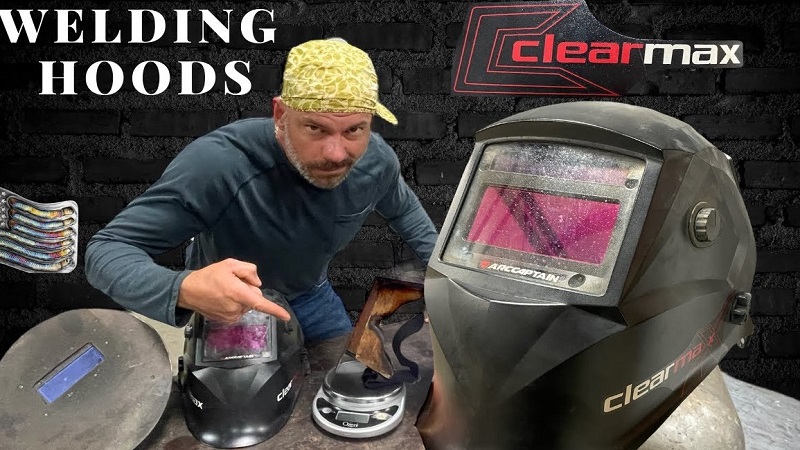
A welding hood is a vital piece of personal protective equipment designed to shield a welder’s eyes and face from intense light, sparks, and harmful radiation. By utilizing advanced auto-darkening technology and durable shell materials, it ensures that you can work safely and effectively in any environment.
If you have ever walked into a metal shop, you have likely seen that iconic piece of gear sitting on the workbench. You might be asking yourself, what is a welding hood, and why is it so important? At its core, a welding hood is a specialized helmet used by welders to protect their faces, eyes, and necks from the intense hazards of the job. In 2026, these tools have become much more than just a piece of plastic; they are high-tech safety systems designed to keep you productive and healthy.
When you strike an arc, you are generating extreme heat and light that is far brighter than the sun. Without the proper protection, you risk permanent eye damage and painful skin burns. A welding hood acts as a barrier, using advanced filter technology to block harmful light while still allowing you to see your work clearly. Whether you are a hobbyist working on a classic car or a professional on a construction site, understanding your hood is the first step toward master-level welding.
Key Takeaways
- Essential Protection: A welding hood is your primary line of defense against retinal burns and skin damage caused by UV and infrared light.
- Auto-Darkening Innovation: Modern hoods feature sensors that adjust shade levels instantly, allowing you to maintain better workflow efficiency.
- Comfort Matters: Ergonomic designs and adjustable headgear reduce neck strain during long fabrication sessions.
- Versatility: Different styles, such as passive and auto-darkening, serve various skill levels and welding processes.
- Safety Standards: Always verify that your hood meets ANSI Z87.1 requirements to ensure it offers the highest level of impact and radiation protection.
Understanding the Anatomy of a Welding Hood
To really get to the bottom of what is a welding hood, you need to look at how it is built. A standard hood is composed of several key parts, each playing a role in your safety and comfort. It isn’t just a mask; it is a complex piece of equipment engineered for the harsh reality of a welding shop.
The Shell and Headgear
The shell is the outer housing of the helmet. Most modern hoods are made from high-impact nylon or heat-resistant fiberglass. These materials are lightweight yet incredibly tough, capable of deflecting hot sparks and falling metal slag. The headgear, on the other hand, is the internal suspension system. In 2026, manufacturers have focused heavily on weight distribution. A good headgear system ensures the weight of the hood is balanced, preventing that familiar neck fatigue after a long shift.
The Lens and Filtration System
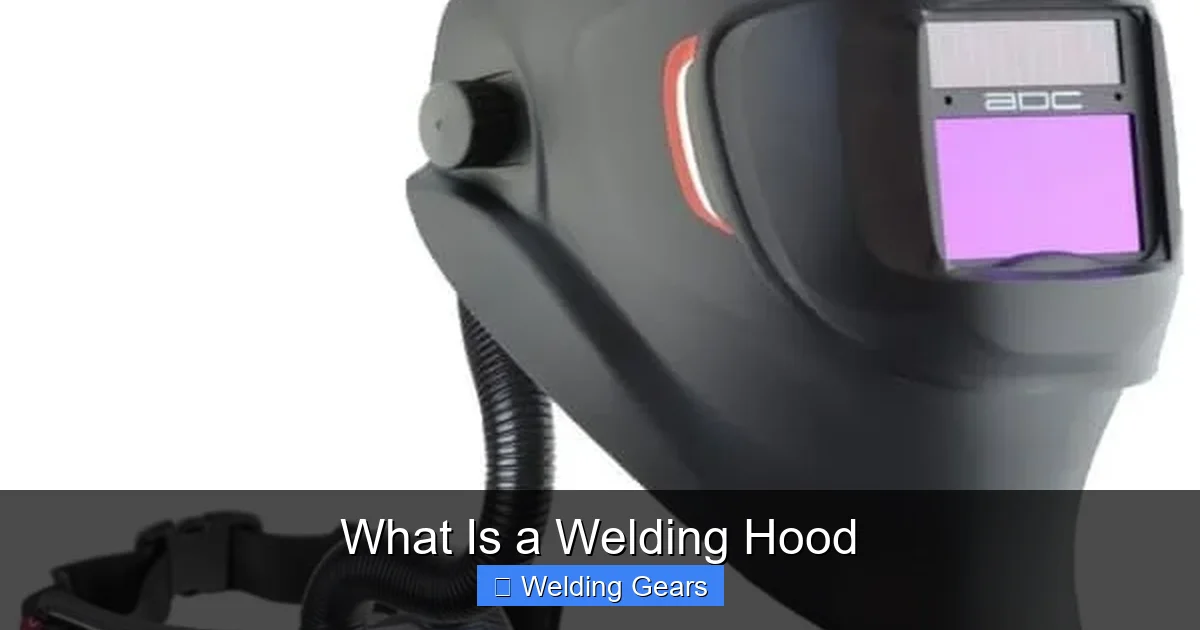
This is the heart of the hood. The lens is what protects your eyes. In older days, passive helmets had a fixed dark glass that made it hard to see until you struck an arc. Today, most professionals use auto-darkening filters (ADF). These lenses use liquid crystal displays that react to the light of the welding arc in a fraction of a millisecond. They remain clear when you aren’t welding, allowing you to position your torch or electrode perfectly before you start.
The Different Types of Welding Hoods
Not every hood is the same. Depending on your needs, you might choose a specific style. Knowing the difference helps you pick the right tool for the job. You will generally find two main categories in the shop today.
Passive Welding Hoods
Passive hoods are the classic choice. They feature a fixed-shade glass lens. Because the glass is always dark, it can be difficult to see your starting point. You have to lift the hood to align your work, then flip it down right as you strike the arc. While these are reliable and affordable, they require more practice to use effectively.
Auto-Darkening Welding Hoods
In 2026, auto-darkening hoods are the industry standard. These hoods use sensors that detect the flash of the arc and instantly darken the lens to a specific shade level. This is a game-changer for productivity. You don’t have to keep flipping your hood up and down, which saves your neck and helps you stay focused on the puddle. Most modern units also allow you to adjust the sensitivity, so you can set it to ignore ambient shop light while still picking up your arc.
Why Lens Technology Matters in 2026
If you ask an experienced pro what is a welding hood to them, they will likely talk about optics. The quality of the lens determines how well you see the puddle, which directly impacts the quality of your welds. Optical clarity is a big deal.
True Color Technology
One of the coolest advancements in recent years is “True Color” technology. Older lenses often gave the world a strange green or blue tint. This made it hard to see the true heat of the metal. True color filters allow the full spectrum of light to pass through, giving you a crystal-clear view of your work. It makes it much easier to distinguish between the slag and the molten metal, leading to cleaner, stronger welds.
Adjustable Shade and Delay
Different welding processes require different levels of darkness. A low-amp TIG weld requires a lighter shade, while high-amp MIG or flux-core welding needs a much darker shade. Modern hoods allow you to dial in your shade level perfectly. Additionally, the “delay” setting controls how long the lens stays dark after the arc stops. This is super helpful because it keeps the lens dark for a second to protect your eyes from the bright, glowing cooling metal.
Safety Standards and You
You might be tempted to buy the cheapest hood you find online, but safety is not the place to cut corners. A welding hood is your primary protection against UV radiation, which can cause “welder’s flash” or sunburn on your eyes. Always check for the ANSI Z87.1 label.
Meeting Industry Codes
ANSI Z87.1 is the safety standard for eye and face protection. If your hood doesn’t have this rating, it might not provide adequate protection against infrared and ultraviolet light. Even if it looks dark, it might not be blocking the invisible rays that do the most damage. Always prioritize your vision; it is the most important tool you have.
The Importance of Fit and Seal
Even the best lens won’t help if the shell doesn’t fit well. A good hood should provide full coverage for your face and neck. If there are gaps, stray light (arc flash) can bounce off surfaces and reach your eyes from the side. Take the time to adjust the straps on your headgear so the hood stays in place, even when you move your head quickly.
Maintenance Tips for a Long-Lasting Hood
Taking care of your hood is easy, but it requires consistency. A clean hood lasts longer and provides better visibility. Treat your gear with respect, and it will serve you for years to come.
Lens Care
The clear cover plates on your hood are sacrificial. They are meant to catch sparks and splatter, so they will get scratched over time. Swap them out regularly. A scratched lens makes your vision fuzzy, which will make you feel like your eyes are straining. A clean, fresh cover plate makes a huge difference in clarity.
Battery and Sensor Upkeep
If you use an auto-darkening hood, keep an eye on your batteries. Some models are solar-powered, but many still use coin-cell batteries as a backup. Don’t let a dead battery catch you off guard in the middle of a weld. Also, make sure the sensors on the front are kept clean. If they are covered in dust or grinding debris, they won’t trigger the lens properly.
Conclusion
So, what is a welding hood? It is your shield, your lens, and your best friend in the shop. It is the piece of equipment that allows you to master the craft of metalworking while keeping you safe from the intense energy of the arc. In 2026, with features like True Color optics and ultra-fast sensors, there has never been a better time to find a hood that fits your style and needs.
Whether you are just starting your first class or you have been welding for decades, remember that your hood is an investment in your career and your health. Take the time to learn how to adjust your gear, keep your lenses clean, and always wear your protective equipment. Happy welding!
Frequently Asked Questions
Do I need to wear safety glasses under my welding hood?
Yes, absolutely. You should always wear safety glasses under your hood to protect against debris when you are grinding, chipping slag, or if the hood is accidentally lifted.
How long do auto-darkening welding hood batteries last?
Most modern auto-darkening hoods use high-efficiency sensors and solar power, allowing batteries to last anywhere from one to three years depending on usage and storage.
What shade level should I use for MIG welding?
The standard shade for MIG welding usually ranges from 10 to 13, depending on the amperage used. Always refer to your hood’s manual for a recommended shade chart based on your specific welding process.
Can I use a welding hood for plasma cutting?
Yes, you can, but make sure your hood has a “grind” or “cut” mode. This setting prevents the lens from flickering or darkening unnecessarily during the plasma cutting process.
Why does my neck hurt after welding?
Neck pain is often caused by a poorly adjusted headgear or a hood that is too heavy for your neck muscles. Look for a lightweight hood with an adjustable, ergonomic suspension system to fix this.
What does “optical clarity” mean in welding hoods?
Optical clarity refers to how accurately the lens transmits light without distortion. A high-quality lens will have a 1/1/1/1 rating, meaning it is perfectly clear, offers a uniform shade, and has no angular dependence.