
Welding galvanized steel releases toxic zinc oxide fumes that can cause “metal fume fever,” a serious respiratory condition. Always prioritize proper ventilation and specialized personal protective equipment to protect your lungs and health when working with this common coated material.
If you have spent any time in a metal shop, you have likely encountered galvanized steel. It is everywhere—from structural beams and trailer frames to garden gates and custom fabrication projects. The reason for its popularity is simple: it is steel dipped in molten zinc to prevent rust. However, when you bring a welding torch to the party, things change quickly. Welding galvanized steel is a common task, but it is one that requires a serious understanding of physics and chemistry to do safely.
When you start welding galvanized steel, you are not just working with iron and carbon. You are introducing a reactive layer of zinc that does not like the intense heat of a welding arc. If you are a hobbyist or even a professional looking to sharpen your safety protocols in 2026, it is vital to know exactly what happens to that coating. Understanding the reaction helps you avoid the dreaded “welder’s shakes” and keeps your workspace compliant with modern safety standards.
The Science of Zinc and Welding Heat
At its core, welding galvanized steel is a race between the melting point of the steel and the vaporization point of the zinc. Steel melts at roughly 2,500 degrees Fahrenheit, while zinc starts to boil and turn into gas at just over 1,600 degrees Fahrenheit. Because the zinc coating is on the surface, it vaporizes long before your puddle is fully established.
What Happens to the Coating?
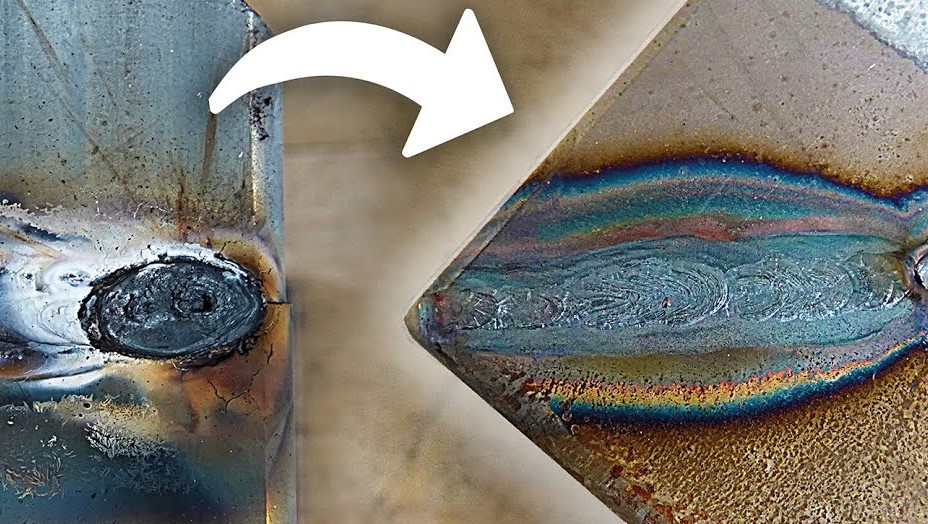
As soon as that arc strikes, the zinc coating nearest the heat source is instantly turned into a fine, white smoke. This smoke is actually zinc oxide. It is not just steam; it is a metallic dust that floats in the air and settles on everything in your shop. If you are not careful, those fumes go straight into your lungs. This process also creates porosity in the weld itself because the gas tries to escape through the molten steel, often leaving tiny pinholes or “wormholes” that can weaken the structural integrity of your joint.
The Challenge of Weld Quality
Beyond the health risks, welding galvanized steel presents a functional challenge. Zinc does not like to mix with the weld pool. If you try to weld over thick galvanizing, you will notice a lot of spatter, erratic arc behavior, and a bead that looks like it is bubbling. This happens because the gas is trapped underneath the liquid metal. If you want a clean, strong weld, you have to manage how that zinc interacts with the heat of the arc.
The Dangers of Metal Fume Fever
If you have ever talked to an old-school welder, they might have mentioned getting sick after a day of working with galvanized metal. They were likely describing metal fume fever. Even in 2026, with all our advanced safety gear, this remains a very real risk for anyone ignoring the rules of ventilation.
Symptoms You Cannot Ignore
Metal fume fever usually kicks in a few hours after you stop welding. You might start feeling a metallic taste in your mouth, followed by chills, a high fever, dry throat, and aching muscles. It feels exactly like the worst flu you have ever had. The good news is that it usually passes within 24 to 48 hours, but the bad news is that it is a sign that you have exposed your body to something toxic. Doing this repeatedly can lead to more permanent lung damage.
Protecting Your Respiratory System
To avoid this, you cannot rely on just any mask. You need a respirator that is specifically rated for welding fumes. In 2026, we have access to high-quality powered air-purifying respirators (PAPR) that make breathing easy while filtering out the fine zinc particles. If you are using a standard half-mask, ensure it has P100 filters and is properly fit-tested to your face. If you smell the metal or see the smoke hitting your face, your gear is failing you.
Best Practices for Preparing Your Metal
The smartest way to handle galvanized steel is to remove the problem before it starts. If your welding procedure allows, grind off the zinc coating in the area where you intend to place the weld. This is the gold standard for quality and safety.
Grinding and Surface Preparation
Take a flap disc or a wire wheel to the metal and clean it back about an inch from where the weld joint will be. This removes the zinc, which stops the production of toxic fumes at the source and allows you to lay down a much cleaner, stronger weld. Yes, it is extra work, but it saves your lungs and prevents the porosity that comes with burning through the coating.
What if You Cannot Grind?
Sometimes, like on complex structures or inside pipes, you cannot reach the backside to grind. In these cases, you have to use a technique that minimizes the burning of the zinc. Keep your arc tight and your travel speed consistent. Use a welding process like MIG with an appropriate shielding gas that helps stabilize the arc against the zinc gases. Be extra diligent about your ventilation when you cannot prep the surface.
Ventilation Strategies for the Modern Shop
Ventilation is your first line of defense. In 2026, many shops are moving toward “source capture” systems. These are essentially high-powered vacuums with long, flexible arms that you position right next to the weld. They suck the smoke away before it ever reaches your breathing zone.
Natural vs. Forced Air
Never rely on a simple box fan in the corner. If the fan is blowing the smoke across your body or through the shop, you are just moving the toxins around. Always position your fans so they pull the air away from your face and out of the building. If you are working in a confined space or a small garage, you must have a proper exhaust system. Welding galvanized steel without airflow in a closed space is dangerous and, in many professional settings, a violation of safety laws.
Testing Your Air Quality
For shops that handle large volumes of galvanized work, consider periodic air quality monitoring. You can hire professionals to measure the level of particulate matter in your shop. Knowing that your ventilation is actually working gives you peace of mind and proves that you are running a safe, professional workspace.
Choosing the Right Welding Gear
Welding galvanized steel changes how you should equip your shop. While your standard welder might do the job, your PPE needs to be top-tier. In 2026, there are plenty of affordable options for welders to upgrade their safety gear, and there is no excuse for using subpar protection.
PPE Must-Haves
A high-quality welding helmet is essential, but it is just the start. You need long-sleeved welding jackets made of treated leather or flame-resistant cotton to keep the zinc dust off your skin. Zinc oxide can irritate the skin and cause rashes, so keeping your arms and neck covered is vital. And again, emphasize the importance of a P100 respirator. Even if you think you have enough airflow, that respirator is your last line of defense if the wind shifts or the ventilation fails.
Chemical Protection
After you are finished welding, consider using a zinc-rich cold galvanizing spray to touch up the area you ground away. This restores the rust-preventative properties of the steel, ensuring that your weld joint does not become a weak point for corrosion later. It is a simple step that adds professional value to your project.
Conclusion: Stay Safe, Weld Smarter
Welding galvanized steel is a routine part of modern fabrication, but it demands respect. When you weld this material, you are essentially creating a small-scale chemical reaction that produces toxic gases. By understanding what happens during that process—the vaporization of zinc, the creation of smoke, and the potential for health issues—you can take the necessary steps to mitigate the risks.
Always remember: safety is not about slowing down your work; it is about making sure you are around to do that work for years to come. Clean your material, use proper exhaust ventilation, and wear the right respiratory protection. If you take these steps seriously, you can work with galvanized steel effectively and safely, producing high-quality welds without sacrificing your health.
Frequently Asked Questions
Is it safe to weld galvanized steel indoors?
It is only safe if you have excellent local exhaust ventilation that removes fumes directly at the source. Without professional-grade extraction, the smoke will quickly accumulate in your breathing zone, which is very dangerous.
How can I tell if I have metal fume fever?
Symptoms typically appear a few hours after exposure and include a metallic taste in the mouth, high fever, chills, and muscle aches. If you experience these after welding, you should move to fresh air and monitor your health, as the symptoms usually subside within two days.
Does grinding off the coating solve the safety issue?
Grinding removes the vast majority of the zinc coating, significantly reducing the amount of toxic fumes produced during welding. However, you should still wear a respirator and use ventilation because trace amounts of zinc will likely remain on the steel.
What kind of mask do I need for welding galvanized metal?
You need a respirator with P100-rated filters, which are designed to capture fine metallic particles like zinc oxide. A standard N95 mask is not sufficient to protect you from the toxic fumes produced during this type of welding.
Can I use the same welding technique as I do for mild steel?
You can use similar techniques, but you may need to adjust your settings to handle the gas created by the zinc. Expect more spatter and potentially more porosity, so you may need to slow down your travel speed to allow gases to escape the puddle.
Does galvanized steel weld as strongly as regular steel?
If you remove the coating before welding and use the correct filler material, you can achieve a bond that is just as strong as regular steel. If you weld directly over the coating, the entrapped gas can cause porosity, which significantly weakens the weld.