
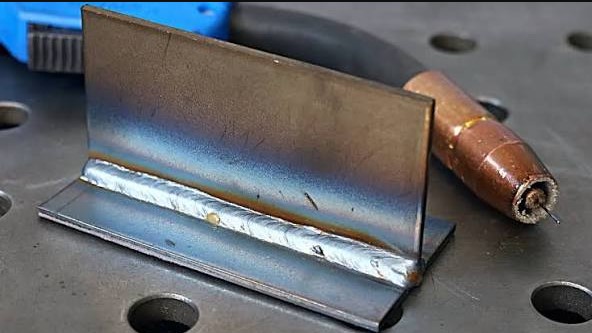
MIG welding, or Metal Inert Gas welding, is a popular wire-fed process where an electric arc melts a consumable wire into a joint. It is widely considered the easiest method to learn, making it the perfect starting point for DIY enthusiasts and professional fabricators alike.
If you have ever spent time wandering around a fabrication shop or watching DIY car restoration videos online, you have likely seen a bright, sizzling arc of light joining two pieces of metal together. That process is almost certainly a MIG weld. In the world of metalworking, the question of what is a mig weld is the first thing every apprentice asks. It is the gold standard for versatility, speed, and ease of use in the year 2026.
Think of MIG welding like using a hot glue gun, but for metal. Instead of a glue stick, you are feeding a thin metal wire through a nozzle. Instead of a glue heater, you are using high-voltage electricity to create a hot arc that melts the wire into the base metal. It is clean, it is fast, and it is the most popular way to join metal in modern home garages and professional factories alike.
Key Takeaways
- Efficiency: MIG welding uses a continuous wire feed, which means you spend less time stopping and starting compared to other methods.
- Ease of Use: With a shorter learning curve, most beginners can produce clean mig weld beads within a few hours of practice.
- Versatility: It works on a variety of metals, including steel, stainless steel, and aluminum, making it ideal for diverse projects.
- Cleanliness: Because it uses a shielding gas to protect the weld, there is very little slag to clean up afterward.
- Equipment Essentials: A successful setup requires a power source, a wire feeder, a shielding gas tank, and a high-quality welding gun.
- Safety First: Protecting your eyes and skin is mandatory due to the intense UV light and sparks generated during the process.
The Basics of How MIG Welding Works
At its core, a mig weld is defined by the acronym MIG, which stands for Metal Inert Gas. While we technically call it Gas Metal Arc Welding (GMAW) in engineering textbooks, the name MIG has stuck because it describes the process so well. You are using a metal wire electrode and an inert gas to shield the weld pool from the atmosphere.
The Role of the Wire
The wire acts as both the electrode, which carries the electricity to create the arc, and the filler material, which fills the gap between the two pieces of metal. As you pull the trigger on the welding gun, the machine feeds the wire out at a steady speed. This constant feed is what makes the process so smooth and allows you to keep the arc steady for long, consistent beads.
The Shielding Gas Purpose
You might wonder why we need gas. When metal gets hot, it reacts with the oxygen and nitrogen in the air, which can make the weld brittle or porous. The shielding gas usually a mix of argon and carbon dioxide flows out of the nozzle to create a bubble of clean air around the arc. This keeps the weld pure and strong. If you forget to turn your gas on, you will immediately notice the weld looking like a sponge!
Essential Gear You Need to Get Started
In 2026, technology has made equipment more compact and affordable than ever. If you want to master the mig weld, you do not need a massive industrial unit. Most people start with a 120-volt or 240-volt machine that can plug into a standard shop outlet. Here is what you need in your kit.
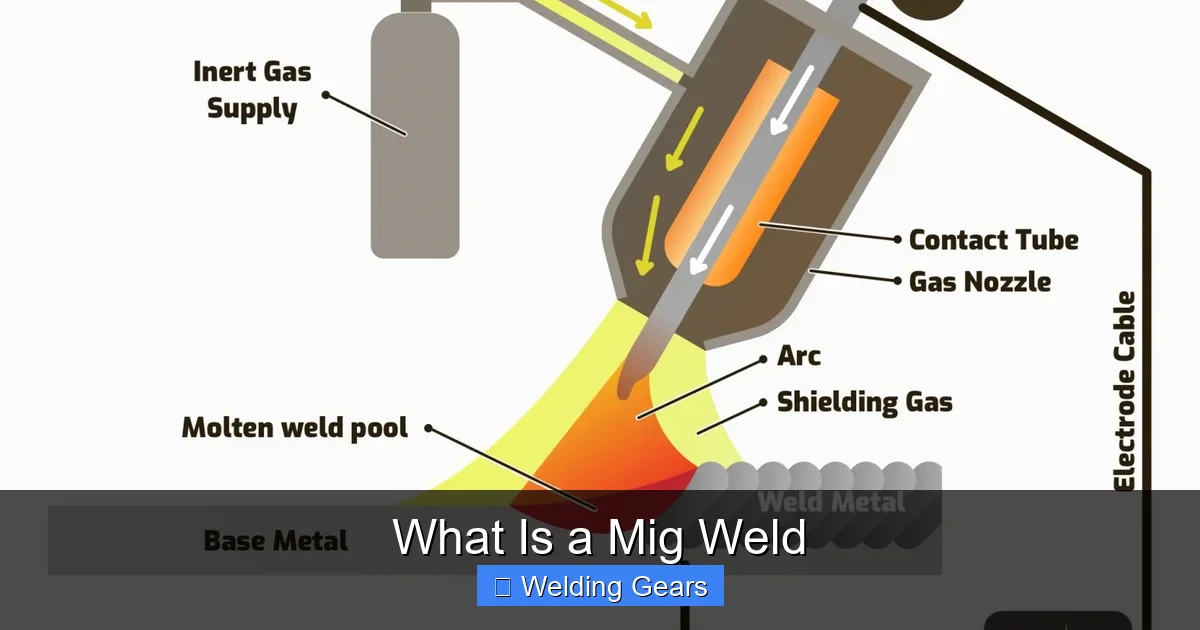
Visual guide about What Is a Mig Weld
Image source: weldguru.com
The Power Source and Feeder
Your welder is the heart of your setup. It controls two main things: the voltage (how hot the arc is) and the wire speed (how much metal you are depositing). A good rule of thumb for beginners is to start with a machine that has a simple “synergic” feature. This means the machine automatically suggests the best settings for the thickness of the metal you are working on.
The Welding Gun and Ground Clamp
The gun is the part you hold in your hand. It connects to the welder via a flexible cable. You also have a ground clamp, which must be attached to your workpiece. If you do not have a solid electrical connection to the metal, the arc will not strike, and you will just get a messy bird’s nest of wire.
Common Applications for MIG Welding
So, what is a mig weld actually used for? Because the process is so flexible, it is used everywhere. From fixing a rusted-out floor pan on a 1960s classic car to building heavy-duty steel racks for your garage, there is almost no project that a mig weld cannot handle.
Automotive Repair
Car enthusiasts love MIG welding because it works well on thin sheet metal. By using a low voltage setting and thin wire, you can weld body panels without burning through the metal. It is the secret behind those perfectly restored vintage trucks you see at car shows.
Farm and Home Repairs
If you have a broken garden gate, a loose chair leg, or a damaged piece of farm equipment, a mig weld is the fastest way to fix it. Because you can weld in almost any position—even vertical or overhead once you get the hang of it—you do not always have to take the project apart to fix it.
Tips for Perfecting Your First Weld
Even if you know what is a mig weld, the first time you pull the trigger, the results might look a bit like a pile of bird droppings. That is completely normal! Every pro started exactly where you are. Here are a few professional tips to improve your consistency.
Watch Your Angle
Keep your gun at a slight angle—usually about 15 degrees. If you push the gun forward (push technique), the weld will be flatter and wider. If you pull the gun backward (drag technique), you will get deeper penetration into the metal. Most beginners find the drag technique easier to control because you can see the weld pool more clearly as you go.
Cleanliness Is Next to Godliness
This is the most important rule: grind your metal clean before you weld. If there is paint, rust, or oil on the surface, your mig weld will pop and splatter. Take a wire brush or an angle grinder to the joint until you see shiny, bare metal. You will notice a huge difference in the quality of your bead immediately.
Safety Requirements for the Modern Welder
Never underestimate the power of the arc. Even though MIG welding is accessible, it is still dealing with intense electricity and ultraviolet light. In 2026, we have access to auto-darkening helmets that make safety easier and more comfortable than ever before.
Protecting Your Eyes and Skin
The light from a weld can cause “welder’s flash,” which is like a sunburn on your eyeballs. It is very painful. Always wear an auto-darkening helmet that is rated for your current settings. Additionally, wear long sleeves, leather gloves, and cotton clothes. Synthetic fabrics can melt onto your skin if a stray spark hits them, so stick to denim or flame-resistant cotton.
Ventilation
When you melt metal, you create fumes. Even with shielding gas, you should always work in a well-ventilated area. If you are welding in a closed garage, open the door or use a fan to push the air away from your face. Your long-term health is worth the extra effort.
Why 2026 Is the Best Time to Learn
We are currently living in a golden age for hobbyist metalworking. In the past, learning what is a mig weld meant finding a mentor or signing up for expensive trade school classes. Today, you have access to high-quality tutorials, digital welding simulators, and affordable machines that give you professional results.
Digital Learning Resources
There are countless communities online where you can post photos of your welds and get feedback from masters. You can learn the secrets of wire stick-out, gas flow rates, and travel speeds from the comfort of your home. Use these resources to troubleshoot your issues; if you are constantly burning through thin metal, chances are someone else has already solved that exact problem online.
Advancements in Equipment
Modern machines are smaller, lighter, and smarter. Many now use “inverter” technology, which makes the arc more stable and the machine lighter to carry. You can get a high-quality MIG welder today for a fraction of what they cost a decade ago, making it an excellent time to invest in your skills.
In conclusion, a mig weld is one of the most useful skills you can develop. It bridges the gap between seeing a problem and fixing it permanently. By understanding how the wire feed, the gas, and the electrical current work together, you take the mystery out of the process.
Remember, the best welder is the one who practices the most. Start by cleaning your metal, get comfortable with your settings, and do not be afraid to lay down a bad bead every scrap piece of metal you weld is a lesson learned. Grab your helmet, set your machine, and start creating something strong.
Frequently Asked Questions
Is MIG welding difficult to learn?
MIG welding is widely considered the easiest process to learn for beginners. Because the machine handles the wire feed automatically, you only need to focus on your travel speed and gun angle to get good results.
Do I need shielding gas for all MIG welds?
Most standard MIG welding requires shielding gas to protect the weld. However, you can use “flux-cored” wire, which contains a shielding agent inside the wire itself, allowing you to weld without an external gas tank.
Can I use MIG welding on aluminum?
Yes, you can weld aluminum with a MIG welder, but it requires specific equipment like a spool gun to handle the soft aluminum wire. It also requires pure argon gas instead of the standard gas mixture used for steel.
How thick of metal can a MIG welder handle?
This depends entirely on the power output of your specific machine. Most home-use MIG welders can comfortably handle metal thickness from thin sheet metal up to about 1/4 inch thick in a single pass.
What is the most common mistake for beginners?
The most common mistake is failing to clean the base metal properly before welding. Rust, paint, and oil contaminate the weld pool, leading to weak joints and significant splatter.
Is it safe to weld indoors?
You can weld indoors, but you must ensure the area is well-ventilated to prevent the buildup of welding fumes. Always wear proper protective gear, including a helmet, long sleeves, and gloves, to shield against sparks and UV light.