
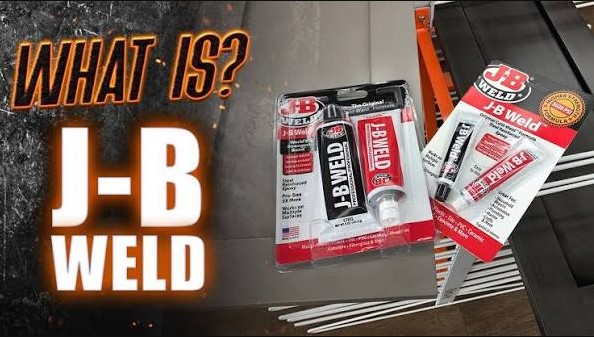
JB Weld is a two-part cold-weld epoxy system designed to bond, seal, and repair metal and other materials without the need for traditional heat-based welding. By mixing a resin and a hardener, users create a chemical reaction that cures into a rock-hard, permanent structure, making it an essential tool for DIY mechanics and homeowners alike.
If you have ever spent time in a garage or worked on a home project, you have likely heard the name whispered with a sense of reverence: JB Weld. But what is a JB Weld, really? It is often called liquid metal, a miracle glue, or a mechanic’s best friend. In the world of repair, it holds a legendary status for its ability to save expensive equipment from the scrap heap.
By 2026, the technology behind cold-weld epoxies has become more refined than ever. Whether you are dealing with a cracked engine block, a broken garden chair, or a leaking pipe, understanding what is a JB Weld allows you to fix things yourself. It is not just about gluing things together; it is about creating a structural bond that can withstand pressure, temperature changes, and vibration. Let’s dive into what makes this material so special and how you can use it in your next project.
Key Takeaways
- No Heat Required: JB Weld is a cold-weld solution, meaning it bonds materials together without the need for an expensive welding torch or electricity.
- Chemical Bond: It works by mixing two components—a resin and a hardener—that undergo a chemical reaction to create a durable, metal-like finish.
- Versatile Applications: Beyond just metal, it can bond plastics, ceramics, wood, and concrete, making it incredibly useful for household and automotive fixes.
- High Thermal Resistance: Many JB Weld products are formulated to withstand extreme heat, allowing for repairs on engine blocks and exhaust systems.
- Drillable and Paintable: Once fully cured, the material can be sanded, drilled, tapped, or painted to match the surrounding surface seamlessly.
- Cost-Effective Repair: It offers a budget-friendly alternative to professional welding or replacing broken parts entirely.
Understanding the Science of JB Weld
At its core, JB Weld is a two-part epoxy system. If you want to grasp what is a JB Weld from a technical perspective, think of it as a chemical engineering marvel in a tube. One tube contains the epoxy resin, while the other contains the hardener. When kept separate, they stay shelf-stable. When you mix them together, the chemistry changes completely.
The Chemical Reaction
Once the two components are combined, a cross-linking polymerization process begins. This process turns the mixture from a paste into a dense, solid material. Unlike super glues that rely on surface adhesion, JB Weld creates a physical bond that is incredibly dense. This density is why it can be drilled, filed, and tapped just like solid steel. It does not shrink significantly during the drying process, which is critical for structural integrity.
Cold Welding vs. Hot Welding
Traditional welding requires high heat to melt metal and fuse pieces together. While traditional welding is superior for load-bearing structural steel, it is not always possible or safe. Cold welding with JB Weld provides a way to fill gaps, bridge cracks, and join materials where a torch might melt the surrounding components or pose a fire risk. This is exactly why it is such a popular choice for automotive and plumbing repairs.
The Different Types of JB Weld Products
You might ask, what is a JB Weld product best suited for my specific job? The brand has expanded significantly over the years. Understanding the differences is key to a successful repair.
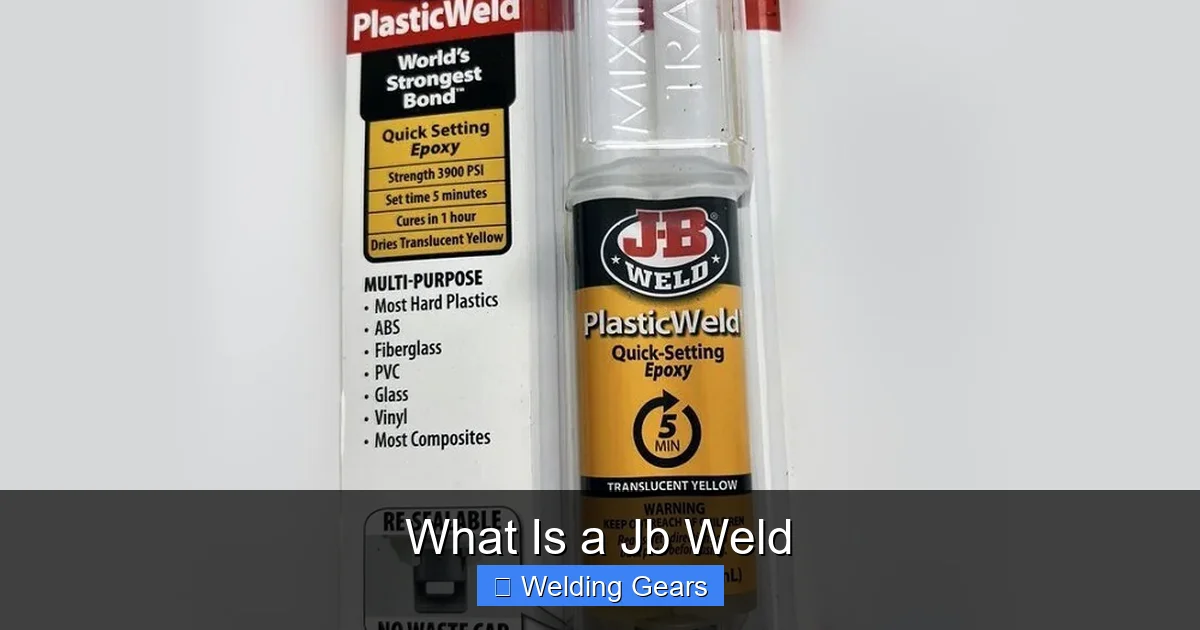
The Original Cold-Weld Formula
The Original formula is the gold standard. It is known for its incredible strength and long cure time. Because it takes longer to set, you have more time to shape it, but you will need to wait longer before you can put the item back into service. It is perfect for heavy-duty metal projects where maximum strength is the primary goal.
Fast-Setting and Specialized Options
If you are in a hurry, the “Kwik” versions are excellent. They offer a much faster setting time, often allowing you to touch or move the part in minutes. There are also specialized formulas for high heat, plastic bonding, and underwater sealing. Identifying the right formula is the first step in answering the question, what is a JB Weld application going to look like for my repair?
Practical Applications for JB Weld
The versatility of this product is truly staggering. Because it adheres to such a wide range of surfaces, you will find uses for it in almost every room of your house and every part of your car.
Automotive Engine Repairs
Automobiles remain the most common use case. If you have a radiator leak, a cracked engine casing, or a damaged intake manifold, JB Weld can often seal the breach permanently. Because it is resistant to oil, gasoline, and antifreeze, it stands up to the harsh environment inside an engine bay.
Household and Plumbing Fixes
Have you ever had a pipe start dripping at the worst possible time? JB Weld is a reliable temporary or semi-permanent solution for plumbing issues. It can bridge holes in metal pipes and seal connections that have become brittle with age. Always remember to clean the surface thoroughly before applying it, as oil or grime will prevent a proper bond.
How to Use JB Weld Like a Professional
Even the strongest adhesive will fail if the surface is not prepared correctly. To get the most out of your purchase, follow these steps to ensure a long-lasting bond.
Surface Preparation is Everything
The secret to success is cleaning. Use a degreaser or alcohol to remove any oils from the repair site. If the surface is smooth, use sandpaper to rough it up. This creates “teeth” for the epoxy to grab onto, which significantly increases the shear strength of the repair.
The Mixing Ratio
When you ask, what is a JB Weld mixing ratio, the answer is usually one-to-one. Use a clean surface—a piece of cardboard or a scrap of plastic to mix equal parts. Stir them thoroughly until the color is completely uniform. If it is streaky, the reaction will not be consistent, and the bond will be weak.
Safety and Storage Tips
While JB Weld is generally safe to use, it is still a chemical product. Always work in a well-ventilated area to avoid breathing in fumes during the curing process. Wear gloves to keep the epoxy off your skin, as it is notoriously difficult to wash off once it begins to set.
Maintaining Your Tubes
To make sure your JB Weld lasts for years, wipe the nozzle clean after every use. Close the caps tightly. Some users find that putting a small amount of petroleum jelly on the threads of the caps helps prevent them from becoming permanently stuck to the tube. Store the tubes in a cool, dry place away from direct sunlight.
Conclusion: The Value of a Versatile Repair Tool
By now, you should have a very clear answer to the question, what is a JB Weld? It is more than just an epoxy; it is a reliable, high-performance tool that empowers DIY enthusiasts to perform professional-grade repairs. Whether you are fixing a vintage car engine or stopping a leak in your basement, it provides a cost-effective and durable solution.
In 2026, as we lean more into the “repair culture” to save money and reduce waste, products like JB Weld are more important than ever. They remind us that not every broken item needs to be thrown away. With a little bit of patience, some prep work, and the right formula, you can extend the life of your equipment significantly. Next time you face a break, think twice before reaching for the trash can reach for the JB Weld instead.
Frequently Asked Questions
Is JB Weld stronger than traditional welding?
JB Weld is incredibly strong, but it is not a direct replacement for structural welding on heavy-load bearing steel. While it can handle impressive pressure and heat, traditional welding fuses metal at a molecular level that JB Weld cannot replicate for structural chassis support.
Does JB Weld work on plastic?
Yes, but you should choose the specific “Plastic Bonder” formula for the best results. Standard metal-based JB Weld may not adhere properly to all types of plastics, especially oily ones like polyethylene.
How long does JB Weld take to cure?
Cure times vary by product, with fast-setting versions taking about 4-6 hours to set and 24 hours for a full cure. The original formula often requires up to 24 hours to reach full strength, so it is best to leave it undisturbed for a full day.
Can I use JB Weld on something that gets very hot?
Yes, many JB Weld products are heat-resistant up to 500 or 550 degrees Fahrenheit. Check the specific packaging to ensure your chosen formula is rated for the temperatures your project will reach.
Is it possible to remove JB Weld once it has cured?
Once cured, it is very difficult to remove because it becomes a hard, plastic-like substance. You generally have to use mechanical means like grinding, sanding, or filing to remove it from a surface.
Can I paint over JB Weld?
Absolutely! Once the material is fully cured, it acts like a solid surface that can be sanded smooth and painted to match the rest of your project perfectly. This makes it ideal for cosmetic repairs on machinery or appliances.