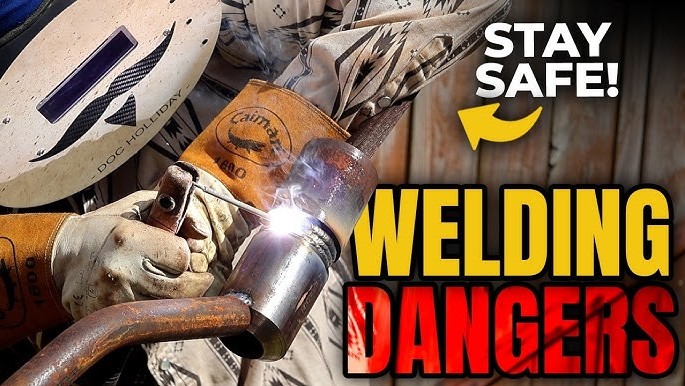
The most common welding accident is arc flash, also known as welder’s flash, which occurs when the eyes are exposed to intense ultraviolet radiation. While injuries can range from minor skin burns to severe eye damage, proper welding gear and consistent safety protocols can keep you protected on the job.
If you have spent any time in a shop, you know the hum of the machine and the bright glow of the arc are parts of daily life. Welding is a craft that turns raw metal into structures that hold up our world. But, as any experienced pro will tell you, it comes with risks.
If you are asking yourself, what is most common welding accident, you are already on the right track toward staying safe. Being aware of the dangers is the first step in avoiding them. In 2026, the technology in our gear has improved significantly, yet human error remains the leading cause of incidents.
Whether you are a hobbyist in your garage or a certified professional on a high-rise construction site, the same physics apply. The arc produces intense light, extreme heat, and fumes. When we lose focus or ignore our gear, accidents happen. Let’s look at how to keep you safe and productive.
Key Takeaways
- Arc Flash Risks: UV exposure is the most frequent welding-related injury, causing painful inflammation of the cornea.
- Proper PPE Matters: Wearing auto-darkening helmets and fire-resistant clothing is non-negotiable for modern welders.
- Fire Prevention: Sparks fly further than you think; always clear your workspace of flammable materials before starting.
- Fume Safety: Respiratory protection is critical in 2026 to prevent long-term health issues from toxic welding gases.
- Ergonomics Count: Repetitive strain and posture-related issues are common “silent” accidents that lead to career-ending injuries.
- Stay Alert: Most accidents happen when a welder gets too comfortable and skips a simple step like checking ground clamps.
The Number One Danger: Arc Flash
The most common welding accident is, without a doubt, arc flash. Think of it as a severe sunburn, but for your eyes. When you strike an arc, it emits a powerful burst of ultraviolet (UV) and infrared radiation. If your skin or eyes aren’t covered, the results are painful and immediate.
What Exactly Happens During Arc Flash?
Arc flash occurs when your eyes are exposed to the intense light of the welding arc for even a split second. Even if you aren’t looking directly at it, the reflection off a shiny surface can catch your eyes.
The cornea becomes inflamed, which is often described as feeling like you have sand in your eyes. It is incredibly uncomfortable, and it can take days to recover. In 2026, we have access to high-quality auto-darkening helmets that make this much easier to prevent, provided you wear them consistently.
How to Prevent Eye Damage
The fix is simple: always use your gear. Your helmet should have the correct shade rating for the amperage you are using. If you are doing heavy-duty welding, make sure your hood is down before you strike the arc. Also, consider the people working around you. If you are welding in an open area, use welding screens. They stop the stray light from hitting a coworker who might not be wearing a mask.
Thermal Burns: The Everyday Hazard
Beyond the eyes, the skin takes a beating in the welding world. Thermal burns are the second most common welding accident. These can happen from contact with hot metal, flying sparks, or molten splatter. Since metal stays hot for a long time after the arc goes out, it is easy to forget and reach for a piece you just worked on.
Protecting Your Skin
In 2026, welding gear has become more breathable, which is a game-changer. You no longer have an excuse to skip your fire-resistant (FR) jacket. Look for materials that offer protection against sparks but still allow for airflow. Leather sleeves are a classic choice, and they still work better than anything else for shielding your arms from those tiny, flying beads of molten steel.
Managing the Heat
Always treat a piece of metal as if it is hot. Mark your “hot” items with a soapstone or a tag so you don’t accidentally grab them. If you are working in tight spaces, your risk of burns increases because you have less room to move away from spatter. Take an extra second to arrange your workspace so your leads and your body are clear of the immediate arc zone.
Fumes and Respiratory Health
While arc flash is the most common welding accident in terms of immediate pain, fume inhalation is a dangerous, silent issue. Welding creates a cocktail of gases and particles that can be harmful if you breathe them in all day. In 2026, there is a much greater focus on air quality in the shop than there was in the past.
Understanding Welding Fumes
Depending on the metal you are welding, you might be creating fumes containing chromium, nickel, or manganese. Over time, breathing these in causes serious respiratory trouble. Many welders assume that if the shop looks clear, the air is clean. That is not always the case. Some of the most dangerous particles are invisible.
Best Practices for Better Air
The best way to stay safe is ventilation. If you are indoors, use a localized fume extractor. These arms sit right next to the arc and pull the smoke away before it reaches your face. If you are doing a lot of heavy welding, look into a Powered Air Purifying Respirator (PAPR) helmet. These units provide a constant stream of filtered air inside your mask, which keeps you safe and keeps you cooler during long shifts.
Fire Hazards and Workspace Safety
You might think of a welding accident as something happening to your body, but what about the shop around you? Fires caused by sparks are a major concern. A single stray spark can land in a pile of rags, oil, or paper and start a fire that burns the building down while you aren’t even looking.
Clearing the Zone
Before you weld, look around. Is there anything flammable nearby? A 35-foot radius is the standard recommendation for clearing out combustible materials. If you cannot move the object, use a fire-resistant blanket to cover it. Always keep a fire extinguisher within arm’s reach. You don’t want to be running across the shop to find one when a small spark turns into a blaze.
Electrical Safety
Welding machines are powerful tools. Always check your leads and cables for damage. If the insulation is frayed or wires are showing, you are at risk for an electrical shock. This is especially true if you are welding in wet or damp conditions. Never stand in a puddle while welding, and keep your cables dry. Electricity wants to find the easiest path to the ground; don’t let that path be through you.
The Silent Threat: Ergonomics and Long-Term Strain
When discussing what is most common welding accident, we often forget about the body itself. Welding is physically demanding. You are often twisted into awkward positions to reach a joint, or you are holding a heavy torch steady for minutes at a time. Repetitive strain and back injuries are massive issues that can end a career prematurely.
Setting Up Your Workspace
Try to bring the work to you, rather than going to the work. Use a positioner or a turntable if possible. If you have to weld in a crouched position, use a stool. The more comfortable you are, the more stable your hand will be, and the better your welds will look. It is a win-win situation.
Stretching and Recovery
Treat yourself like an athlete. Before you start a shift, take five minutes to stretch your shoulders, back, and wrists. If you feel a sharp pain or persistent soreness, don’t just ignore it. Adjust your setup to reduce the load on your joints. Long-term health is just as important as avoiding immediate flash or burn injuries.
Staying Safe in 2026 and Beyond
Safety technology is moving fast. Today’s welding gear is smarter, lighter, and more protective than ever. But gear is only as good as the person using it. You have to be intentional about your safety. Don’t get lazy just because you’ve done the same task a thousand times without an accident.
Building a Safety Culture
Whether you work alone or with a team, make safety a ritual. Check your helmet lens. Check your ground clamp. Check your ventilation. When these become automatic habits, you drastically reduce your chances of being involved in the most common welding accident.
If you see a younger welder skipping a step, speak up. A friendly reminder could be the difference between a productive day and a trip to the emergency room. Welding is a rewarding skill, and it is a vital part of the world we live in.
By respecting the arc and keeping your gear in top shape, you ensure that you can continue welding for years to come. Remember, the best welder isn’t just the one with the cleanest beads; it’s the one who goes home at the end of the day just as healthy as when they started.
Conclusion
To summarize, the answer to “what is most common welding accident” is arc flash, but the dangers don’t stop there. Thermal burns, respiratory issues, fire hazards, and physical strain are all part of the job description. By wearing the right gear, maintaining a clean workspace, and staying mindful of your posture, you can manage these risks effectively.
Stay vigilant, invest in quality equipment, and never let your guard down when the arc is lit. Your health is the most important tool you have. Keep it protected, keep your head in the game, and keep building great things.
Frequently Asked Questions
What should I do if I get arc flash?
If you experience arc flash, move away from any bright light and rest your eyes in a dark room. You can use cold compresses to help with the pain, and it is usually best to see a doctor to ensure there is no lasting damage to your cornea.
How often should I replace my welding helmet lens?
You should replace your lens as soon as you notice any scratches, cracks, or pits. In 2026, high-quality filters have a long life, but even small surface damage can affect the protection your eyes receive.
Is it okay to weld in wet conditions?
No, you should never weld in wet or damp conditions because it significantly increases the risk of dangerous electrical shock. Always ensure your workspace is dry and your equipment is properly insulated before starting.
What is the most important piece of PPE?
While every piece of gear is important, your welding helmet is the most critical because it prevents the most common injury: arc flash. Always ensure your helmet is rated for the type of welding you are performing.
How do I know if my ventilation is adequate?
If you can see smoke hanging in the air or if you can smell a strong metallic odor, your ventilation is not sufficient. You should use local exhaust hoods or, if in tight spaces, a respirator to protect your lungs.
Can I wear synthetic clothing while welding?
You should avoid synthetic materials like polyester or nylon because they can melt to your skin if sparks land on them. Always opt for natural fibers like heavy cotton or treated fire-resistant materials to keep yourself safe.