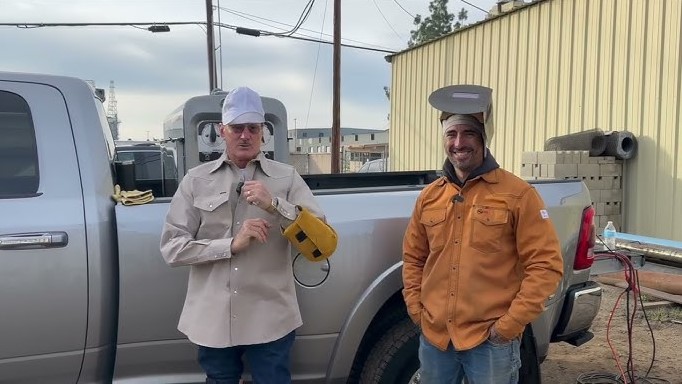
Welding safety begins with your clothing. In 2026, the industry standard mandates that clothes worn during welding must be made of flame-resistant natural fibers, such as heavy-duty cotton or treated leather, to prevent ignition and severe burns. Avoiding synthetic fabrics is crucial, as they melt onto the skin, creating permanent injury hazards.
If you are picking up a welding torch for the first time, or if you are a veteran pro looking to upgrade your gear in 2026, there is one question that literally stands between you and a trip to the emergency room: what material should clothes worn during welding be made of? It is not just about fashion or looking the part in the shop. It is about protecting your body from intense UV radiation, molten metal, and searing heat.
Many beginners make the mistake of thinking that any old pair of jeans or a flannel shirt will do the trick. While these might keep the sun off your back at a picnic, they are dangerous in a welding environment. Understanding the science of fabrics will keep you safe, comfortable, and ready to focus on those perfect beads. Let’s dive deep into the essential materials for your welding wardrobe.
Key Takeaways
- Natural Fibers Rule: Always choose 100% cotton or wool because they do not melt like polyester or nylon.
- Leather is King: For high-heat processes like MIG or stick welding, leather welding jackets provide the best protection against slag and UV rays.
- Avoid Synthetics: Never wear clothes worn during welding that contain polyester, spandex, or rayon, as these materials melt instantly upon contact with sparks.
- Proper Fit Matters: Clothing should be loose enough to be comfortable but tight enough at the cuffs and collar to prevent sparks from falling inside.
- Keep it Clean: Oil, grease, or solvent-soaked fabrics are highly flammable and should be replaced immediately, regardless of the material type.
- Layering Strategy: In 2026, professional welders often use a moisture-wicking, flame-resistant base layer under a heavy leather jacket for maximum thermal protection.
The Golden Rule: Natural Fibers Over Synthetics
When you are considering what material should clothes worn during welding be made of, the first thing you need to know is that nature is your best friend. In the world of welding, heat is everywhere. Sparks, spatter, and infrared radiation are constant threats. Natural fibers like cotton and wool are the gold standard for welding apparel.
Why Cotton Is Your Best Ally
Heavy-duty, tightly woven cotton is a staple in every welding shop. Why? Because when a stray spark hits cotton, it might singe or burn, but it does not melt. A hole might appear, but the fabric stays intact enough to protect the skin underneath. In 2026, many manufacturers offer “flame-resistant” treated cotton, which adds an extra chemical barrier to stop the fabric from catching fire entirely.
The Danger of Synthetic Fabrics
If you take only one thing away from this guide, let it be this: stay away from polyester, nylon, and spandex. These are plastics. When a spark lands on a polyester shirt, it doesn’t just burn; it melts. This molten plastic can fuse directly to your skin, turning a minor workplace annoyance into a serious medical emergency. Even shirts that claim to be “athletic wear” with moisture-wicking technology are usually packed with synthetics that are hazardous around an arc.
Leather: The Professional’s Choice
When you start doing more heavy-duty work think stick welding or heavy MIG welding cotton might not be enough. This is where leather enters the scene. Leather is the heavyweight champion of welding protection. It provides a durable, heat-resistant shield that is incredibly hard to penetrate.
Why Leather Jackets Work
Leather is naturally thick and carbon-rich, which makes it very difficult to ignite. It provides excellent insulation against the intense heat generated by a welding arc. Furthermore, it protects your skin from the harsh UV light that can cause skin damage, acting like a long-term sunscreen for the welder.
Handling the Weight
Some people find leather to be heavy or warm, especially during the humid summer months of 2026. However, safety technology has evolved. Today, you can find split-cowhide sleeves that attach to your leather jacket, allowing you to get the heavy-duty protection where you need it most (your arms) while having a slightly lighter vest section. It is all about balance.
The Importance of Fit and Coverage
It is not just about what material clothes worn during welding should be made of; it is also about how those clothes sit on your body. You could be wearing the best leather jacket on the market, but if it is designed poorly, sparks will find a way in.
Avoid Cuffs and Pockets
Sparks love to hide in pockets and rolled-up cuffs. Always make sure your pants are straight-legged—no cuffs allowed. Keep your pockets tucked in or covered. A spark falling into an open pocket is a common cause of minor burns that could easily have been avoided with a simple pat-down of your gear before you strike an arc.
The Collar Check
Make sure your collar is buttoned up. A common mistake is leaving the neck area exposed. Many welding jackets in 2026 feature high, Velcro-sealed collars specifically designed to close that gap. Keeping the neck covered prevents stray sparks from sliding down your shirt, which can cause you to jump and potentially ruin a good weld.
Layering Strategies for the Modern Welder
Professional welders in 2026 often use a layered approach to stay safe and comfortable. This is a smart way to manage heat and protection at the same time.
The Base Layer
Start with a moisture-wicking, 100% cotton base layer. While some synthetic materials are marketed as moisture-wicking, you must verify that your base layer is made of natural fibers if you are working in a shop environment. This layer keeps you cool and absorbs sweat, which prevents that uncomfortable feeling of damp skin under a heavy jacket.
The Outer Shell
Over your base layer, wear your primary protective gear. This could be a flame-resistant cotton welding jacket or a full leather apron depending on the job. By layering, you ensure that even if the outer layer gets hot, you have a second layer of defense protecting your skin.
Caring for Your Welding Gear
Knowing what material should clothes worn during welding be made of is only half the battle. You also need to maintain that gear. A dirty jacket is a dangerous jacket.
Grease and Oil Hazards
Never wear clothing that has been exposed to grease, oil, or flammable solvents. These materials can soak into the fibers and make your clothing act like a wick for a fire. If your jacket gets covered in hydraulic oil, it is time to retire it. Cleaning should be done according to the manufacturer’s instructions—do not use strong bleach, as it can weaken the flame-resistant properties of treated fabrics.
Checking for Wear and Tear
Every month, give your gear a quick inspection. Are there large holes? Is the leather thinning in the elbow area? If your gear is worn out, it is no longer doing its job. In 2026, high-quality gear is an investment in your career, so do not hesitate to replace it when the safety integrity is compromised.
Conclusion
So, what material should clothes worn during welding be made of? The answer is simple: natural, heavy-duty fabrics like cotton, wool, and leather. By avoiding dangerous synthetic plastics and focusing on durable, fire-resistant natural materials, you protect your body from one of the most demanding work environments imaginable.
Safety is not a one-time decision; it is a habit. From checking your pockets for cuffs to choosing the right jacket for the job, every detail contributes to a safer, more productive welding experience. Stay cool, stay protected, and keep burning those rods with confidence.
Frequently Asked Questions
Can I wear denim jeans while welding?
Yes, heavy-duty 100% cotton denim jeans are generally acceptable for welding as long as they are not pre-distressed with holes and have no cuffs. Ensure they are clean and free of oil or grease to avoid fire hazards.
Are flame-resistant (FR) synthetic blends safe?
Only if they are specifically engineered and rated for welding, such as certain modacrylic blends. Generally, it is safer for most welders to stick to 100% natural fibers like cotton or leather to avoid any risk of melting.
How often should I replace my welding jacket?
You should replace your jacket as soon as you notice large holes, significant thinning of the material, or if the fabric becomes contaminated with oils. Proper maintenance and regular inspections will tell you exactly when the material has reached the end of its protective life.
Why do my clothes smell after welding?
The smell is usually a result of ozone, metal fumes, and the singeing of fabric fibers. If the smell is very strong or you notice melting, you are likely wearing the wrong material or need to improve your shop ventilation.
Is leather better than cotton for all welding?
Leather is superior for heavy-duty protection, such as stick or MIG welding where spatter is frequent. Cotton is often preferred for TIG welding because it is lighter and allows for better dexterity, provided the heat levels are low.
What should I do if my clothes catch fire?
Immediately stop welding and extinguish the flames using a fire blanket or by smothering the fire. Do not run, as the oxygen will feed the flames, and seek medical attention if you suspect you have any burns under your clothing.