Finding a reliable place to get something welded doesn’t have to be a stressful chore. Whether you have a broken chair, a custom automotive project, or structural metal needs, this guide covers how to identify, vet, and hire the best welding services in 2026.
We have all been there. You are working on a weekend project, or maybe you just discovered that the leg of your favorite patio chair snapped off. Suddenly, you realize you have a metal problem that only a professional can fix. You find yourself asking, where to get something welded? In 2026, the process is easier than ever, but it still requires knowing where to look and what questions to ask to ensure you get a high-quality job that lasts.
Welding is both an art and a science. Because it involves high heat and structural integrity, you cannot just hand your precious items to anyone with a torch. This guide is designed to help you navigate the landscape of welding services, ensuring your metal repairs or custom fabrications are handled with precision, care, and safety.
Key Takeaways
- Identify Your Material: Understanding if you have steel, aluminum, or stainless steel is the first step to finding the right expert.
- Local Shops vs. Mobile Welders: Choose a shop for precision benchwork or a mobile welder if the item is too heavy to move.
- Digital Vetting: Use 2026’s updated local search tools and visual portfolios to verify quality before you commit.
- Safety First: Never prioritize the lowest price over a certified, insured professional who follows strict safety standards.
- Clear Communication: Providing photos, measurements, and project timelines upfront saves everyone time and money.
- Certification Matters: For structural or safety-critical welds, always look for AWS (American Welding Society) certified professionals.
Understanding Your Welding Needs
Before you start calling around to find where to get something welded, you need to define exactly what you are dealing with. Not all welders are the same. Some specialize in heavy-duty construction, while others focus on delicate art restoration or automotive customization. Identifying your specific needs helps you avoid wasting time with shops that are not a good fit for your project.
Identifying the Metal Type
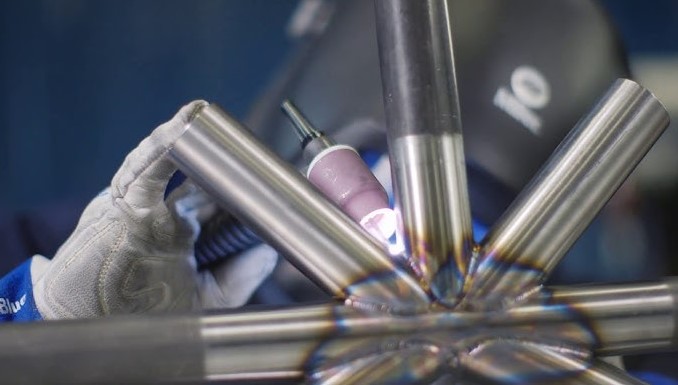
The most important factor is the material. Steel is the most common, and almost every welding shop can handle it. However, if you are looking to weld aluminum or stainless steel, you need a specialist. Aluminum requires specific equipment, like TIG (Tungsten Inert Gas) welding, which demands a high level of skill. If you aren’t sure what your item is made of, a magnet is a quick test; if it sticks, it is likely steel or iron.
The Scale of the Project
Are you looking to weld a small bracket, or do you need a custom trailer built? Small repairs can often be done at a local fabrication shop during their downtime. Large projects, however, might require a shop that can dedicate machinery and floor space to your job. Knowing your scale allows you to communicate better with potential contractors.
Where to Find Local Welding Services
In 2026, our digital tools are better than ever. While word-of-mouth is still the gold standard, online platforms have become incredibly reliable for vetting local professionals. When you search for where to get something welded, look for more than just a name; look for a track record.
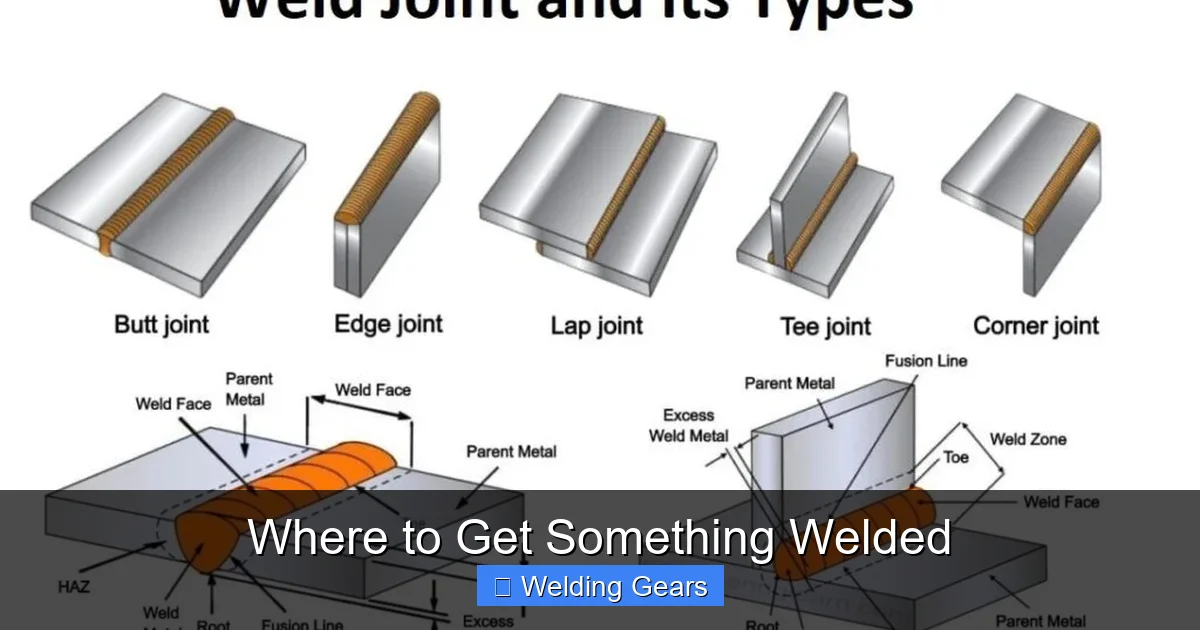
Visual guide about Where to Get Something Welded
Image source: weldingofwelders.com
Using Modern Search Engines and Directories
Start with a simple search for “welding services near me.” Look for profiles that have been updated recently. Many shops now host video galleries of their past work. Watch these videos. Does the weld look clean? Is it uniform? A professional welder is often proud of their work and will display it clearly.
Asking Around in Niche Communities
If you are fixing a car part, ask your local mechanic who they use. If it is a piece of art or antique furniture, visit a local metalworking gallery or blacksmith. People in the industry know who does the best work. A personal recommendation is often worth more than five stars on an app because it comes with the context of reliability and integrity.
Deciding Between a Shop or Mobile Service
One of the biggest decisions when you figure out where to get something welded is whether to bring the item to the shop or have a mobile welder come to you. Each has its pros and cons, and your decision will largely depend on the portability of your item.
When to Visit a Welding Shop
Taking your project to a professional shop is usually cheaper. You avoid the “trip charge” that mobile welders have to build into their rates. Additionally, a shop has all their tools, materials, and safety equipment within arm’s reach. They have overhead cranes to lift heavy items and specialized jigs to keep things perfectly aligned. If your item fits in your truck, take it to the shop.
When to Hire a Mobile Welder
Mobile welding is a lifesaver when the item is structural or simply too large to move. This includes things like gate hinges on a fence, heavy equipment on a job site, or structural repairs to a building. Mobile welders are highly skilled at working in less-than-perfect conditions. They are also your best friend in an emergency. If your gate is stuck closed or a piece of farm machinery is dead in the field, they are the only option.
Vetting Your Potential Welder
Once you have a list of candidates, it is time to vet them. Never feel bad about asking questions. A professional will appreciate your interest in the quality of the work. You are paying for a service, and you deserve to know that your safety is a priority.
Checking for Certification
For structural items anything that supports weight or could cause injury if it failed—always ask if the welder is AWS certified. This shows they have passed rigorous tests regarding their technique and knowledge. While a hobbyist might be great at fixing a birdbath, you do not want them welding a trailer hitch or a balcony railing.
Asking About Insurance
A legitimate professional will have insurance. Welding involves sparks, heat, and structural changes. Even the best welders can have an accident. If you are hiring someone to work at your home, ensure they are bonded and insured. This protects you from liability if something goes wrong while they are working on your property.
The Cost of Welding
People often ask, “How much should I pay?” The truth is, there is no set price. Where to get something welded often depends on the complexity, the material, and the time required. In 2026, most shops will charge a minimum bench fee just to get started. This covers their setup time, gas, and electricity.
Getting a Clear Estimate
Always ask for a quote before the work begins. Be as detailed as possible in your description. If you send them a photo with a measuring tape next to the crack, they can give you a much more accurate price. Be wary of estimates that seem too low; they often indicate that the welder might cut corners on cleaning the metal, which leads to weak welds that fail later.
Understanding the “Prep” Cost
You might be tempted to clean the metal yourself to save money. Be careful! Some welders prefer to do their own prep work because they know exactly what finish is required for their welding process. If you try to sand or grind the metal yourself, you might accidentally leave a residue that makes the welding process harder. Always ask the welder if you should do the initial cleaning.
Conclusion
Finding the right place to get something welded is all about preparation. By knowing what your material is, choosing between a shop or a mobile service, and vetting your contractor, you can ensure the job is done right the first time. Welding is a fantastic skill that keeps our world together, and by working with a qualified professional, you are ensuring that your repair will last for many years to come.
In 2026, we have more access to quality tradespeople than ever before. Use your resources, check the credentials, and don’t be afraid to ask for a portfolio. Whether it is a small fix or a big project, there is a welder out there who is perfect for the task. Now that you know where to look, you can move forward with confidence and get that metal project finished.
Frequently Asked Questions
How much does a basic weld usually cost?
Most welding shops have a minimum charge to cover setup and materials, which typically ranges from $50 to $150. Small, quick repairs are often done for this base fee, while larger projects are quoted based on time and materials.
Can I weld something that is painted or rusty?
While a welder can handle it, you should ideally clean the area first. If you cannot clean it, inform the welder beforehand so they can account for the extra time needed to grind the metal to bare, shiny steel for a proper bond.
Is mobile welding more expensive than shop welding?
Yes, mobile welding usually includes a trip charge to cover fuel and equipment transport. If your item can be transported, taking it to a shop is almost always the more cost-effective option.
How do I know if a weld is high quality?
A good weld should look consistent, like a stack of coins or a uniform bead of caulk. It should be free of major craters, excessive splatter, or large gaps that were simply “filled in” with extra metal.
Do I need a certified welder for home repairs?
It depends on the danger level. For a decorative item or a simple garden tool, a non-certified welder is fine. However, if the item supports weight or is part of a vehicle, you should insist on an AWS-certified professional for safety.
What if the welder breaks my item?
This is why you should always verify that a business is insured before hiring them. Reputable welding shops carry liability insurance to cover accidental damage to your property or items during the repair process.