
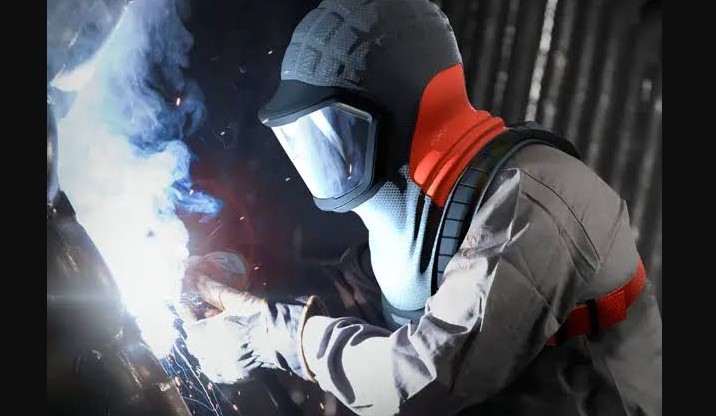
A welding mask is a vital piece of safety gear designed to protect your eyes, face, and neck from intense infrared light, sparks, and debris. In 2026, modern masks combine advanced light-sensing technology with ergonomic designs to ensure you stay safe and comfortable while you work.
If you have ever walked into a workshop and seen that brilliant, flickering blue light, you know just how intense welding can be. It is an amazing process that joins metal, but it produces light so strong it can literally burn your eyes. This is exactly where a welding mask comes into play.
If you are wondering what is a welding mask, think of it as your most important companion at the workbench. It is not just a piece of equipment; it is a shield that keeps you safe while you create.
In 2026, the technology behind these masks has reached a whole new level. Gone are the days when you had to fumble with heavy, static glass lenses. Today, we have smart, responsive gear that makes welding easier than ever before. Whether you are a hobbyist working on a weekend project or a professional in a busy fabrication shop, understanding your gear is the first step toward becoming a better welder.
Key Takeaways
- Essential Protection: A welding mask is your primary defense against “arc eye,” burns, and flying metal shards.
- Auto-Darkening Technology: Modern gear features smart sensors that adjust lens shade instantly when an arc is struck.
- Comfort Matters: Finding a mask with good balance and adjustable headgear reduces fatigue during long sessions.
- UV/IR Safety: Every mask must provide certified protection against invisible radiation that can permanently damage vision.
- Versatility: Different tasks, such as TIG or MIG welding, require specific shade levels and response speeds.
- Lifespan Care: Proper maintenance of your lens and shell ensures your welding mask performs reliably for years.
Understanding the Basics of a Welding Mask
At its core, a welding mask is a protective headgear device. Its job is to block the dangerous rays produced by the electric arc. When you weld, the process emits ultraviolet (UV) and infrared (IR) radiation. You cannot see these rays, but they can cause serious pain. If you look at an arc without a welding mask, you risk something called arc eye, which feels like having sand rubbed into your eyes. It is painful, and it is entirely preventable.
The Anatomy of the Mask
A standard welding mask consists of a shell, a lens, and a headgear system. The shell is usually made from lightweight, heat-resistant plastic or composite materials. It is shaped to cover your entire face and neck, protecting your skin from the intense heat and the tiny sparks that fly off the metal. The lens is the “heart” of the mask. It is the part that filters out the harmful light while letting you see your work clearly.
Passive vs. Auto-Darkening
When asking what is a welding mask, you will find two main types: passive and auto-darkening. Passive masks have a fixed dark lens. You have to flip them down right before you start, which can be tricky. Auto-darkening masks, which are standard in 2026, use special sensors.
They stay clear when you are not welding, allowing you to see your setup, and then they darken in a fraction of a second the moment they detect the arc. This makes your workflow much smoother.
The Importance of Safety Standards in 2026
Safety is not something you should take shortcuts with. In 2026, manufacturers follow strict global standards for welding equipment. When you buy a mask, look for the safety ratings printed on the inside. These ratings prove that the lens will actually block the bad stuff.
Why UV and IR Protection is Non-Negotiable
The arc produced by welding is brighter than the sun. Without proper filtration, the radiation will damage your retinas and cause long-term vision loss. A high-quality welding mask acts as a permanent filter. Even when the auto-darkening feature is set to a lighter shade, it still blocks the invisible UV and IR rays. This is why you should never buy an unbranded or cheap mask from an unknown source.
The Role of Shade Levels
Different welding jobs need different shade levels. The shade refers to how dark the lens becomes. If you are doing low-amperage TIG welding, you might need a lighter shade to see the puddle clearly. If you are heavy-duty MIG welding, you will need a much darker setting. Many modern masks allow you to adjust this with a simple dial or button on the side.
Choosing the Right Mask for Your Needs
With so many options out there, it can be hard to pick the right one. The best way to approach this is to think about what kind of welding you do most often. If you are doing a lot of overhead work, you want a mask that is lightweight so your neck does not get tired.
Features That Make a Difference
Look for features like sensitivity and delay adjustments. Sensitivity controls how easily the sensors pick up the arc, which is great if you are welding in bright sunlight or around other welders. Delay control determines how fast the lens returns to a clear state after you stop welding. A slightly longer delay helps if you are doing tack welds, as it keeps your eyes protected from the “afterglow” of the metal.
Comfort and Fit
You might have the most advanced welding mask on the market, but if it is uncomfortable, you will not want to wear it. Check the headgear adjustment. It should fit snugly without being too tight. A good mask also has plenty of airflow so you do not deal with a fogged-up lens or heat buildup inside the shell.
Maintaining Your Gear for Longevity
Think of your welding mask as an investment. If you treat it well, it will keep you safe for many years. Regular maintenance is simple but effective. Start by keeping the lens clean. Spatter can build up on the protective outer plate over time, which makes it harder to see. Replace the protective cover lenses as soon as they get scratched or pitted.
Checking Your Sensors
The sensors on an auto-darkening mask are very sensitive. Make sure they are not blocked by debris or tape. If your mask is not darkening correctly, the first thing to check is if the sensors are dirty. Also, if you use a battery-powered mask, keep a spare set of batteries in your toolbox. There is nothing worse than your mask failing to darken while you are in the middle of a bead.
Storage Tips
Do not just throw your mask in the bottom of a bin with your heavy tools. It is best to store it in a cool, dry place. Many welders use a dedicated bag or a shelf. By keeping your mask clean and protected, you ensure that the lens remains clear and the sensors stay responsive whenever you need to strike an arc.
Common Challenges and How to Fix Them
Even with great gear, you might run into issues. Perhaps the mask is too dark, or the sensor is not picking up the arc in tight corners. Knowing what is a welding mask in terms of troubleshooting is part of the professional journey. Don’t panic; most problems have an easy fix.
Dealing with “Flash”
If you feel like you are getting flashed, your sensitivity setting might be too low, or you might be working at an angle where the arc is hidden from the sensors. Try increasing the sensitivity. Also, ensure you are not wearing a hat or headgear that is blocking the sensors on the front of the mask.
Lens Clarity Issues
If the view feels blurry, check your protective cover lens. If it is covered in dust or tiny spatter holes, it will distort your view. Replacing these cheap cover lenses is the best way to get that “HD” view back.
If you are still struggling to see, consider looking into “true color” lens technology, which is very popular in 2026. It allows more natural light spectrums through, making it much easier to see the color of the weld puddle.
Conclusion
So, what is a welding mask? It is your shield, your view, and your best friend in the shop. It bridges the gap between dangerous, blinding light and the satisfying glow of a well-executed weld. By choosing a mask that fits your needs, maintaining it properly, and respecting the technology it provides, you are setting yourself up for success.
In 2026, we are lucky to have such high-quality tools available to us. Whether you are building a custom car, fixing a farm gate, or learning the trade for the first time, your mask is the one piece of equipment you should never skimp on. Stay safe, keep your lens clean, and enjoy the process of creating something new with fire and metal. Happy welding!
Frequently Asked Questions
Do I really need an auto-darkening mask?
While you can use a passive mask, an auto-darkening mask is highly recommended in 2026 because it allows you to see your workpiece clearly before striking the arc. This significantly improves your accuracy and helps you avoid striking the arc in the wrong spot.
How often should I replace my welding mask?
If you maintain the shell and replace the cover lenses regularly, a quality mask can last for several years. You should only replace the entire unit if the electronics fail, the shell cracks, or the internal filter no longer darkens consistently.
Can a welding mask be used for grinding?
Many modern welding masks feature a “grind mode” that keeps the lens in a clear state while protecting your face from sparks. Always check that your specific model includes this feature before using it for grinding tasks.
What does the shade number actually mean?
The shade number indicates how much light the lens blocks, with higher numbers being darker. Most welding requires a shade between 9 and 13, depending on the intensity of the arc and your personal comfort.
Are expensive masks worth the extra cost?
Higher-end masks often offer better optical clarity, faster switching speeds, and more comfortable headgear. For professional welders, these features reduce fatigue and improve weld quality, making the extra investment well worth it.
What should I do if my lens stops darkening?
First, check the battery levels, as most auto-darkening masks run on batteries or solar cells. If the battery is fine, inspect the sensors for dirt or debris and clean them thoroughly before testing the mask again.