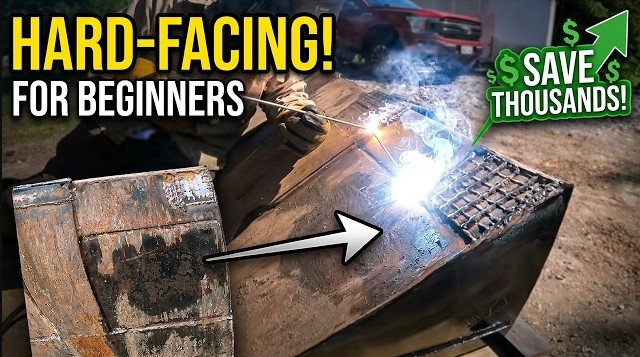
Hardfacing in welding is a specialized technique used to deposit a layer of harder, more durable material onto the surface of a softer base metal. By applying wear-resistant alloys to high-impact components, industries can significantly extend the service life of their equipment and reduce long-term maintenance costs.
If you have spent any time around heavy machinery or agricultural equipment, you have likely noticed that parts don’t stay new for long. Whether it is a shovel digging into rocky soil or a crusher processing minerals, the surface of your tools takes a real beating.
This is where hardfacing in welding becomes a game-changer. Think of it as a suit of armor for your metal parts. Instead of letting the base metal wear away, we coat it in a substance designed to handle the abuse.
In the world of 2026 industrial maintenance, hardfacing is more than just a repair trick; it is a necessity for efficiency. By understanding what is hardfacing in welding, you move from just fixing things to actually making them better than they were when they left the factory.
It is a cost-effective way to fight against the natural enemies of steel: friction, heat, and high-impact force. Let’s dive into how this process works and why it remains a cornerstone of the welding industry.
Key Takeaways
- Cost Efficiency: Hardfacing allows you to repair worn parts instead of buying expensive replacements, saving significant capital.
- Customized Protection: You can select specific alloys to protect against abrasion, impact, heat, or corrosion depending on your equipment’s work environment.
- Enhanced Durability: A properly applied hardfaced layer often lasts significantly longer than the original base metal alone.
- Versatility: This process works on a wide variety of base metals, making it ideal for everything from construction gear to agricultural machinery.
- Process Variety: Hardfacing can be performed using various welding methods like MIG, TIG, or manual metal arc welding depending on the specific job requirements.
- Strategic Maintenance: Implementing a hardfacing program is a proactive way to minimize downtime and keep machinery running at peak performance in 2026.
Understanding the Basics of Hardfacing
At its core, hardfacing in welding is the process of applying a layer of filler metal to a component through a fusion process. Imagine you have a part that is starting to thin out because it rubs against sand or dirt all day. Instead of throwing it away, a welder uses an electrode or wire containing special alloys like chromium, tungsten, or vanadium to create a new, tougher surface layer.
Why Do We Need Hardfacing?
The primary reason we turn to hardfacing is to combat wear. Wear is a broad term that covers abrasion, impact, and even chemical corrosion. When you invest in heavy equipment, you want it to last. If a bucket tooth on an excavator wears down, the machine loses its digging efficiency. Hardfacing ensures that the geometry of the tool is maintained for a longer period. It is all about protecting the investment you have already made.
The Science Behind the Toughness
Hardfacing works by changing the metallurgy of the top surface. The welding process melts the filler material and mixes it slightly with the base metal. This creates a transition zone that is metallurgically bonded, not just glued on.
When the weld cools, it forms a structure often called a carbide structure that is significantly harder than the original steel. This is why hardfacing in welding is so effective; it creates a microscopic defense system that is incredibly difficult to penetrate.
Choosing the Right Materials
Not all hardfacing is the same. Just as you wouldn’t use a hammer to drive a screw, you shouldn’t use the wrong alloy for your specific wear condition. Selecting the right consumable is half the battle. If your part faces heavy impact, you need a different material than if it faces pure sliding abrasion.
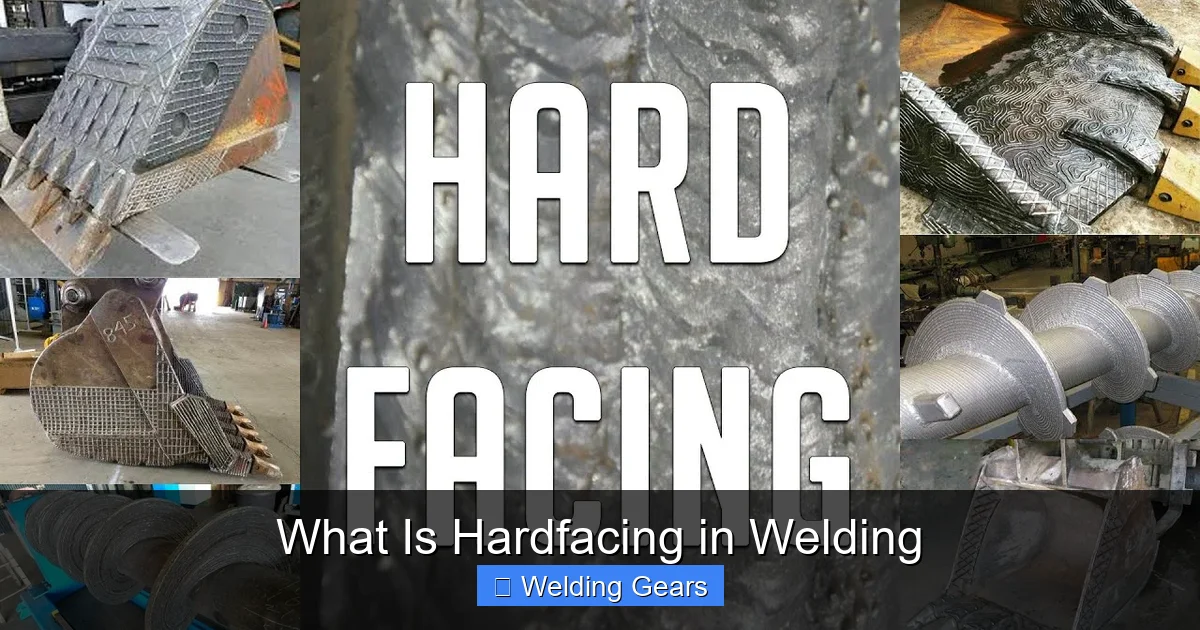
Visual guide about What Is Hardfacing in Welding
Image source: i.ytimg.com
Matching Alloys to Wear Patterns
If your equipment operates in high-abrasion environments, such as a rock crusher, you want high-chromium alloys. These create a surface filled with hard, wear-resistant carbides. On the other hand, if you are working on equipment that gets hit by falling objects or shocks, you need an alloy that is tougher and more ductile, like a manganese steel alloy. This allows the surface to deform slightly rather than cracking under the pressure of an impact.
Considerations for 2026 Technology
In 2026, we have access to more specialized flux-cored wires than ever before. These wires are designed for specific industries, such as forestry or mining. When you are looking at the different options, pay attention to the manufacturer’s data sheet. It will tell you the expected hardness level, measured in Rockwell C or Brinell. Matching this to the expected stress levels of your tool is the key to a long-lasting repair.
The Different Welding Methods for Hardfacing
You can perform hardfacing using almost any standard welding method. Choosing the right one usually depends on the size of the part, the thickness of the deposit, and the equipment you have in your shop. Knowing what is hardfacing in welding also means knowing which tool to pull off the shelf.
Manual Metal Arc (SMAW)
This is the classic “stick” welding method. It is incredibly versatile because you don’t need fancy equipment, just an electrode holder. It is perfect for field repairs. If you are out in a remote area and a piece of equipment breaks, stick welding allows you to apply a hard layer quickly and effectively without needing a shielded gas tank.
MIG and Flux-Cored Arc Welding
If you are working in a shop, flux-cored welding (FCAW) is often the go-to. It is much faster than stick welding and allows for a more uniform deposit. Because you are using a continuous wire feed, your travel speed is more consistent, which leads to a better finish. In a high-volume maintenance facility, this is the most efficient way to handle repetitive hardfacing tasks.
Submerged Arc Welding
For very large parts, such as massive rollers or shafts, submerged arc welding is the king of efficiency. The arc is hidden beneath a bed of flux, which keeps the heat concentrated and allows for high deposition rates. This is typically reserved for specialized manufacturing where extreme consistency is required over a large surface area.
Preparation and Application Best Practices
Even with the best materials, your hardfacing will fail if you don’t prep the surface correctly. The biggest mistake beginners make is welding over dirt, rust, or old, cracked hardfacing. You need a clean, stable foundation for the weld to bond to.
Cleaning and Grinding
Start by removing all contamination. Use a grinder to get down to bright, clean metal. If the old hardfacing is cracking or flaking off, you must remove it entirely before starting fresh. Applying new hardfacing over a failing layer is a recipe for disaster, as the new layer will simply peel away along with the old one.
Preheating and Cooling
Base metals, especially high-carbon steels, can become brittle if they cool down too quickly after welding. Preheating the part before you start the arc helps reduce the thermal shock. Similarly, cooling the part slowly sometimes by burying it in dry sand – can prevent cracks from forming. Understanding the metallurgy of your base metal is just as important as understanding the filler metal you are using for the hardfacing.
Pattern Matters
How you lay the weld bead is a secret of the trade. You don’t always have to cover the entire surface with a solid sheet of weld. Often, a “herringbone” or “grid” pattern is more effective. This allows the material you are moving (like sand or grain) to pack into the gaps between the beads, creating a layer of material that protects the metal from within. This is a brilliant way to save on expensive filler metal while still getting excellent wear resistance.
Safety and Quality Control
Hardfacing in welding involves high heat and intense light, so safety is non-negotiable. Because you are often dealing with complex alloys, the fumes produced during welding can be hazardous. Always work in a well-ventilated area or use a local exhaust system to keep the air clear.
Managing Fumes and Heat
The alloys used in hardfacing, particularly those containing chromium or nickel, can produce dangerous fumes. Make sure your respirator is rated for the specific type of welding you are doing. Furthermore, because hardfacing often requires multiple passes, the part can get incredibly hot. Always use proper handling tools and never touch a part that has recently been welded, even if it looks like it has cooled down.
Inspecting Your Work
After the part cools, take a good look at your beads. Are there cracks running through the center of the weld? Some minor checking is normal for certain high-hardness materials, but deep, wide cracks suggest that your cooling process or preheating was insufficient. A high-quality hardfacing job should be smooth, consistent, and well-bonded to the base metal.
The Future of Hardfacing: Trends in 2026
As we look at the industrial landscape in 2026, hardfacing is evolving. We are seeing more robotic applications, where precision sensors monitor the thickness of the deposit in real-time. This eliminates human error and ensures that every bucket tooth or wear plate is reinforced to the exact same standard.
Smart Alloys
The development of “smart alloys” that adapt to temperature changes is another exciting trend. These materials maintain their hardness even when the equipment heats up during heavy use, preventing the “softening” that can happen with traditional steels. It is an exciting time to be involved in the welding trade, as these innovations make our work more durable and efficient than ever before.
Conclusion
What is hardfacing in welding? It is the ultimate tool for anyone who wants their equipment to last through the toughest jobs. By learning to select the right materials, prepare your surfaces properly, and apply the weld with care, you can save thousands of dollars in replacement parts and keep your machinery running smoothly for years to come.
Whether you are in agriculture, mining, or general construction, embracing hardfacing is a smart business decision that pays for itself over and over again. Start small, master the basics, and you will find that your equipment’s lifespan is only limited by your imagination.
Frequently Asked Questions
What is the primary benefit of hardfacing?
The primary benefit of hardfacing is significantly increasing the service life of industrial components by protecting them from wear, abrasion, and impact. This process saves money by allowing you to repair existing parts instead of purchasing expensive replacements.
Can hardfacing be done on any type of metal?
While hardfacing can be applied to many steels, the success depends on the compatibility between the filler metal and the base metal. Some metals, like high-carbon or alloy steels, require specific preheating and cooling procedures to prevent cracking.
How do I know which hardfacing alloy to choose?
You should choose your alloy based on the specific type of wear your equipment encounters, such as sliding abrasion, impact, or high-temperature wear. Always check the manufacturer’s technical data sheets to ensure the alloy’s hardness and impact resistance match your needs.
Is it possible to “over-hardface” a part?
Yes, applying too much material or using an alloy that is too brittle for the base metal can lead to cracking and failure. It is important to follow the recommended layer thickness and application patterns to maintain structural integrity.
Does hardfacing require specialized equipment?
In most cases, you can use standard welding machines like MIG, TIG, or Stick (SMAW) welders for hardfacing. However, the choice of equipment often depends on the scale of the job and the specific alloy wire or electrode being used.
Why does my hardfacing layer crack after cooling?
Cracking often happens due to rapid cooling, lack of proper preheating, or using an alloy that is too hard for the base metal. Ensuring you follow proper thermal management procedures is essential to minimize stress and prevent these types of defects.