The right welding rod can make a noticeable difference in weld quality, arc stability, and overall workability. Welding rods, also called stick electrodes, come in different types that suit different metals, welding positions, and project needs. A good rod should strike easily, maintain a steady arc, and create a strong weld with manageable slag.
Different welding rods offer different strengths and characteristics. E6010 rods provide deep penetration and work well for certain pipe and structural jobs, while E6011 rods offer good penetration and can work with both AC and DC power on many machines. E6013 rods can provide smooth arcs and easy handling, making them popular for lighter fabrication. E7018 rods can produce strong, low-hydrogen welds and suit many structural applications.
Your welder and project should guide your choice. Check the electrode classification, diameter, polarity requirements, base-metal type, and recommended amperage before buying. Welding position also matters because some rods work better for vertical or overhead welding than others. Proper storage can also help protect moisture-sensitive electrodes and maintain their performance.
This guide covers five of the best welding rods. We focus on arc stability, penetration, weld strength, ease of striking, slag removal, welding position, amperage range, polarity, material compatibility, storage needs, and overall value. These factors can help you choose welding rods that match your equipment and the type of welding work you plan to do.
5 Best Welding Rods
| Image | Title | Best For | Link |
|---|---|---|---|
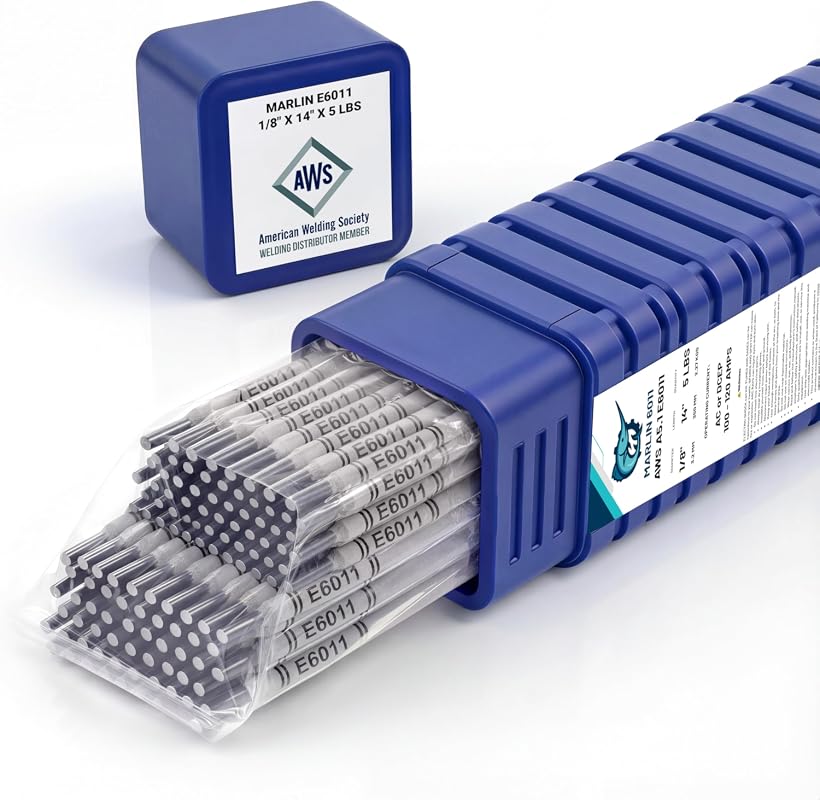 |
E6011 Carbon Steel Welding Rods | Deep penetration for structural and maintenance welding. | View on Amazon |
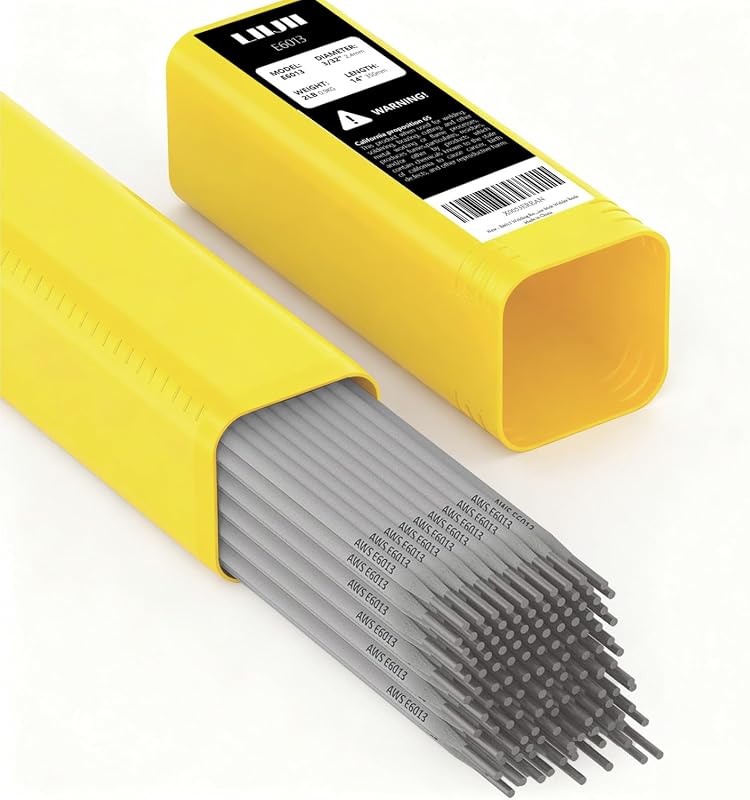 |
E6013 Carbon Steel Welding Rods | General purpose, hobbyist use and light gauge metal. | View on Amazon |
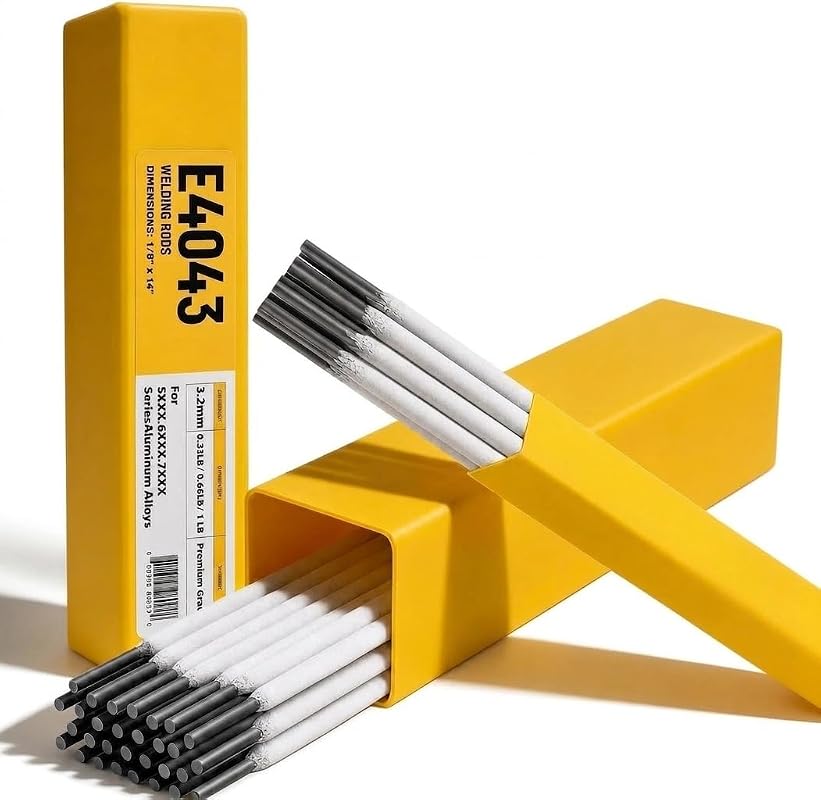 |
E4043 Aluminum Welding Rods | Specialized aluminum repair for common alloys. | View on Amazon |
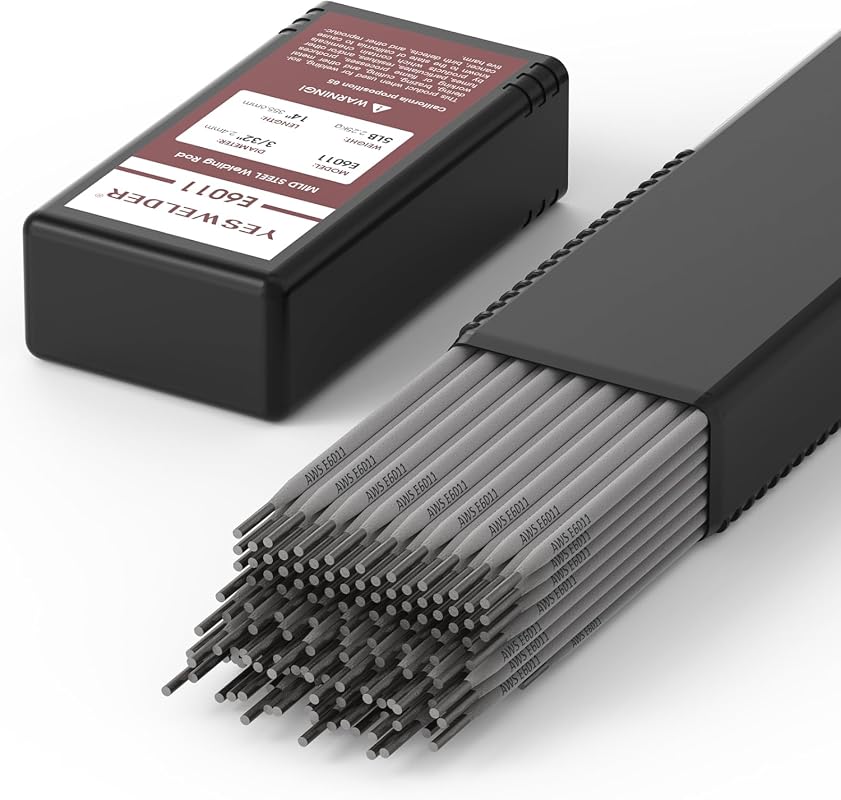 |
YESWELDER E6011 Welding Rods | Dirty or rusty surface preparation for arc welding. | View on Amazon |
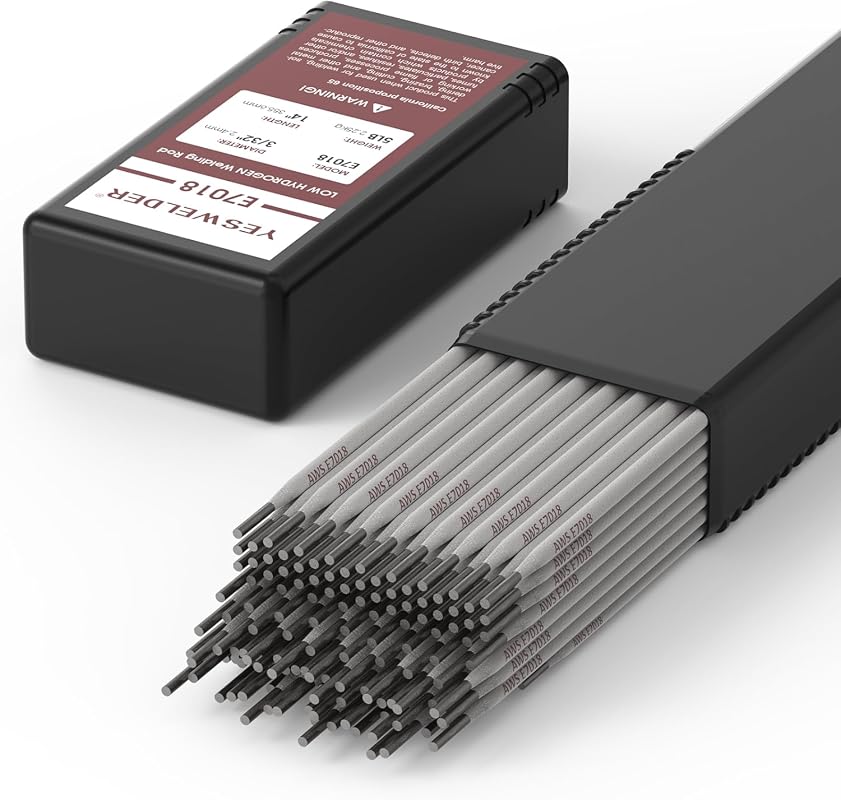 |
YESWELDER E7018 Welding Rods | High-strength structural applications and carbon steels. | View on Amazon |
Our Top 5 Best Welding Rods Reviews – Expert Tested & Recommended
1. Premium E6011 1/8″ Welding Rods
If you need a rod that can handle the grit of real-world repair jobs, these E6011 rods are a fantastic pick. They provide a strong, deep-penetrating arc that works incredibly well on dirty or painted metal surfaces, saving you significant time on prep work.
Key Features That Stand Out
- ✓ Exceptional deep penetration for structural integrity
- ✓ Versatile all-position welding capability
- ✓ Compatible with both AC and DC power sources
- ✓ Fast-freezing slag for easier vertical welding
Why We Recommend It
We love this rod for its sheer reliability and versatility. It is the go-to choice for farmers, mechanics, and DIY enthusiasts who need a rugged electrode that gets the job done without fuss.
Best For
Ideal for maintenance repair, structural work, and welding on contaminated or rusty steel surfaces.
Pros and Cons at a Glance
2. E6013 3/32″ Welding Rods
When it comes to smooth, clean, and easy operation, the E6013 is a welder’s best friend. It is incredibly user-friendly, making it the perfect starting point for beginners who want to practice without the aggressive penetration of deeper-cutting rods.
Key Features That Stand Out
- ✓ Excellent arc stability for a smooth finish
- ✓ Minimal spatter creates a cleaner work surface
- ✓ Readily removable slag for quick cleanup
- ✓ Ideal for general-purpose mild steel projects
Why We Recommend It
We found this rod to be the most forgiving option, producing beautiful, aesthetic beads that look professional even if you are just learning. It provides a relaxed experience that helps build confidence.
Best For
Beginner hobbyists, light gauge metal fabrication, and general shop projects where appearance matters.
Pros and Cons at a Glance
3. E4043 Aluminum Welding Rods
Aluminum welding is notoriously tricky, but these E4043 rods make it accessible for repairs on common aluminum alloys. Whether you are fixing a small crack in a bracket or working on 6061-T6, these rods provide a consistent, reliable blend that holds up well.
Key Features That Stand Out
- ✓ Premium aluminum-silicon blend for clean results
- ✓ Broad compatibility with common alloys (1100, 3003, 6061)
- ✓ Consistent 1/8″ diameter for easy handling
- ✓ Great value for small-scale aluminum repairs
Why We Recommend It
We believe every shop needs a small supply of these on hand. They are cost-effective, precise, and save you from having to take your aluminum repairs to a professional machine shop.
Best For
Light aluminum repairs, hobby projects, and emergency fixes for common household aluminum alloys.
Pros and Cons at a Glance
4. YESWELDER E6011 3/32” Welding Rods
YESWELDER has become a staple for many, and their E6011 sticks do not disappoint. These are designed for those who need deep penetration on materials that aren’t perfectly clean, providing excellent arc stability even in challenging positions.
Key Features That Stand Out
- ✓ High arc force for deep, reliable penetration
- ✓ All-position versatility for varied shop projects
- ✓ Low spatter level keeps your project looking neat
- ✓ Fast-freezing properties help with difficult joint angles
Why We Recommend It
We find these to be incredibly consistent. You get the same reliable performance from the first rod to the last, making them a great bulk buy for anyone with a busy workshop.
Best For
Heavy-duty maintenance, agricultural machinery repairs, and welding dirty or painted mild steel.
Pros and Cons at a Glance
5. YESWELDER E7018 3/32” Welding Rods
If you are working on something that requires high-quality, high-strength welds, the E7018 is the industry standard. These YESWELDER sticks offer a steady arc, excellent re-striking, and a high deposition efficiency that makes them ideal for serious structural work.
Key Features That Stand Out
- ✓ Low-hydrogen electrode for high-quality, x-ray welds
- ✓ Excellent steady arc with minimal spatter
- ✓ Superior re-striking ability for ease of use
- ✓ Highly efficient for medium-grade carbon steels
Why We Recommend It
This is the rod for projects where safety and strength are not optional. We trust the E7018 for structural integrity because it consistently delivers strong, ductile welds that stand the test of time.
Best For
Structural welding, thick carbon steel projects, and applications requiring high-strength, low-hydrogen welds.
Pros and Cons at a Glance
Complete Buying Guide for Best Welding Rods
Essential Factors We Consider
When looking for the best welding rods, the first thing you need to identify is the material you are joining. Steel, aluminum, and cast iron each require specific electrodes to ensure the chemical bond is correct. Additionally, consider your power source; some rods work best with AC, others with DC, and many are versatile. Always look for rods that offer good arc stability, as this makes the actual welding process much smoother and less tiring.
Budget Planning
For most DIYers, buying in smaller packs is a great way to manage costs while experimenting with different rod types. However, if you have a regular workshop, bulk 5lb packs offer much better value. Remember that “budget” does not always mean the cheapest product; a slightly more expensive rod that is easier to use will save you time, cleaning materials, and potential project failures, which is true savings in the long run.
Final Thoughts
There is no single “best” rod for every application, but by keeping a variety of E6011, E6013, and E7018 on your shelf, you will be prepared for almost any project that comes your way. Whether you are learning the ropes or finishing a professional repair, the right rod makes all the difference in the strength and quality of your work.
Frequently Asked Questions
Q: Can I use E6011 rods for everything?
A: While E6011 is incredibly versatile, it is not ideal for every task. It is perfect for deep penetration and dirty metal, but for aesthetic work or very thin sheet metal, you might prefer E6013 for its smoother, cleaner finish.
Q: How should I store my welding rods?
A: Most rods, especially low-hydrogen ones like E7018, should be stored in a dry place, ideally a rod oven or a sealed container with desiccant packs, to prevent them from absorbing moisture which can cause weld defects.
Q: Why does my rod keep sticking to the work?
A: This is usually due to improper amperage settings or holding the rod too close to the workpiece. Try increasing your amperage slightly or maintaining a slightly larger gap to allow the arc to sustain itself.