Cutting galvanized pipe requires a tool that can handle steel without making the job unnecessarily difficult. The right choice depends on the pipe diameter, wall thickness, workspace, and type of cut you need. A heavy-duty pipe cutter can make clean, square cuts with little heat, while a hacksaw offers a simple option for smaller jobs.
This guide covers five useful tools for cutting galvanized pipe, including pipe cutters, reciprocating saws, hacksaws, portable bandsaws, and angle grinders. A reciprocating saw works well in tight spaces, while a bandsaw can provide cleaner cuts on larger pipes.
An angle grinder can cut thick pipe quickly, but it creates sparks and heat, so proper protection and ventilation matter. Each tool has its own strengths, so your pipe size, cutting location, and desired finish should guide your choice. After cutting, remove sharp burrs and consider applying a zinc-rich coating to the exposed steel edge to help prevent corrosion.
5 Best Tools To Cut Galvanized Pipe
| Image | Title | Best For | Link |
|---|---|---|---|
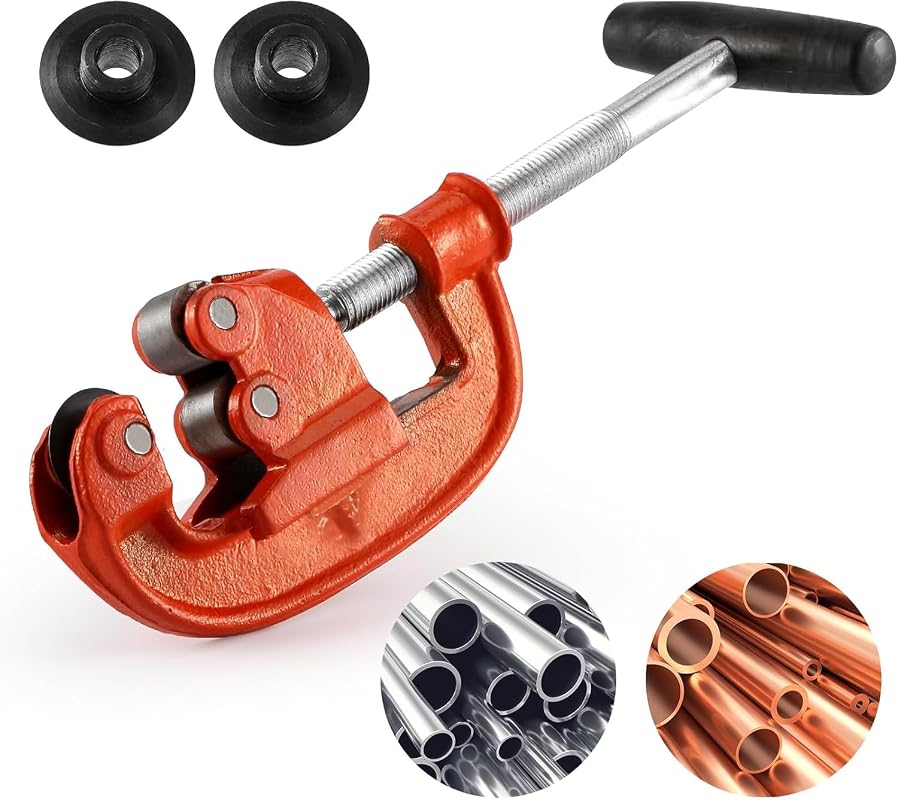 |
Professional 1-3 Inch Pipe Cutter | Heavy-duty professional use | View on Amazon |
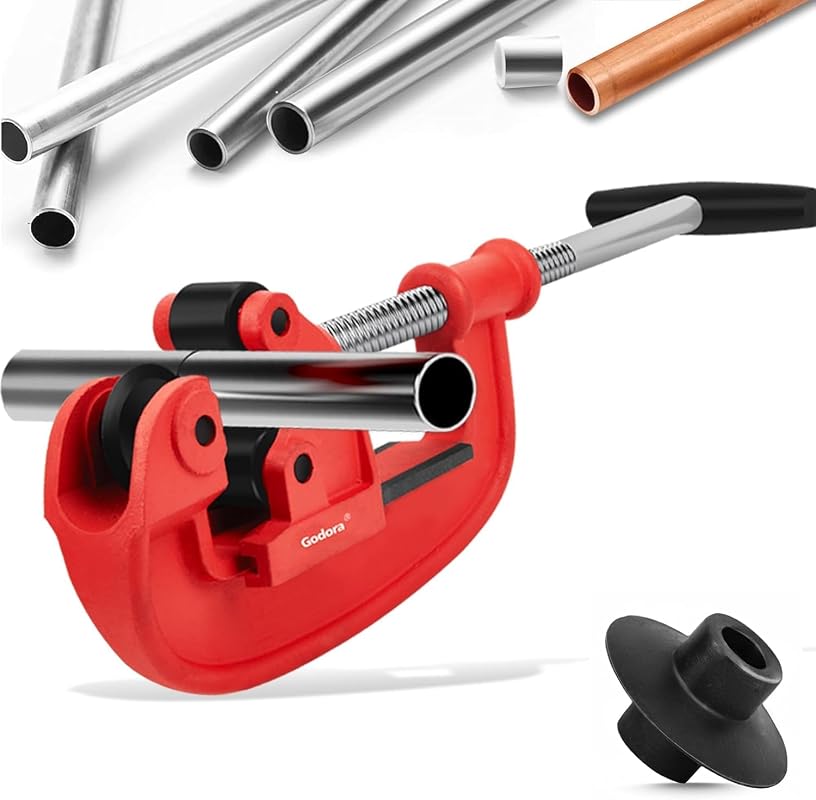 |
Heavy Duty 1/8-2 Inch Pipe Cutter | Plumbing and metal tubing | View on Amazon |
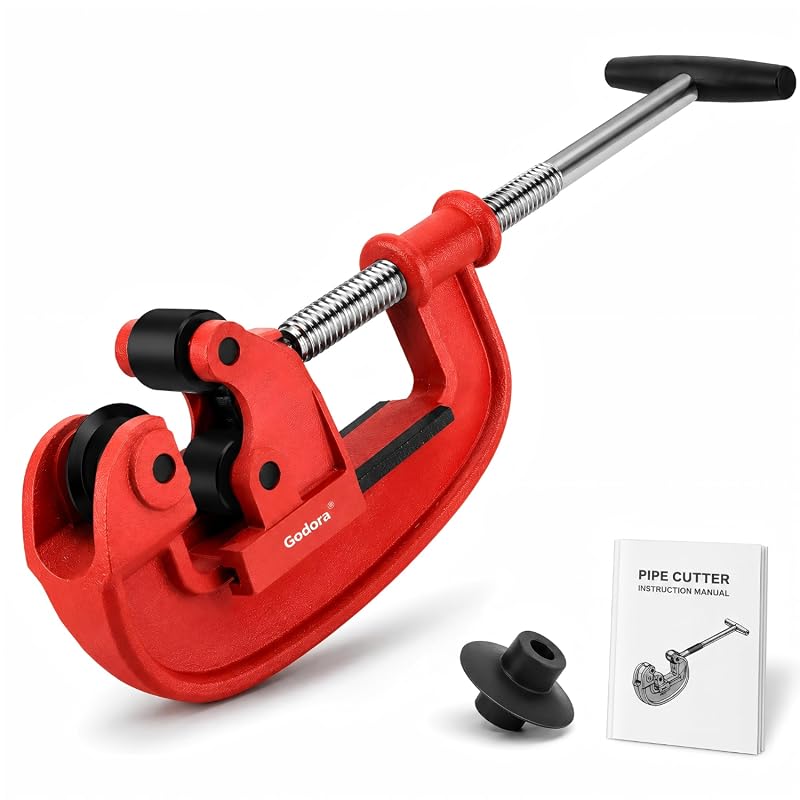 |
Heavy Duty 1-3 Inch Pipe Cutter | General DIY and home repair | View on Amazon |
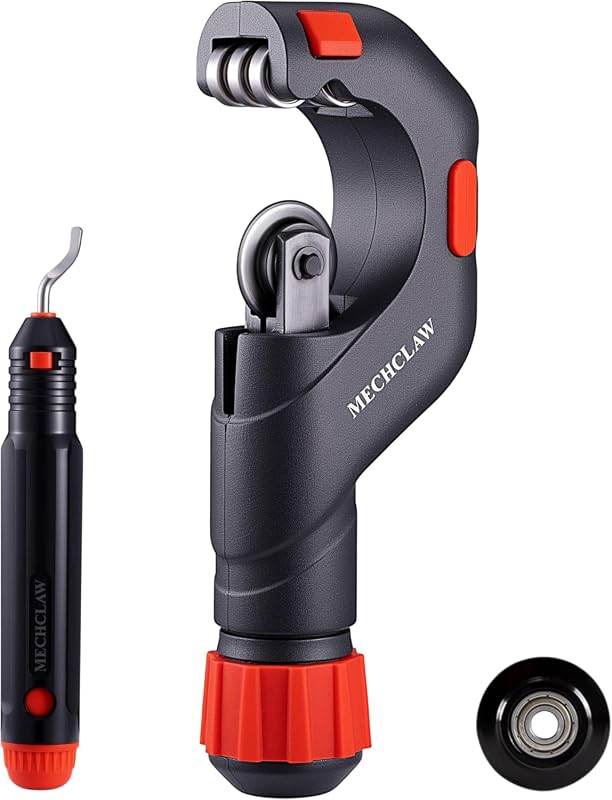 |
Heavy Duty 3/16-2 Inch Tube Cutter | Precision and smooth cuts | View on Amazon |
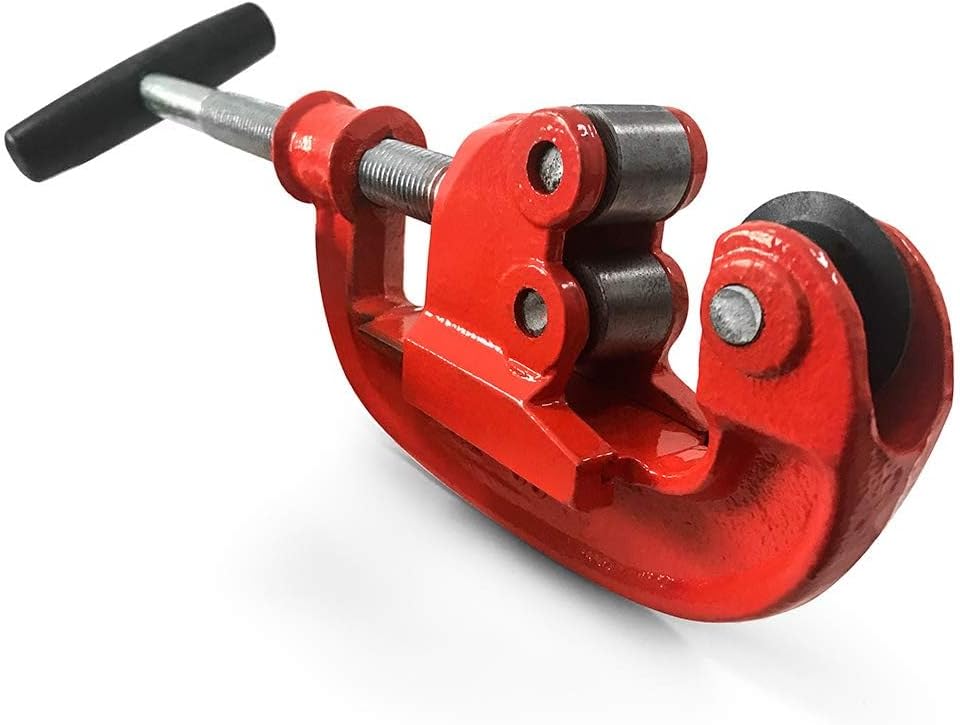 |
QWORK 1/8-2 Inch Pipe Cutter | Industrial metal work | View on Amazon |
Our Top 5 Best Tools To Cut Galvanized Pipe Reviews – Expert Tested & Recommended
1. Professional 1-3 Inch Pipe Cutter
This heavy-duty tool is built to handle the toughest jobs. It features a high-quality steel ball thrust bearing feed mechanism that makes cutting through galvanized pipe feel surprisingly smooth and controlled.
Key Features That Stand Out
- ✓ Cuts 1 to 3 inch diameter pipes with ease.
- ✓ Includes two additional high-quality cutting blades.
- ✓ Durable steel construction designed for long-term reliability.
- ✓ Fast feed mechanism saves significant labor time.
Why We Recommend It
We love this tool because it balances power with precision. The extra blades included in the package ensure you are never caught mid-project with a dull edge.
Best For
Best for professional plumbers and serious contractors who need a tool that handles daily industrial use.
Pros and Cons at a Glance
2. Heavy Duty 1/8 to 2 Inch Pipe Cutter
This cutter is a favorite among plumbing experts. It is highly versatile, capable of handling iron and galvanized pipes ranging from 1/8 up to 2 inches with impressive consistency.
Key Features That Stand Out
- ✓ Perfect for tight spaces due to its ergonomic design.
- ✓ High-quality steel construction offers premium durability.
- ✓ Precise rolling mechanism ensures smooth cutting action.
- ✓ Includes one replacement blade for extended use.
Why We Recommend It
It is the go-to tool for versatility. The ability to switch between pipe sizes without needing multiple bulky tools makes it a winner for any toolbox.
Best For
Ideal for home DIY projects and professional pipe repair where space is at a premium.
Pros and Cons at a Glance
3. Heavy Duty 1-3 Inch Pipe Cutter
If you need a reliable tool without breaking the bank, this cutter is a fantastic choice. It makes cutting galvanized steel pipe straightforward, even for beginners.
Key Features That Stand Out
- ✓ Extra-long handle provides excellent leverage.
- ✓ Replacement blade included for convenience.
- ✓ Smooth rotation thanks to the ball bearing feed.
- ✓ Affordable price point without sacrificing performance.
Why We Recommend It
It offers great value. The leverage provided by the handle design is especially helpful when dealing with stubborn pipes that have been in place for years.
Best For
Perfect for DIY enthusiasts on a budget who want a reliable tool for occasional plumbing repairs.
Pros and Cons at a Glance
4. Heavy Duty 3/16-2 Inch Tube Cutter
Precision is key with this tool. Its dual-row ball bearing rollers provide a rock-solid grip on the pipe, ensuring clean cuts for almost any metal tubing project.
Key Features That Stand Out
- ✓ Dual-row rollers prevent slipping during the cut.
- ✓ High-hardness alloy steel blade for sharp, long-lasting performance.
- ✓ Wide compatibility from 3/16 to 2 inch diameters.
- ✓ Compact frame design for easy portability.
Why We Recommend It
The stability provided by the dual rollers is unmatched, making it a great pick if you struggle with keeping cutters steady on the pipe.
Best For
Great for detail-oriented work where a clean, burr-free end is required.
Pros and Cons at a Glance
5. QWORK 1/8 to 2 Inch Pipe Cutter
The QWORK pipe cutter is built for those who appreciate rugged, industrial tools. Its handle design provides significant torque, reducing the effort needed for tough metal pipes.
Key Features That Stand Out
- ✓ Robust build quality for industrial metal tubing.
- ✓ Long handle ensures maximum leverage.
- ✓ Produces clean, square cuts every time.
- ✓ Excellent durability even in demanding environments.
Why We Recommend It
The power you can apply with the leverage of this tool is its biggest advantage. It is a workhorse that keeps going long after others might wear out.
Best For
Suitable for heavy-duty construction and workshop use where high-performance tools are a daily requirement.
Pros and Cons at a Glance
Complete Buying Guide for Tools To Cut Galvanized Pipe
Essential Factors We Consider
When selecting the best tools to cut galvanized pipe, focus on durability, cutting capacity, and ease of use. A high-quality cutter should be made of hardened steel and feature a ball-bearing feed mechanism for long-lasting, smooth performance.
Budget Planning
While premium tools offer superior longevity, many affordable options perform exceptionally well for residential use. Prioritize buying a tool that includes replacement blades, as this adds immense value over the life of the product.
Final Thoughts
Choosing the right cutter depends on how frequently you work with pipes. For occasional repairs, a mid-range or budget-friendly model is sufficient. If you are doing this for a living, invest in heavy-duty gear that offers spare parts and superior leverage.
Frequently Asked Questions
Q: Can I use a standard hacksaw for galvanized pipe?
A: While a hacksaw will work, it requires much more effort and often results in an uneven edge that is difficult to thread. A dedicated pipe cutter is much faster and more precise.
Q: How often should I replace the cutting blade?
A: Replace the blade once you notice it taking more rotations than usual to make a cut, or if the cut quality starts showing burrs or flaking.
Q: Do I need to lubricate my pipe cutter?
A: Yes, applying a small amount of oil to the bearing and the thread mechanism keeps the tool working smoothly and prevents premature wear.