
Stainless steel pipe threads require a sealant that can provide a dependable leak barrier while also helping prevent galling during assembly. Anaerobic thread sealants work well for many tapered metal pipe connections because they cure in the confined space between threads. LOCTITE 567, for example, is specifically recommended for stainless steel fittings and provides lubricating properties that help reduce galling during assembly.
The right formulation depends on the piping system rather than the stainless-steel material alone. Pressure, temperature, thread type, pipe diameter, fluid or gas being carried, and whether the connection needs future disassembly can all affect the choice. PTFE-containing sealants can provide useful lubrication during assembly, while PTFE-free formulas may suit systems where PTFE contamination presents a concern. Some products also offer certifications for potable-water or other regulated applications.
This guide covers five thread sealants suited to stainless steel pipe and fittings, including anaerobic compounds and PTFE-based formulations. The selections consider stainless-steel compatibility, sealing performance, pressure and temperature ratings, galling protection, chemical compatibility, curing behavior, disassembly requirements, application method, and certification so you can choose a sealant that matches the actual service conditions of your piping system.
5 Best Thread Sealants For Stainless Steel Pipe
| Image | Title | Best For | Link |
|---|---|---|---|
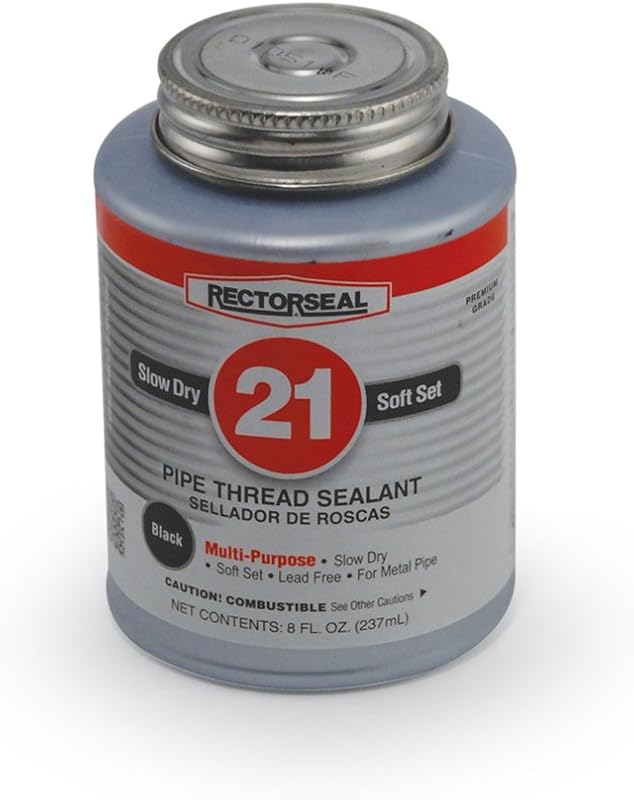 |
RectorSeal No. 21 Pipe Sealant | Best overall performance for heavy-duty applications. | View on Amazon |
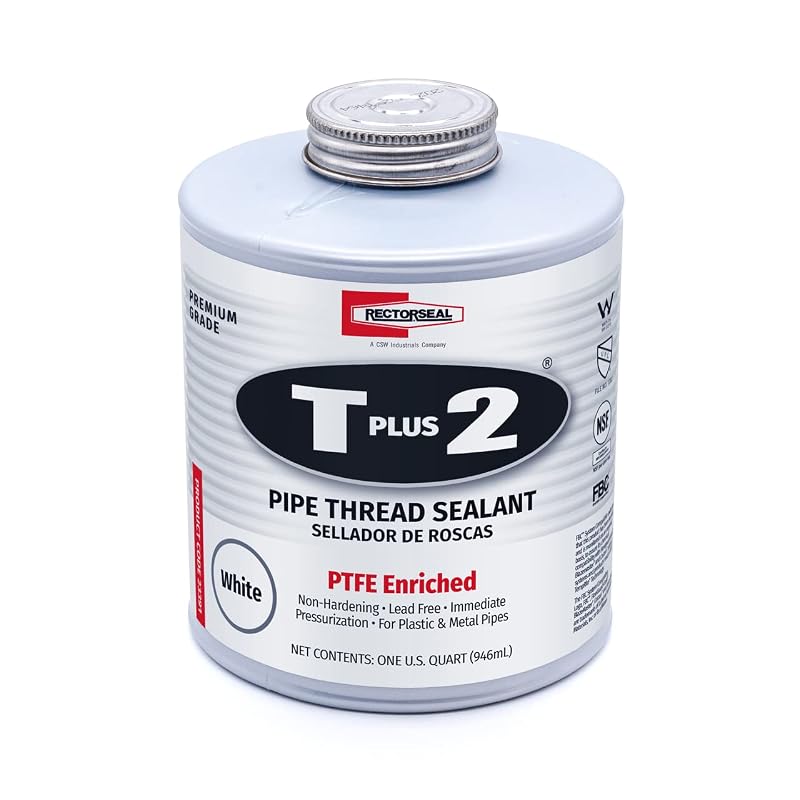 |
RectorSeal T Plus 2 Sealant | Versatile, non-hardening formula for diverse systems. | View on Amazon |
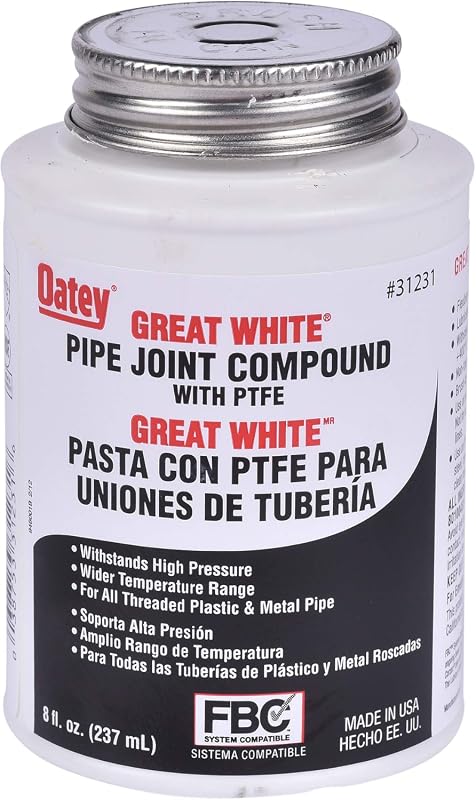 |
Oatey Pipe Joint Compound | Reliable budget-friendly choice with brush applicator. | View on Amazon |
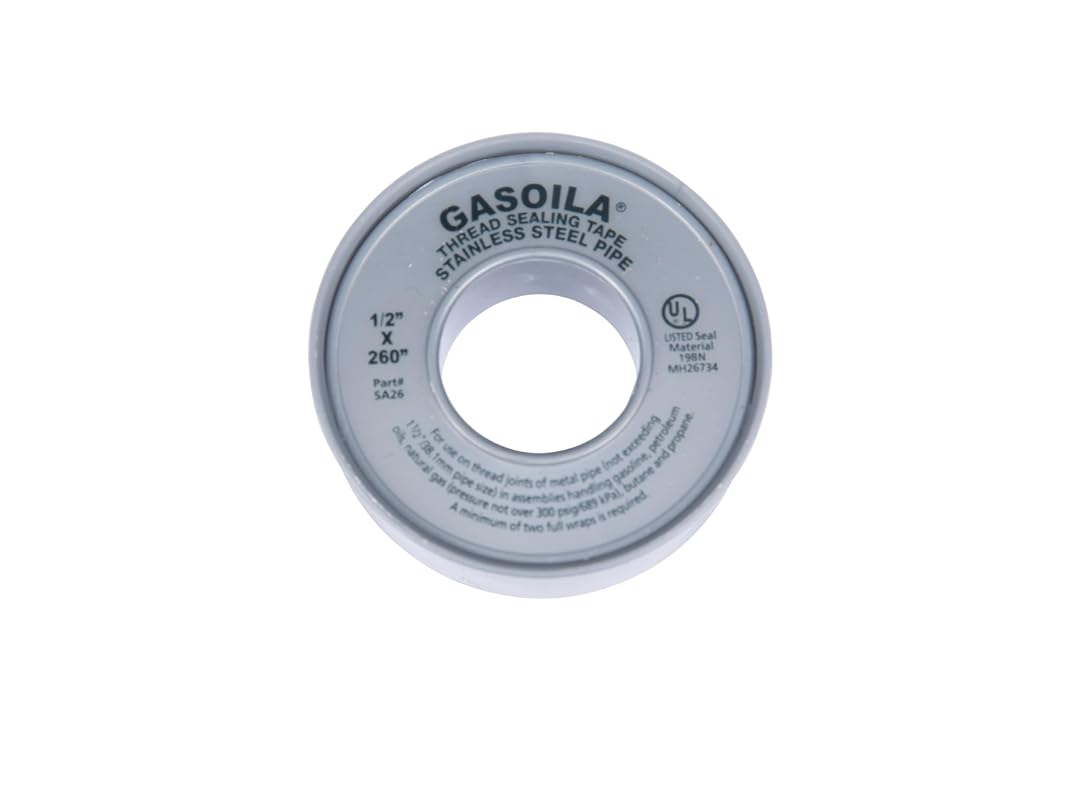 |
Gasoila Nickel PTFE Tape | High-density tape for specialized stainless joints. | View on Amazon |
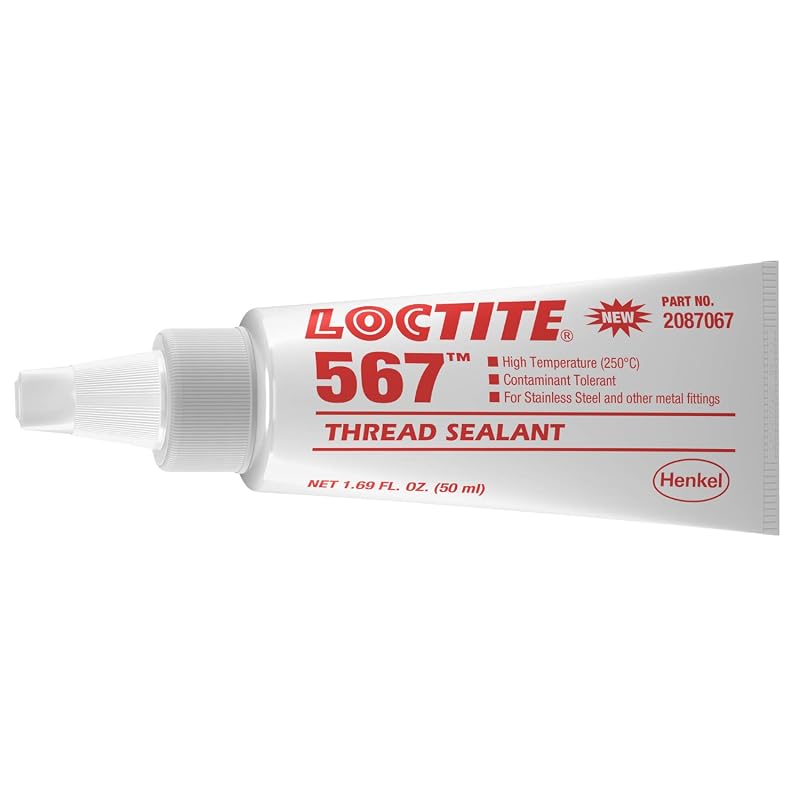 |
Loctite 567 Thread Sealant | High-temperature industrial performance. | View on Amazon |
Our Top 5 Best Thread Sealants For Stainless Steel Pipe Reviews – Expert Tested & Recommended
1. RectorSeal No. 21 Pipe Thread Sealant
The RectorSeal No. 21 is a classic, reliable soft-setting sealant. It is perfect for those who want a product that remains flexible and makes future disassembly of stainless steel joints much easier compared to hardening compounds.
Key Features That Stand Out
- ✓ Slow-drying, soft-set formula prevents cracking over time.
- ✓ Reduces thread friction, which is vital for preventing stainless steel galling.
- ✓ Built-in applicator in the lid for quick, mess-free use.
- ✓ Compatible with a wide variety of piping materials including stainless steel.
Why We Recommend It
We love this for general maintenance because it doesn’t set hard, allowing for easy adjustments. It provides a robust seal that holds up under pressure while keeping your threads protected from corrosion.
Best For
Plumbers and DIY enthusiasts looking for a dependable, easy-to-use sealant for everyday stainless steel plumbing projects.
Pros and Cons at a Glance
2. RectorSeal T Plus 2 Sealant
RectorSeal T Plus 2 features added PTFE (Teflon) to provide an extra layer of lubrication and sealing power. It is a highly versatile, non-hardening compound that performs exceptionally well across various industrial and home plumbing applications.
Key Features That Stand Out
- ✓ Enriched with PTFE for superior thread lubrication.
- ✓ Stays flexible, even in changing temperatures.
- ✓ Safe for use with potable water systems.
- ✓ Excellent adhesion to stainless steel surfaces.
Why We Recommend It
If you need one product that works for everything, this is it. It combines the reliability of a high-quality sealant with the added benefits of PTFE, making it a gold standard for professional contractors.
Best For
Professionals and serious hobbyists who need a versatile, long-lasting sealant for both metal and plastic piping systems.
Pros and Cons at a Glance
3. Oatey Pipe Joint Compound
The Oatey Pipe Joint Compound is an affordable, high-performance solution. Its non-toxic, non-hardening, and PTFE-fortified formula makes it an excellent choice for a variety of pressurized systems.
Key Features That Stand Out
- ✓ Extremely budget-friendly while maintaining professional performance.
- ✓ High pressure rating: up to 3,000 PSI for gases and 10,000 PSI for liquids.
- ✓ Integrated brush makes application simple and clean.
- ✓ Withstands a wide temperature range for versatility.
Why We Recommend It
We believe everyone should have a jar of this in their toolbox. It’s effective, cheap, and gets the job done without any complicated setup or expensive price tag.
Best For
Homeowners and DIYers looking for a high-value, reliable sealant for common household plumbing tasks.
Pros and Cons at a Glance
4. Gasoila Nickel PTFE Thread Seal Tape
Gasoila Nickel PTFE Tape is a specialized high-density tape designed specifically for stainless steel fittings. Unlike standard thin white tapes, this nickel-infused tape provides the durability needed to prevent galling.
Key Features That Stand Out
- ✓ High-density professional grade construction.
- ✓ Specifically engineered for stainless steel.
- ✓ Resistant to harsh chemicals and corrosion.
- ✓ Prevents leaks in gas, air, and water lines.
Why We Recommend It
We recommend this if you prefer tape over paste. It is incredibly robust and prevents the common issues associated with stainless steel connections, making it a “must-have” for any stainless steel installation.
Best For
Professional installers and heavy-duty industrial applications where a leak-proof, chemical-resistant seal is required.
Pros and Cons at a Glance
5. Loctite 567 Thread Sealant
Loctite 567 is the industry leader when it comes to high-temperature industrial pipe fittings. It provides a reliable seal that cures to lock the threads, ensuring zero vibration loosening.
Key Features That Stand Out
- ✓ High-temperature resistance for demanding environments.
- ✓ Instant low-pressure seal after assembly.
- ✓ Cures to provide a secure, vibration-resistant connection.
- ✓ Perfect for heavy-duty industrial stainless steel pipes.
Why We Recommend It
When you need a professional-grade product that won’t budge, 567 is the go-to. It offers a secure fit that is common in high-end machinery and industrial plumbing setups.
Best For
Engineers and professionals dealing with high-heat or high-vibration systems where failure is not an option.
Pros and Cons at a Glance
Complete Buying Guide for Thread Sealants For Stainless Steel Pipe
Essential Factors We Consider
When selecting a sealant for stainless steel, the most critical factor is the prevention of galling. Stainless steel has a natural oxide layer that can be rubbed off during assembly, causing metal-to-metal contact that seizes the threads. A good sealant should offer excellent lubricity to prevent this friction. Additionally, consider temperature ratings and pressure handling capabilities to match your specific system needs.
Budget Planning
You don’t always need the most expensive industrial compound to get a reliable result. For home plumbing, basic compounds like the Oatey product work perfectly fine. If you are dealing with high-heat, high-pressure, or vibration-prone industrial setups, investing in specialized products like Loctite 567 is worth the extra cost to avoid costly leaks and downtime.
Final Thoughts
Choosing the best thread sealant for your stainless steel project ultimately comes down to your specific application requirements. Whether you need a flexible, easy-to-remove compound or a high-strength permanent solution, one of the products on this list will serve you well. Always ensure your threads are clean and free of debris before applying any sealant for the best possible seal.
Frequently Asked Questions
Q: Why is stainless steel prone to galling?
A: Galling occurs because stainless steel is a relatively soft metal that can easily deform under the pressure of tightening threads. Once the protective oxide layer is breached, the metal surfaces can weld together. Proper lubrication is key to preventing this.
Q: Can I use standard Teflon tape on stainless steel?
A: While standard white Teflon tape may work, it is often too thin for the high-pressure needs of stainless steel pipe systems. Using high-density or nickel-infused tape is significantly more effective at preventing leaks and seizing.
Q: Is it better to use a liquid sealant or tape?
A: It depends on your preference. Liquid sealants (pastes) fill the gaps between threads more comprehensively, while tape is cleaner and faster to apply. Pastes are generally preferred for industrial environments, whereas tape is popular for quick, clean home repairs.