
Sealants for cast iron pipes help prevent leaks, close threaded connections, and protect plumbing joints when the correct product is used for the application. The best choice depends on whether the pipe carries drain waste, vent gases, or pressurized water. Compatibility with cast iron, operating conditions, and the type of joint are essential factors when selecting a sealant.
Plumbing-grade thread sealants, anaerobic pipe compounds, approved silicone sealants, and specialized repair products serve different purposes. Thread compounds are intended for compatible threaded connections, while silicone products may suit certain non-pressurized sealing applications. Cast iron drainage systems may instead require rubber couplings, compression gaskets, or replacement joint components rather than surface-applied sealant.
Identify the pipe’s function and joint design before choosing a product. Check pressure and temperature ratings, curing requirements, and manufacturer compatibility instructions. Never rely on ordinary sealant to repair a cracked pipe or an unsuitable joint. For drain connections, use approved fittings and gaskets, and consult a licensed plumber when leaks involve concealed pipes, sewage, or significant corrosion.
6 Best Sealants For Cast Iron Pipe
| Image | Title | Best For | Link |
|---|---|---|---|
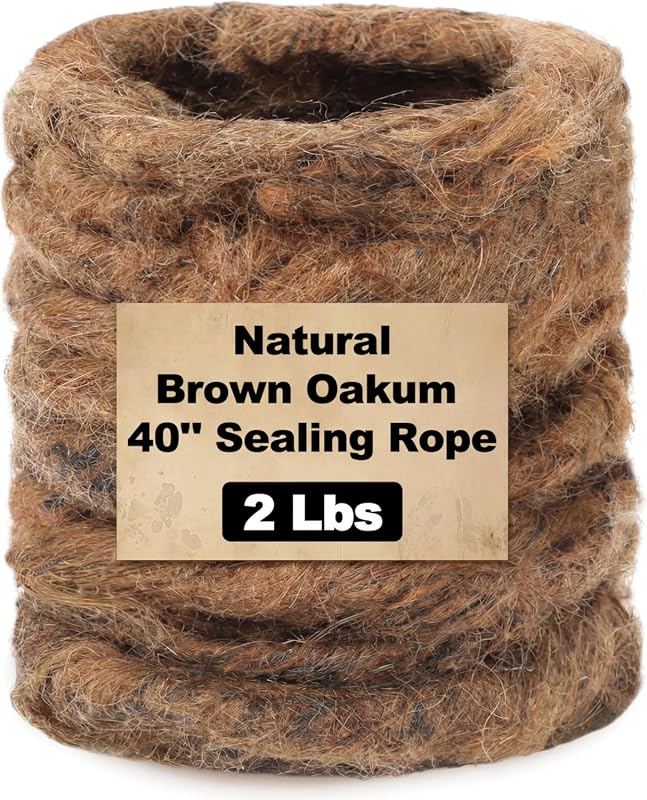 |
Brown Oakum Rope 2 Lbs | Traditional heavy-duty sealing for hub and spigot joints. | View on Amazon |
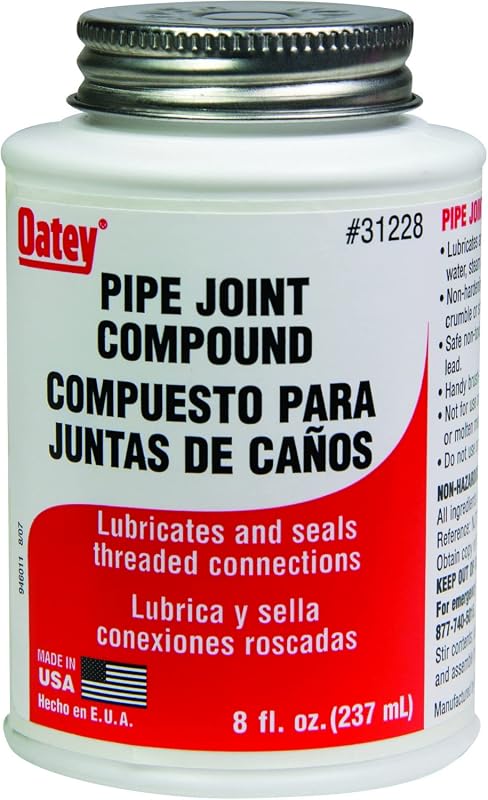 |
Oatey 31228 Sealant | Professional-grade gray pipe thread sealant. | View on Amazon |
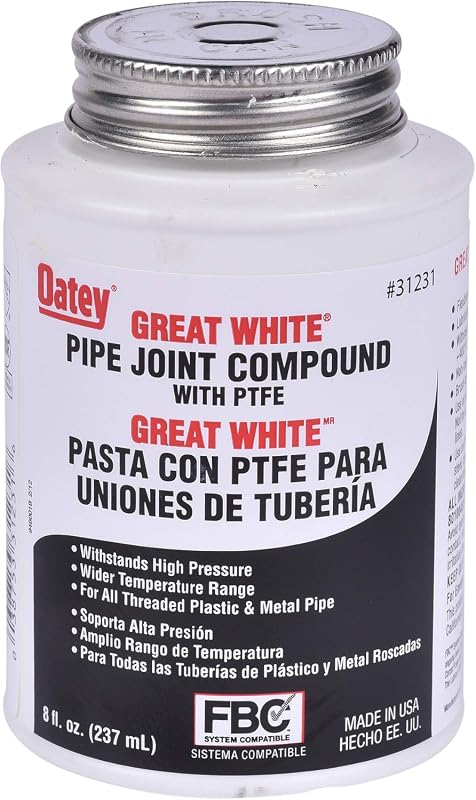 |
Oatey 31231 Compound | PTFE enriched formula for versatile plumbing use. | View on Amazon |
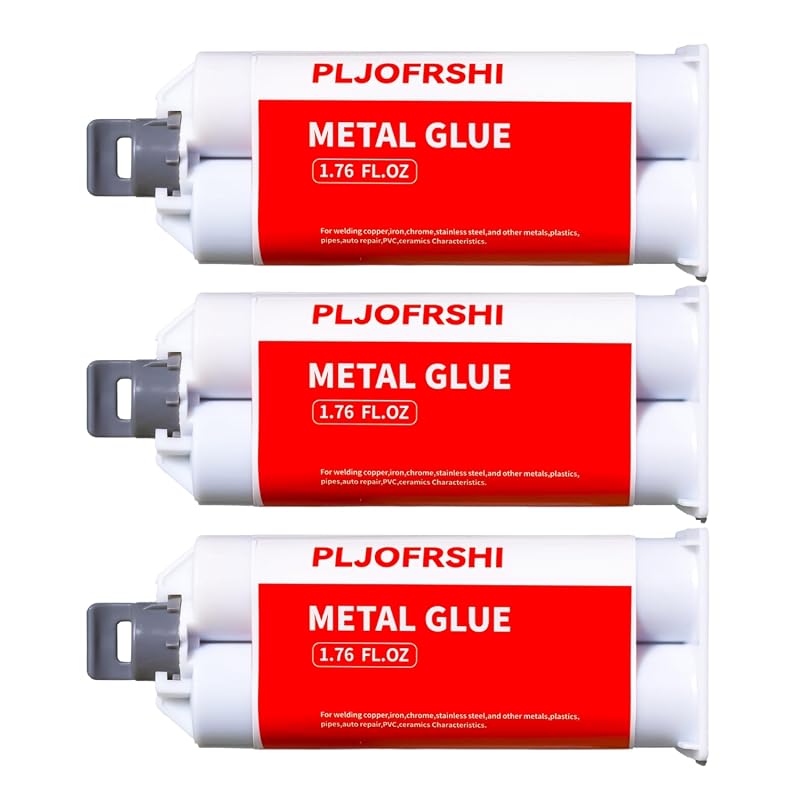 |
Metal Glue Repair Kit | Epoxy-based repairs for cracks and pinholes. | View on Amazon |
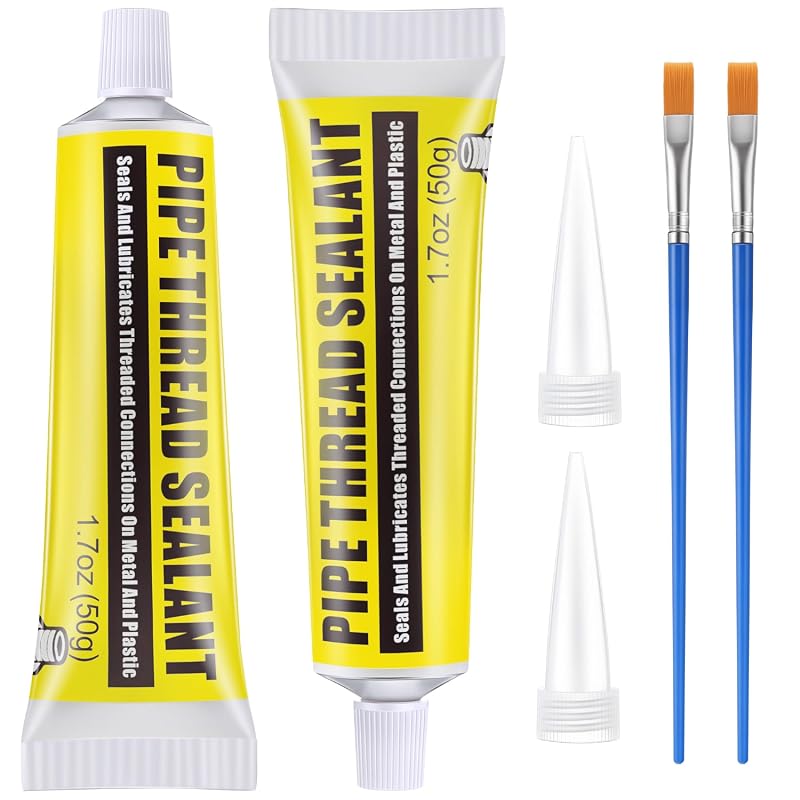 |
Threlaco Soft Set | Temperature-resistant non-hardening paste. | View on Amazon |
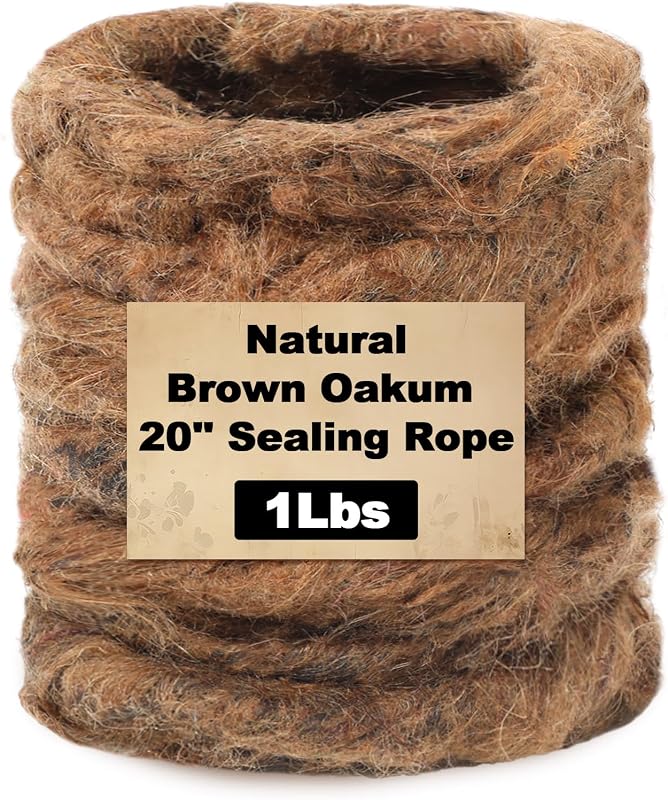 |
Brown Oakum Rope 1 Lb | Small scale plumbing and sealing projects. | View on Amazon |
Our Top 6 Best Sealants For Cast Iron Pipe Reviews – Expert Tested & Recommended
1. Brown Oakum Rope 2 Lbs
If you are dealing with traditional hub and spigot cast iron joints, this brown oakum rope is the gold standard. It uses natural jute fibers that expand when they get wet, creating a tight, reliable seal that holds up for years.
Key Features That Stand Out
- ✓ Made from high-quality natural jute fibers
- ✓ Expands upon moisture contact for a better seal
- ✓ Chemical-free and environmentally friendly
- ✓ Generous 2-pound size for larger projects
Why We Recommend It
We recommend this because it is the tried-and-true method for historic pipe repair. It offers a natural, durable solution that avoids synthetic fillers, making it safer for older plumbing systems.
Best For
Ideal for master plumbers and serious DIYers performing traditional cast iron soil pipe sealing.
Pros and Cons at a Glance
2. Oatey 31228 Pipe Thread Sealant
Oatey is a household name for a reason. Their 31228 gray pipe thread sealant is designed for those moments when you need a reliable seal that is easy to apply and built to last.
Key Features That Stand Out
- ✓ Comes with a convenient brush-top applicator
- ✓ Professional-grade gray paste formula
- ✓ Highly durable for long-term plumbing maintenance
- ✓ Made in the United States
Why We Recommend It
It takes the guesswork out of plumbing. You simply open the can, use the brush, and apply. It is consistent, reliable, and exactly what you need for a quick repair on metal fittings.
Best For
Standard metal pipe thread repairs and general plumbing maintenance in residential homes.
Pros and Cons at a Glance
3. Oatey 31231 Pipe Joint Compound
If you need something that performs well under pressure without breaking the bank, this PTFE-infused compound is a top-tier choice. It is non-toxic and stays workable, ensuring your joints remain sealed even under varying temperatures.
Key Features That Stand Out
- ✓ Contains PTFE for enhanced lubrication and sealing
- ✓ Withstands high pressure for both gas and liquids
- ✓ Non-hardening and non-separating paste
- ✓ Integrated brush makes application clean and easy
Why We Recommend It
This is a versatile tool for your workshop. It handles a wide range of temperatures and pressures, making it suitable for both high-end repairs and simple home fixes.
Best For
General-purpose plumbing where both sealing and ease of future disassembly are required.
Pros and Cons at a Glance
4. Metal Glue Muffler Repair Kit
Sometimes you need more than a paste—you need an epoxy adhesive to patch a pinhole or a crack in your cast iron. This heavy-duty metal glue is perfect for structural reinforcement and sealing.
Key Features That Stand Out
- ✓ Two-component formula for high-strength bonding
- ✓ Excellent high-temperature resistance
- ✓ Versatile application on metal, ceramic, and plastic
- ✓ Strong adhesion and high hardness after curing
Why We Recommend It
When you have a localized crack in a pipe that is difficult to replace, this epoxy provides a structural repair that stops leaks and reinforces the metal. It is incredibly tough and reliable.
Best For
Repairing cracks, pinholes, and structural weaknesses in cast iron or other metal fixtures.
Pros and Cons at a Glance
5. Threlaco Soft Set Pipe Sealant
For plumbing environments that deal with high heat, this non-hardening paste is ideal. It flexes with the pipe, meaning vibrations won’t cause the seal to crack or fail.
Key Features That Stand Out
- ✓ Wide operating temperature range (-100°F to 600°F)
- ✓ Flexible, non-hardening consistency
- ✓ Compatible with various metals and plastics
- ✓ Excellent protection against vibration-related leaks
Why We Recommend It
It is the go-to for complex systems where pipes might expand or shift slightly. Its ability to remain flexible makes it perfect for long-term reliability in difficult-to-reach areas.
Best For
Plumbing systems subject to high vibration and extreme temperature changes.
Pros and Cons at a Glance
6. Brown Oakum Rope 1 Lb
Similar to our top pick, this 1-pound oakum rope is perfectly sized for smaller home repairs where you don’t need a huge bulk supply. It provides the same excellent sealing power for cast iron joints.
Key Features That Stand Out
- ✓ Perfect size for small or one-off plumbing projects
- ✓ Natural jute fibers swell to create a watertight seal
- ✓ Environmentally safe and chemical-free
- ✓ Easy to handle and pack into tight joints
Why We Recommend It
If you have a minor leak in a hub-and-spigot connection, you don’t need a massive spool. This 1-pound option is cost-effective and provides enough material to get the job done without waste.
Best For
Small-scale plumbing repairs on older cast iron pipe systems.
Pros and Cons at a Glance
Complete Buying Guide for Best Sealants For Cast Iron Pipe
Essential Factors We Consider
When searching for the best sealant for cast iron pipe, you need to consider the pipe joint type. For traditional hub-and-spigot pipes, oakum rope is the industry standard. For threaded pipes or pinhole cracks, you should lean toward high-quality pipe thread sealants or epoxy-based adhesives. Durability, temperature resistance, and ease of application are the three main pillars of a successful repair.
Budget Planning
You do not have to spend a fortune to get a high-quality seal. Basic pipe thread compounds are very affordable, while specialized epoxies might cost a bit more. Always keep in mind that buying the right product the first time is cheaper than cleaning up after a recurring leak.
Final Thoughts
Choosing the right sealant for your cast iron project depends entirely on the type of leak you are facing. Whether you choose the traditional reliability of oakum rope or the modern convenience of a thread-sealing compound, ensure you follow the manufacturer’s instructions for surface preparation to guarantee a long-lasting, leak-free fix.
Frequently Asked Questions
Q: Can I use standard PVC glue on cast iron pipes?
A: No. PVC glue is specifically formulated for plastic pipes and will not form a proper chemical or mechanical bond with cast iron. Always use products rated for metal and iron.
Q: How do I know if I need oakum or a sealant paste?
A: Oakum is used for filling voids in hub-and-spigot joints. Sealant pastes are used for threaded connections or as a secondary sealant for threaded fittings.
Q: Is it safe to use epoxy on a pressurized water line?
A: Most metal repair epoxies can handle pressure, but you must ensure it is fully cured before turning the water back on. Always check the specific PSI rating on the product label.