Engineers use calipers to measure outside dimensions, inside dimensions, depths, and step measurements. A reliable caliper can help with machining, product design, prototyping, inspection, and workshop projects. Digital calipers offer quick readings and easy unit conversion, while vernier and dial models provide useful alternatives for different work environments.
Accuracy matters more than display resolution alone. A caliper may show measurements in 0.01 mm or 0.0005-inch increments, but that does not mean it can measure with that same level of accuracy. Engineers should also consider the measuring range, jaw design, build quality, repeatability, calibration, and protection against dust or moisture. IP-rated models can suit demanding workshop conditions, while data-output features can help with measurement records and inspection work.
This guide covers five of the best calipers for engineers for different measurement tasks and work environments. We considered measurement accuracy, resolution, range, construction, durability, ease of use, protection ratings, and useful features. These picks can help you choose a dependable precision tool for engineering, machining, prototyping, and inspection work.
5 Best Calipers For Engineers
| Image | Title | Best For | Link |
|---|---|---|---|
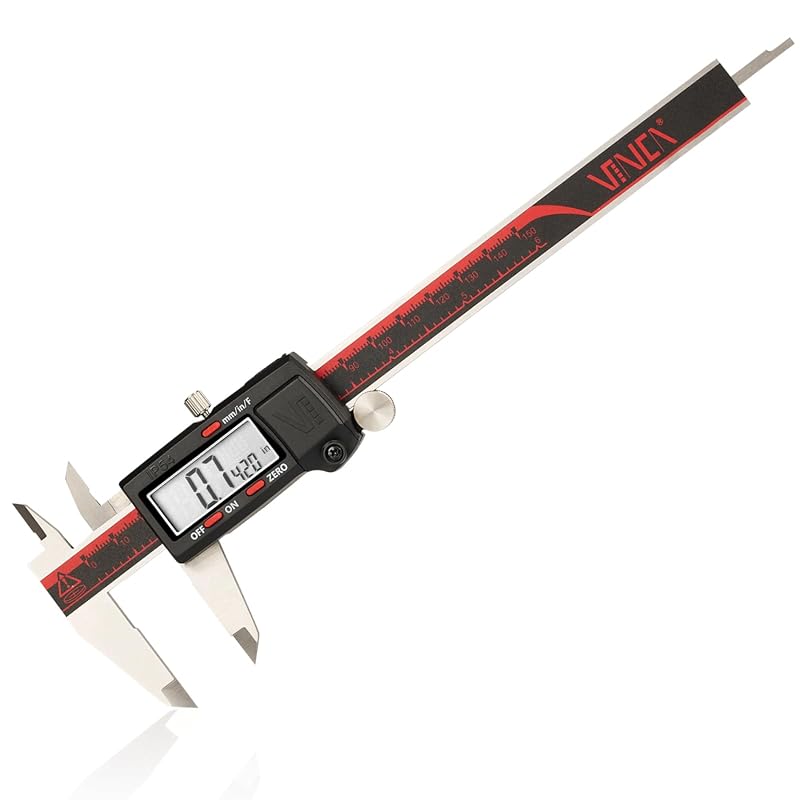 |
VINCA DCLA-0605 Digital Caliper | Best overall choice for high-precision engineering tasks. | View on Amazon |
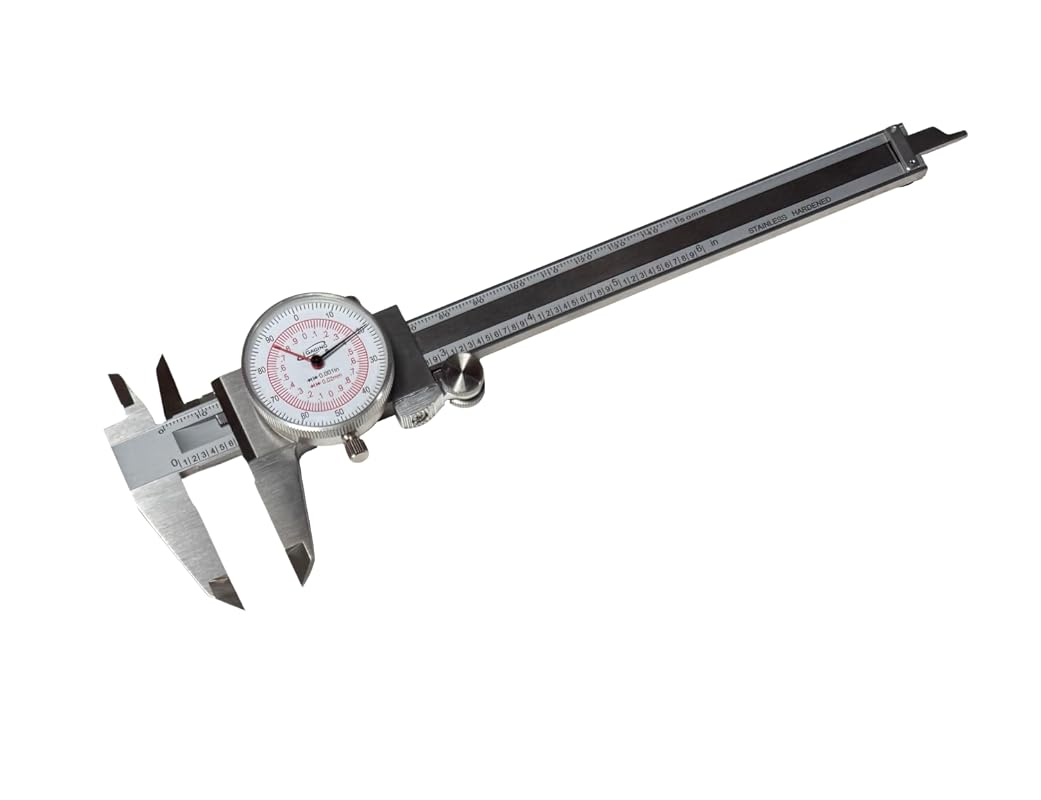 |
iGAGING 6-Inch Dial Caliper | Perfect for those who prefer reliable analog dial readings. | View on Amazon |
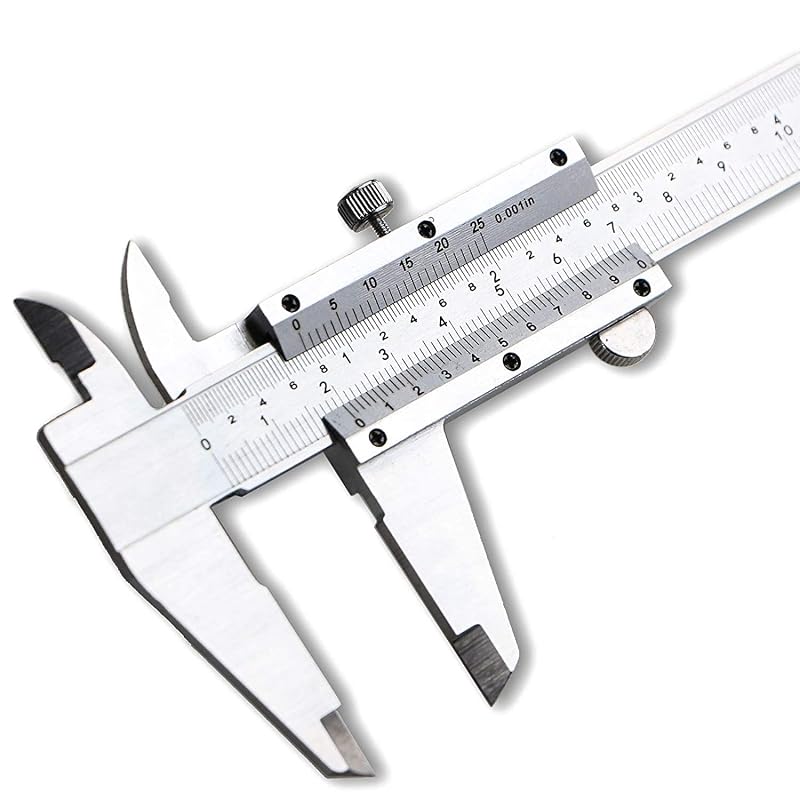 |
Spurtar 6-Inch Vernier Caliper | Reliable budget-friendly manual measurement solution. | View on Amazon |
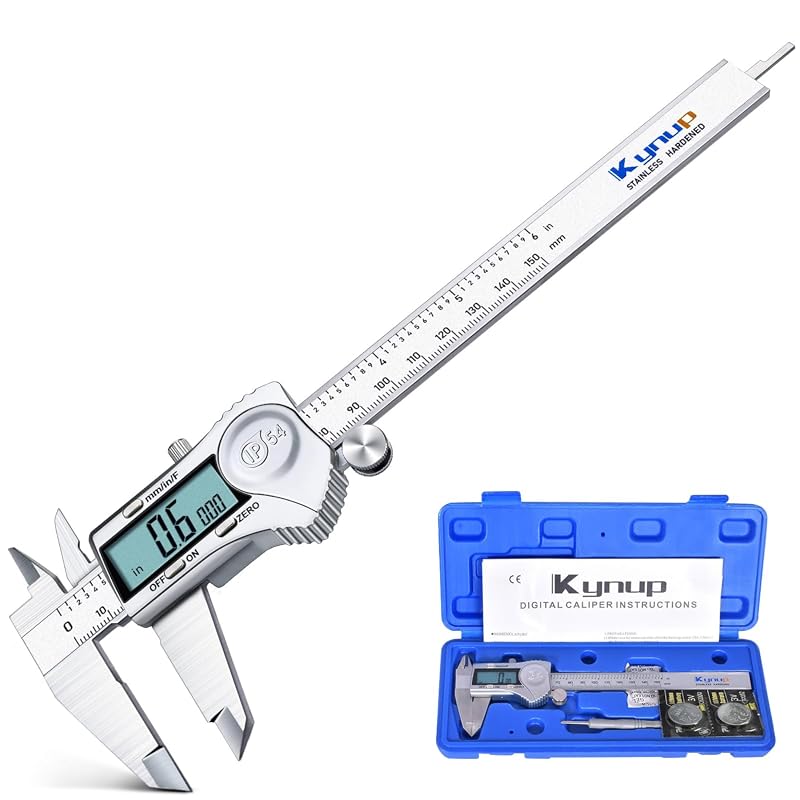 |
Kynup Digital Micrometer Caliper | High-precision measurements for professional projects. | View on Amazon |
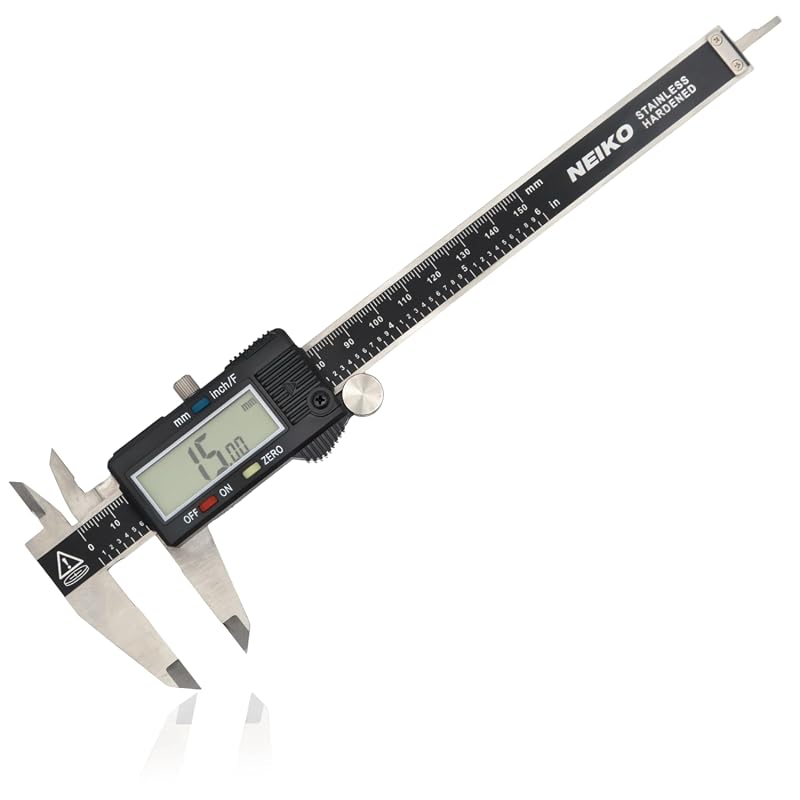 |
NEIKO 01407A Digital Caliper | Great all-rounder with intuitive quick-change functionality. | View on Amazon |
Our Top 5 Best Calipers For Engineers Reviews – Expert Tested & Recommended
1. VINCA DCLA-0605 Digital Caliper
The VINCA DCLA-0605 is widely regarded as one of the best calipers for engineers who demand consistent accuracy. Its robust stainless steel construction combined with a high-precision glass scale makes it a reliable companion in any workshop.
Key Features That Stand Out
- ✓ Advanced glass scale for superior measurement stability
- ✓ Instant conversion between inches, millimeters, and fractions
- ✓ IP54 protection against dust and fluid splashes
- ✓ Large, high-visibility LCD screen for easy reading
Why We Recommend It
We love this tool because it feels substantial in the hand and provides repeatable results every time you slide the jaw. It is a workhorse that handles the rigors of a professional environment without missing a beat.
Best For
Ideal for professional engineers and machinists who require a durable, high-accuracy tool for daily measurements.
Pros and Cons at a Glance
2. iGAGING 6-Inch Dial Caliper
For those who prefer a mechanical feel, the iGAGING 6-inch dial caliper is a fantastic alternative. Many engineers still trust dial calipers because they never run out of batteries, offering an immediate, clear reading at a glance.
Key Features That Stand Out
- ✓ Dual reading scale for both metric and imperial units
- ✓ Large, high-contrast dial face
- ✓ Smooth, shock-proof rack and pinion mechanism
- ✓ Precise graduations down to 0.001 inch
Why We Recommend It
This is the perfect tool for shops where batteries might get lost or forgotten. The movement is smooth, and the dial face is easy to read, making it a reliable choice for quick checks during fabrication.
Best For
Engineers and makers who appreciate the simplicity and dependability of a battery-free analog measuring tool.
Pros and Cons at a Glance
3. Spurtar 6-Inch Vernier Caliper
If you are a student or someone just setting up their first home garage, the Spurtar 6-Inch Vernier Caliper is a sensible, low-cost investment. It gets the job done without any unnecessary frills.
Key Features That Stand Out
- ✓ Traditional vernier scale for fundamental measurement practice
- ✓ Solid steel construction
- ✓ Easy to carry for fieldwork
- ✓ Highly durable design
Why We Recommend It
This tool is excellent for developing the skill of reading a vernier scale. It’s inexpensive enough to keep in your toolbox without worry and durable enough for basic projects.
Best For
Beginners, students, and hobbyists needing an affordable way to start measuring accurately.
Pros and Cons at a Glance
4. Kynup Digital Micrometer Caliper
The Kynup Digital Caliper feels like a professional-grade tool. With its polished stainless steel body and high-precision sensors, it is built to handle detailed engineering tasks with ease.
Key Features That Stand Out
- ✓ Accuracy up to ±0.001 inch
- ✓ Oversized, easy-to-read LCD screen
- ✓ Three measurement modes for ultimate flexibility
- ✓ Heavy-duty polished stainless steel frame
Why We Recommend It
The screen clarity is the real winner here. Even in low-light shop environments, the display remains readable, reducing eye strain during long inspection sessions.
Best For
Professional engineers or serious home designers needing extreme precision.
Pros and Cons at a Glance
5. NEIKO 01407A Digital Caliper
The NEIKO 01407A is a staple in many home workshops. It offers a great balance of features, including a quick-change button for switching between units on the fly.
Key Features That Stand Out
- ✓ Quick-change between inch, fraction, and millimeter
- ✓ Stainless steel construction
- ✓ Knurled thumb roller for fine adjustment
- ✓ Large, clear LCD display
Why We Recommend It
The ability to instantly change units is a huge time-saver. If your project involves a mix of legacy SAE measurements and modern metric designs, this tool handles it effortlessly.
Best For
General-purpose engineering tasks and home DIY projects where unit flexibility is a priority.
Pros and Cons at a Glance
Complete Buying Guide for Best Calipers For Engineers
Essential Factors We Consider
When searching for the best calipers for engineers, consider the material quality. Stainless steel is standard for professional use because it resists wear and tear. You should also look for high-resolution displays and a smooth jaw action, as these features dictate how efficiently you can work.
Budget Planning
Calipers are available at many price points. While a budget model may be perfect for quick checks around the house, a professional-grade unit with a glass scale or advanced protection rating is worth the extra investment if you rely on it for your engineering career.
Final Thoughts
Ultimately, your choice depends on whether you value the convenience of digital displays or the long-term reliability of analog tools. By selecting one of these top-rated models, you are equipping yourself with a tool that will serve you well for years.
Frequently Asked Questions
Q: Do I need a digital or dial caliper?
A: It depends on your preference. Digital calipers are easier to read and offer unit conversion, while dial calipers don’t rely on batteries and offer a traditional tactile experience.
Q: How do I maintain my calipers?
A: Keep them clean and dry. Use a light coating of machine oil to prevent rust and always store them in their protective case when not in use.
Q: Can I use these for professional engineering work?
A: Yes, models like the VINCA or Kynup are designed to meet professional standards of accuracy for most general engineering applications.
Q: What does “IP54” mean?
A: It refers to the protection rating of the electronic components, meaning the caliper is protected against splashes of water and limited dust ingress.