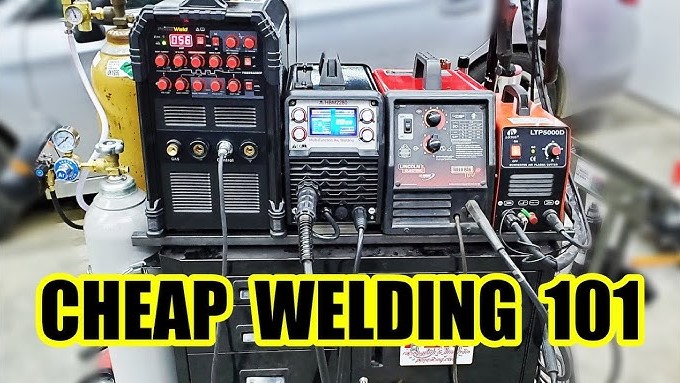
Choosing the right welder depends entirely on your specific projects, budget, and skill level. Whether you are a hobbyist fixing gates or an aspiring pro building custom frames, understanding the differences between MIG, TIG, and Stick welding is essential to making a smart investment in 2026.
So, you’ve finally decided to stop borrowing your neighbor’s equipment and start your own workshop. That is a huge step! But as you look at the sea of blue, red, and yellow machines online, the question hits you: what type of welder should I buy? It is a common dilemma, and in 2026, the technology has advanced so much that the choices can feel overwhelming.
The truth is, there isn’t one “perfect” welder for everyone. The best welder for a sculptor is very different from the best welder for someone repairing a trailer. To find the right fit, you have to think about what you actually want to build. By understanding the core technologies and matching them to your goals, you can save a lot of money and avoid a major headache down the road.
Key Takeaways
- MIG is beginner-friendly: It is the best starting point for most home garage projects due to its ease of use and speed.
- TIG offers precision: If you want to weld thin metal or achieve beautiful, clean beads, TIG is the way to go.
- Stick welding is rugged: This method is ideal for outdoor projects or dirty, rusty metal where gas-shielded processes struggle.
- Power matters: Always check your shop’s electrical supply to ensure your new machine can actually run in your workspace.
- Budget for accessories: The price of the machine is just the start; always set aside money for a helmet, gloves, and consumables.
- Multi-process units: Modern 2026 machines often combine multiple welding styles, offering more value for your money.
Understanding the Three Big Welding Processes
To answer what type of welder should I buy, we have to look at the “Big Three” methods: MIG, TIG, and Stick. These are the foundation of almost every welding shop in the world. Each one has a personality, a set of strengths, and a list of limitations.
MIG Welding: The “Point and Shoot” Method
MIG (Metal Inert Gas) welding is the gold standard for beginners. It works by feeding a wire through a gun automatically. It is a lot like using a hot glue gun. You just pull the trigger and move the torch. It is fast, efficient, and great for thicker metals. If you are building a workbench or fixing a car chassis, this is your best friend.
TIG Welding: The Artist’s Choice
TIG (Tungsten Inert Gas) welding is the exact opposite of MIG. It is slow, methodical, and requires a lot of coordination. You hold a torch in one hand and feed a filler rod with the other. In 2026, TIG welders have become incredibly sophisticated with digital controls. If you are interested in artistic metalwork, bicycle frames, or working with aluminum and stainless steel, TIG is the professional choice.
Stick Welding: The Outdoor Workhorse
Stick welding, or Shielded Metal Arc Welding (SMAW), is the old-school hero. It doesn’t need gas bottles, which makes it perfect for outdoor work where the wind would blow away your shielding gas. It is tough, can weld through rust or paint, and is cheap to maintain. If you have a farm or spend time working on heavy equipment, you cannot go wrong with a reliable stick welder.
Evaluating Your Power Requirements
One of the biggest mistakes new welders make is ignoring their home’s electrical setup. Before you ask yourself what type of welder should I buy, walk over to your breaker box. Most home garages are equipped with standard 120V outlets. However, many professional-grade welders require 240V power—the same kind used by your clothes dryer.
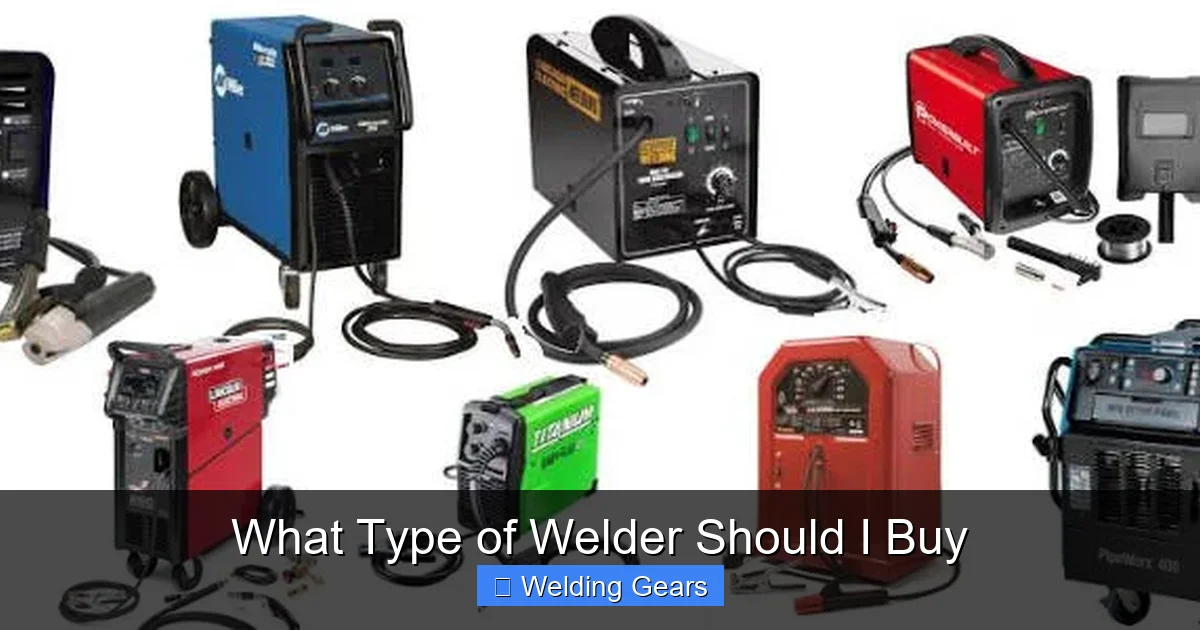
Visual guide about What Type of Welder Should I Buy
Image source: mechanicalelements.com
The 120V vs. 240V Debate
If you only have access to 120V, you will be limited in the thickness of the metal you can weld. For a DIY hobbyist, a 120V MIG welder is usually plenty for metal up to 1/8 inch thick. If you plan on working on heavy-duty projects like structural steel or thick plates, you will absolutely need a 240V machine.
Multi-Voltage Machines in 2026
Thankfully, the 2026 market is full of “dual-voltage” welders. These machines come with adapters that let you plug into a normal wall outlet for light work or switch to a high-voltage outlet for heavy work. They provide the ultimate flexibility for anyone who isn’t sure how their needs will evolve over the next few years.
Choosing Based on Your Project Goals
The best way to decide what type of welder should I buy is to look at your “project list.” Are you trying to restore a vintage car? Do you want to build custom furniture? Are you fixing broken lawn equipment?
Welding for Automotive Projects
For car bodywork, thin sheet metal is the name of the game. You don’t want a machine that burns holes through your door panel. A MIG welder with a good “low-amperage” setting is essential here. Many 2026 MIG machines offer pulse features that help prevent burn-through, making them perfect for auto enthusiasts.
Welding for Home DIY and Repairs
If you are mostly doing “fix-it” tasks around the house, a simple 140-amp MIG or a stick welder will do almost everything you need. Stick welding is particularly good for outdoor repairs where you don’t want to drag around a cart full of gas cylinders.
The Rise of Multi-Process Welders
If you are truly stuck, look at multi-process welders. These machines are the “Swiss Army Knives” of the welding world. They allow you to swap settings to switch between MIG, TIG, and Stick modes. While they cost a bit more upfront, they are a fantastic investment because they allow you to learn all three skills on a single piece of equipment.
The Hidden Costs of Welding
When you ask what type of welder should I buy, you have to remember that the machine is only one part of the cost. A welder is useless without the right safety gear and accessories. You should always set aside a portion of your budget for the “extras.”
Safety First
Never skimp on your helmet. In 2026, auto-darkening helmets are standard and much more affordable than they used to be. A good helmet protects your eyes from harmful UV rays and makes it much easier to see your work. You will also need heavy-duty leather welding gloves, a fire-resistant jacket, and steel-toed boots.
Consumables and Gas
MIG welders need wire, tips, and shielding gas (like Argon or CO2). TIG welders need tungsten electrodes, gas, and filler rods. Stick welders need welding rods (electrodes). These costs add up over time, so factor them into your hobby budget. Buying in bulk is usually the smartest way to keep your per-project costs down.
Understanding 2026 Welding Technology
The jump in technology over the last few years has been massive. Modern welders are lighter, smarter, and easier to use than ever before. If you were intimidated by welding five years ago, you will be surprised at how “user-friendly” today’s machines have become.
Digital Interfaces
Gone are the days of guessing your settings with a clunky dial. Most modern welders now feature digital displays that suggest settings based on the thickness of the metal you are using. This takes the guesswork out of the process, which is a massive help for beginners.
Inverter Technology
Almost all modern welders now use “inverter” technology. This makes the machines much smaller and lighter, meaning you can easily move them around your garage or toss them into the back of your truck. They are also much more power-efficient, which keeps your electricity bill down.
Final Thoughts: Taking the Plunge
Asking yourself “what type of welder should I buy” is the first step toward building something truly great. Don’t be afraid to start small. You don’t need a professional-grade industrial welder to make a beautiful, strong weld. You just need a machine that works, a little bit of practice, and a lot of safety gear.
Start with a clear goal for your first project. Whether it’s a simple fire pit or a custom gate, having a specific task in mind will make the decision much easier. Once you have that first machine, you will find that the only thing holding you back from creating amazing things is your own imagination. Get out there, start practicing, and enjoy the sparks!
Frequently Asked Questions
Do I need a professional welder for a home garage?
No, you do not. Most entry-level, hobbyist-grade machines available in 2026 are more than capable of handling home DIY projects, light automotive work, and general household repairs.
Is MIG welding easier to learn than TIG?
Yes, MIG welding is widely considered the easiest process for beginners to learn because the machine handles the wire feed automatically. TIG welding requires a steeper learning curve because you must coordinate both hands simultaneously.
Can I weld aluminum with any welder?
Not necessarily. While some MIG welders can weld aluminum with a “spool gun,” TIG welding is the preferred method for high-quality aluminum work. Always check the machine’s specifications before buying.
How much should I spend on my first welder?
For a reliable entry-level machine, you can expect to pay between $400 and $800. Remember to factor in an additional $200-$300 for safety gear like an auto-darkening helmet, gloves, and a jacket.
Do I need a dedicated 240V outlet?
It depends on the machine you choose. Many 2026 models are “dual-voltage,” meaning they can run on standard 120V household outlets or be adapted for 240V circuits to handle thicker metal.
Is it worth buying a cheap welder from a big-box store?
If you are just starting out, a basic welder is fine, but look for reputable brands that offer parts and support. A machine that is too cheap may lack the stability and features needed to make learning enjoyable, leading to frustration.