
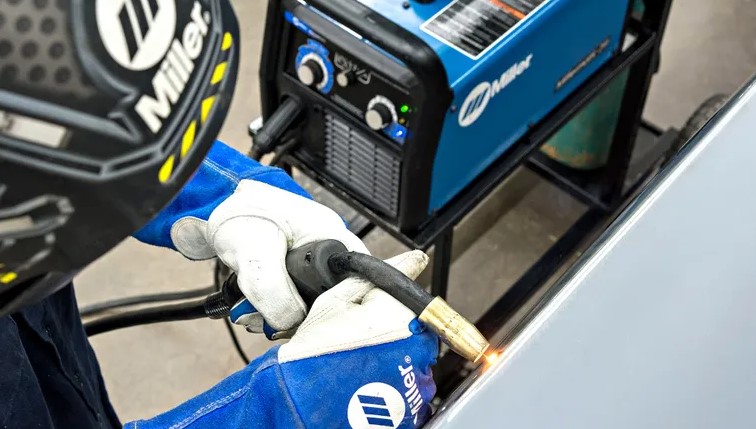
A welding machine is the essential powerhouse that joins metal components together through intense heat and electricity. Whether you are a professional fabricator or a weekend DIY enthusiast, understanding what is welding machine functionality is the first step toward mastering metalwork.
Have you ever looked at a sturdy bridge, a custom car frame, or a delicate piece of metal art and wondered how those pieces stay held together so firmly? The secret is almost always a welding machine. At its simplest, a welding machine is the engine of the fabrication world.
It takes standard electrical power and transforms it into a precise, concentrated blast of heat that melts metal just enough to fuse two separate pieces into one solid, inseparable structure.
In 2026, the technology behind these machines has evolved significantly. While the basic principles of heat and electricity remain, we now see machines that think for themselves, adjusting voltage mid-weld to ensure a perfect bead every time.
Whether you are curious about what is welding machine equipment in a professional shop or just want to learn how to fix your backyard gate, this guide will walk you through everything you need to know.
Key Takeaways
- Core Function: A welding machine converts high-voltage electricity into the specific current needed to melt metal and fuse it permanently.
- Type Diversity: There are four primary types of machines MIG, TIG, Stick, and Flux-Cored each suited for different materials and skill levels.
- 2026 Advancements: Modern machines now feature AI-assisted settings, cloud connectivity for remote diagnostics, and improved energy efficiency.
- Safety First: Operating a welding machine requires strict adherence to PPE protocols, including eye, face, and skin protection.
- Material Compatibility: Choosing the right machine depends on the metal thickness and type, such as aluminum, steel, or stainless steel.
Understanding the Basics of Welding Machines
To really grasp what is welding machine hardware, think of it as a power converter. When you plug a machine into the wall, it takes the standard AC (alternating current) and processes it. Most welding processes require a consistent output, often converted into DC (direct current) or a highly controlled AC waveform. This power travels through a torch or electrode, creating an electrical arc that reaches temperatures high enough to turn solid metal into liquid.
How the Arc Works
The magic happens at the arc. When the electrode touches the metal, it creates a short circuit. The machine maintains this arc by pushing a steady flow of electricity. This flow ionizes the air, creating a plasma stream. This is the heat source that melts your base metal. Without the machine regulating the flow, you would simply be blowing fuses or burning holes in your project.
The Role of Shielding
You cannot talk about what is welding machine gear without mentioning shielding. When metal melts, it reacts violently with the air around it. This creates impurities called slag. Most modern welding machines integrate a gas supply like argon or carbon dioxide or use a special flux-coated wire to create a protective cloud. This cloud keeps the air away while the metal cools, ensuring the final weld is strong and free of cracks.
The Four Main Types of Welding Machines
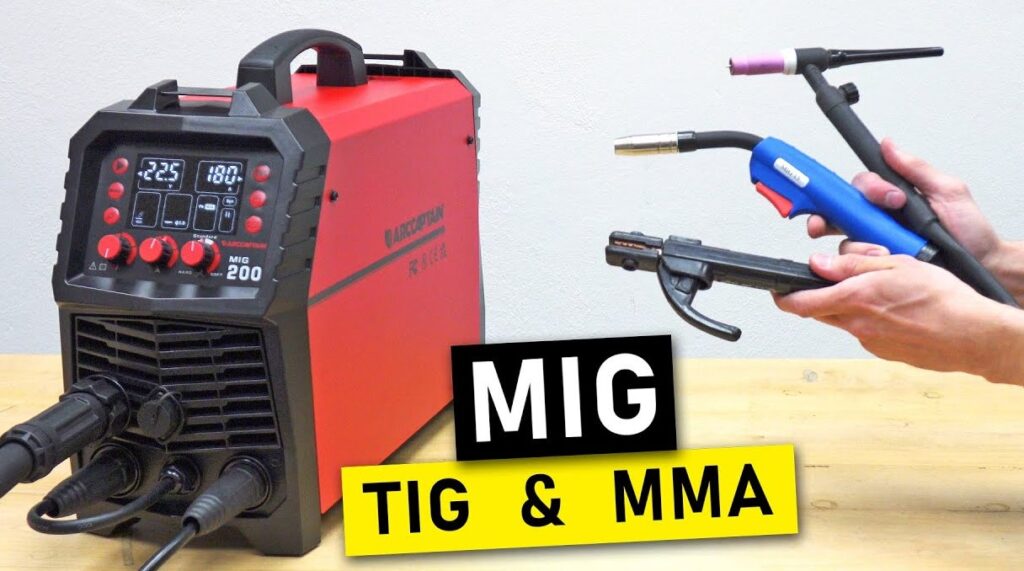
Not all machines are built for the same task. If you ask a pro, “what is welding machine variety like,” they will point you toward these four categories. Each one behaves differently and serves a unique purpose in the workshop.
1. MIG Welding Machines (Gas Metal Arc Welding)
MIG welding is the most popular choice for beginners and pros alike. The machine feeds a wire automatically through a gun. It is like using a hot glue gun but for steel. These machines are versatile and very fast. If you are working on car bodies or furniture, this is your go-to.
2. TIG Welding Machines (Gas Tungsten Arc Welding)
TIG welding is the precision instrument of the group. These machines offer incredible control, allowing for beautiful, artistic welds on thin materials like stainless steel or aluminum. It is a slower process and takes more practice to master. A TIG welding machine is the artist’s choice.
3. Stick Welding Machines (Shielded Metal Arc Welding)
Stick welding is the old reliable method. The machine uses a consumable electrode stick. These machines are rugged and can be used outside, even in windy conditions, because they do not rely on shielding gas. They are perfect for farm repairs and heavy construction.
4. Flux-Cored Welding Machines
Similar to MIG, these machines use a hollow wire filled with flux. You do not need an external gas tank. This makes the machine much more portable. If you are welding outside where the wind would blow away your shielding gas, a flux-cored machine is the perfect answer.
Modern Features of 2026 Welding Technology
If you have been out of the loop for a few years, you might be surprised by what is welding machine tech today. The year 2026 has brought us machines that are smarter, smaller, and safer than ever before. It is not just about raw power anymore; it is about efficiency and ease of use.
Smart Welding and AI
Modern welding machines now feature internal processors that monitor the arc hundreds of times per second. If your hand shakes or the thickness of the metal changes, the machine adjusts the settings instantly to keep the weld consistent. It feels like having a professional mentor standing right behind you.
Cloud Integration and Diagnostics
Many professional shops now use cloud-connected machines. These machines can send data back to your phone, telling you about your duty cycle, power consumption, or even alerting you when a component inside the machine needs maintenance. It makes running a business much easier and reduces downtime significantly.
Safety: The Most Important Part of Your Machine
When you start learning what is welding machine safety, the first rule is always the same: respect the arc. Welding involves high voltages, intense UV radiation, and hot sparks. Never skip your personal protective equipment. A high-quality auto-darkening helmet is essential to protect your eyes from “arc flash,” which feels like having sand in your eyes.
Environment and Ventilation
Welding produces fumes. Always weld in a well-ventilated area or use a fume extractor. A welding machine is only as good as the operator, and you cannot operate effectively if you are breathing in metal vapors. Keep your workspace clean, free of clutter, and away from flammable materials.
Grounding and Electrical Care
Always ensure your work clamp is attached securely to the metal you are welding. A poor ground is the most common reason for a bad weld. Also, make sure your welding machine is plugged into a circuit that can handle the power load. Never bypass safety breakers or use frayed cables.
Choosing Your First Welding Machine
Buying your first machine can be overwhelming. To understand what is welding machine criteria you should look for, consider your goals. Are you fixing a garden chair or building a truck trailer? If you are a beginner, look for a “multiprocess” machine. These units can switch between MIG, TIG, and Stick modes, giving you the chance to experiment without buying three different tools.
Budgeting for the Right Gear
Be careful with the cheapest machines online. A welding machine is a precision tool. A unit with a stable arc will make learning ten times faster. Look for reputable brands that offer good customer support. You want a machine with adjustable voltage and wire speed controls, rather than just simple “high/low” switches.
Consumables and Upkeep
Remember that the machine is just the start. You will need nozzles, tips, contact points, and shielding gas. Budget for these ongoing costs. A well-maintained machine will last for decades, but you have to replace the wear-and-tear parts regularly to keep the weld quality high.
The Future of Welding
As we look forward, the trend is toward automation. We are seeing more compact machines that can fit on a workbench but offer the power of older floor-standing models. The integration of 2026 software means that even hobbyists can now achieve professional-grade results. Welding has moved from a “black art” to a science that is accessible to everyone.
Ultimately, a welding machine is a tool that grants you the power to create. Whether you are repairing something broken or building something brand new, the machine is your partner in the process. The best way to learn what is welding machine capability is to get some scrap metal, a helmet, and start laying some beads.
Conclusion: Learning about welding machines is a journey. It starts with understanding the basic electrical conversion and ends with the satisfaction of a perfect weld. Remember that practice is everything. Start small, stay safe, and enjoy the process of turning electricity into structure. With the right machine and a bit of patience, there is no limit to what you can build.
Frequently Asked Questions
What is the easiest welding machine for a beginner to use?
MIG (Gas Metal Arc Welding) machines are widely considered the easiest for beginners. They provide an automatic wire feed that allows you to focus on your hand speed and torch angle rather than manually adding filler metal.
Do I need a special outlet for a welding machine?
Many smaller, entry-level machines run on standard 120V household outlets. However, more powerful industrial machines usually require a 240V circuit similar to what a clothes dryer uses.
How long does a welding machine last?
With proper care and maintenance, a quality welding machine can easily last 15 to 20 years or more. Keeping the interior free of dust and checking cables for wear are the most important steps to extend its lifespan.
Can I weld aluminum with any machine?
Not all machines are designed for aluminum; you typically need a TIG welder or a MIG machine equipped with a spool gun. Aluminum requires specific shielding gases and a higher level of control due to its heat sensitivity.
What is the “duty cycle” of a welding machine?
The duty cycle refers to the number of minutes out of a 10-minute period that a welder can operate at a specific power setting without overheating. A 60% duty cycle means you can weld for 6 minutes and must let the machine rest for 4 minutes.
Is it safe to weld in my garage?
Yes, but you must ensure excellent ventilation to manage fumes and clear the area of all flammable items like gasoline or rags. Always wear appropriate flame-resistant clothing and proper eye protection to prevent injury.