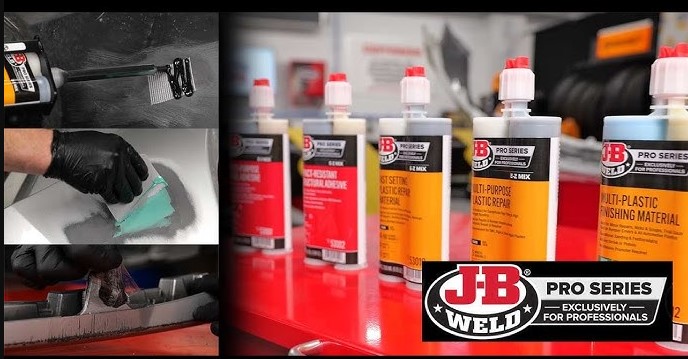
Is JB Weld good for plastic? The answer depends entirely on the type of plastic you are repairing and the specific product you choose. While standard epoxy may fail on certain surfaces, J-B Weld offers specialized formulas designed to bond difficult plastics effectively for long-lasting results.
If you have ever stared at a cracked plastic bumper, a broken household appliance, or a split garden tool, you have likely wondered: is J-B Weld good for plastic? It is a question we hear all the time in the workshop. As we move through 2026, home repair projects are more popular than ever, and knowing which adhesive to reach for can save you a fortune in replacements.
The truth is that J-B Weld is a legendary brand known for its industrial-strength epoxy, but plastic is a tricky material. Unlike metal, which is easy to bond, many plastics have low surface energy, meaning they act like Teflon—they just don’t want anything to stick to them. However, with the right technique and the correct specific formula, you can definitely make those repairs hold up under pressure.
Key Takeaways
- Plastic Variety: Not all plastics are the same; identify your material (PE, PP, or ABS) before starting.
- Specialized Products: Use J-B Weld Plastic Bonder or PlasticWeld for the best results instead of standard metal-fill epoxies.
- Surface Prep: Roughing up the surface with sandpaper is the most critical step to ensure a mechanical bond.
- Cleanliness Matters: Always degrease your plastic surface with alcohol or a dedicated cleaner before application.
- Curing Time: Allow for the full cure time as specified on the packaging to achieve maximum bond strength.
- Testing First: Always perform a small test on an inconspicuous area if you are unsure about material compatibility.
Understanding the Challenges of Bonding Plastic
To understand why someone might ask “is J-B Weld good for plastic,” we have to look at the chemistry of the material itself. Not all plastic is created equal. When you look at the underside of a plastic object, you will often see a recycling code. These codes tell you exactly what you are dealing with, and that information is your best friend when selecting an adhesive.
The Problem with Low-Surface-Energy Plastics
The biggest villains in the plastic world are Polyethylene (PE) and Polypropylene (PP). These are high-density, waxy plastics used in fuel tanks, storage bins, and many household containers. They are notoriously difficult to bond. If you put standard glue or even some high-end epoxies on them, the adhesive will simply peel off once it dries. If you have ever wondered why your repair failed, this is usually the culprit.
Why Surface Preparation is Non-Negotiable
Even when using a compatible adhesive, you cannot just slap it on and walk away. Plastic surfaces are often smooth, and adhesive needs something to grab onto. By using sandpaper to scuff the area, you create “nooks and crannies” for the J-B Weld to lock into. This mechanical bond, combined with the chemical bond of the epoxy, is what makes a repair last for years rather than days.
Choosing the Right J-B Weld Product
So, is J-B Weld good for plastic across the board? Not if you pick the wrong tube. J-B Weld has expanded its lineup significantly in 2026 to address the unique needs of modern materials. You should avoid the standard steel-reinforced “Original” formula for plastic repairs. Instead, look for products specifically labeled for plastic.
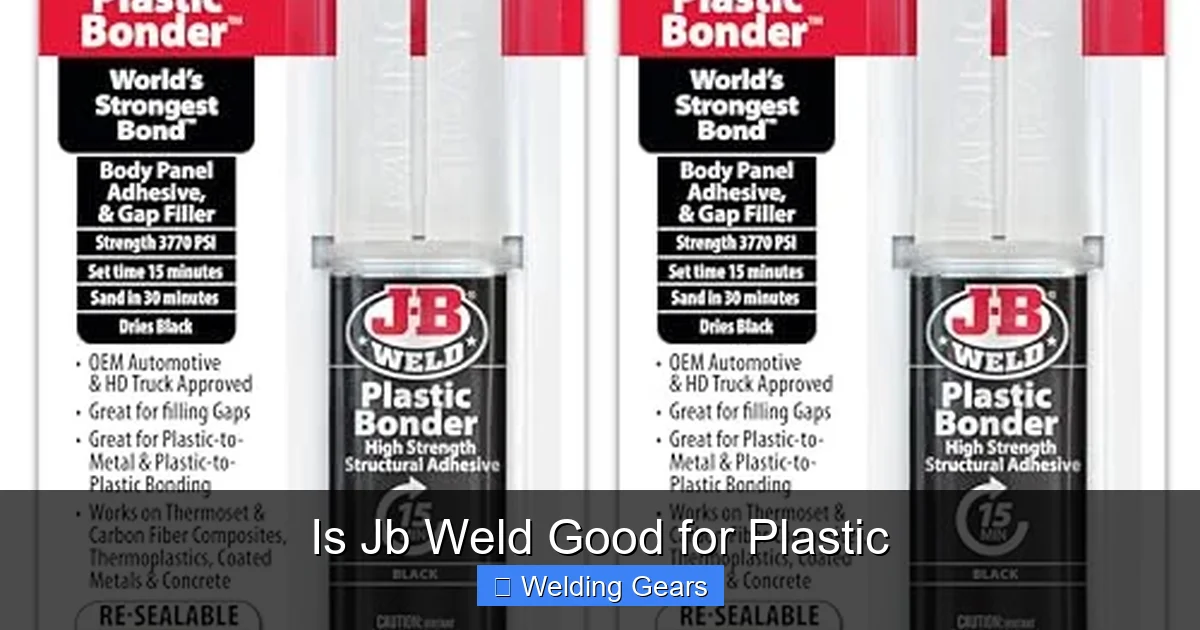
Visual guide about Is Jb Weld Good for Plastic
Image source: m.media-amazon.com
Plastic Bonder vs. PlasticWeld
The J-B Weld Plastic Bonder is a structural adhesive that is perfect for automotive bumpers and rigid plastics. It has a high tensile strength and sets quickly. On the other hand, the PlasticWeld putty is great for filling gaps or fixing cracks where you need to build up a little thickness. Knowing which one to grab is the secret to a professional-looking repair.
Why Specialized Formulas Matter
Specialized plastic-specific adhesives contain agents that help “wet” the surface of the plastic. This allows the epoxy to get closer to the molecular structure of the plastic, creating a much stronger bond than a generic superglue ever could. If your project is structural—meaning it will face vibration, weight, or heat—always go for the specialized plastic formula.
The Step-by-Step Guide to a Perfect Repair
If you are still asking yourself is J-B Weld good for plastic, the answer becomes a resounding yes once you follow this proven process. Doing it right takes a little patience, but the results are worth it. Let’s walk through the steps to ensure your repair is rock solid.
Step 1: Thorough Cleaning
Plastic often has mold release agents on it from the manufacturing process. Use a degreaser or isopropyl alcohol to wipe the surface until it is squeaky clean. If you leave grease or oil behind, your adhesive will fail, no matter how good it is.
Step 2: Scuffing the Surface
Grab a piece of 80 to 120-grit sandpaper. Gently rough up the area around the crack. You want to see a dull, matte finish on the plastic. After sanding, wipe away the dust with a clean rag. Skipping this step is the number one mistake most people make.
Step 3: Mixing and Application
If you are using the dual-syringe Plastic Bonder, make sure you mix it thoroughly on a disposable surface until it is a uniform color. Apply a thin layer to both sides of the crack if possible. If the plastic is thin, consider using a mesh screen or a piece of fiberglass cloth embedded in the J-B Weld to add extra reinforcement.
Practical Tips for 2026 DIYers
In 2026, we have access to better tools than ever before. If you are doing a complex repair, remember that temperature plays a huge role. Try to perform your repairs in a space that is between 65 and 75 degrees Fahrenheit. If it is too cold, the epoxy will take forever to set and may never reach its full strength.
Using Reinforcement
For large cracks, the adhesive alone might not be enough to handle the stress. Many pros now embed a small piece of metal screen or plastic mesh into the wet J-B Weld. This acts like rebar in concrete, giving the plastic repair the flexibility and strength it needs to endure daily use.
Don’t Rush the Cure
While the label might say “set time,” that is not the same as “cure time.” A set time is when the item is safe to move, but a full cure is when it reaches its maximum strength. Always wait the full 24 hours if you can. Being patient at this stage ensures your repair lasts for the long haul.
When to Avoid J-B Weld on Plastic
Is J-B Weld good for plastic in every single scenario? Unfortunately, no. There are cases where a mechanical fix or a replacement is the safer choice. For instance, if the plastic is under extreme, constant pressure like a high-pressure water pipe epoxy is not the right choice.
Safety First
Never use J-B Weld on items that will touch food or beverages. While it is inert once cured, it is not certified for food-contact safety. Additionally, avoid using it on parts that get extremely hot, such as parts near an engine block exhaust manifold, as the heat can soften the resin.
Knowing When to Replace
If a plastic part is critical for safety like a structural mounting bracket on a car’s braking system or a load-bearing part of a child’s swing set do not try to glue it. In these cases, even the best adhesive is not a substitute for a new, structurally sound part.
Conclusion
So, is J-B Weld good for plastic? After looking at the options and the science, we can confidently say that it is an excellent tool for your repair kit. By choosing the right formula, cleaning your surface properly, and scuffing it to create a mechanical lock, you can save money and extend the life of your plastic items significantly.
Whether you are fixing a cracked plastic case, a garden tool, or an automotive trim piece, J-B Weld provides the strength needed for a professional finish. Keep these tips in mind, stay patient with your curing times, and you will be amazed at how many things you can fix instead of throwing away. Happy repairing!
Frequently Asked Questions
Can I use J-B Weld on polyethylene or polypropylene?
Standard J-B Weld does not bond well to these specific plastics because they are chemically resistant. You should check the product packaging specifically for “Plastic Bonder” and look for compatibility notes, or consider using a specialized adhesion promoter first.
How long does J-B Weld take to cure on plastic?
While many plastic-specific J-B Weld products set within 15 to 30 minutes, it is highly recommended to let the piece sit undisturbed for a full 24 hours. This ensures the chemical cross-linking is complete and the bond has reached its maximum strength.
Is the repair waterproof?
Yes, J-B Weld is highly water-resistant once fully cured. It is often used for marine repairs and outdoor equipment, making it a reliable choice for items that will be exposed to rain or moisture.
Can I paint over the repaired plastic?
Absolutely. Once the J-B Weld has fully cured and you have sanded the area smooth, you can prime and paint it to match the rest of the plastic piece. This helps the repair blend in seamlessly with the original finish.
Does temperature affect the bonding process?
Temperature is crucial for a successful bond. Ideally, apply the adhesive in an environment between 65°F and 75°F; working in extreme cold will slow down the curing process and may lead to a weaker final bond.
Will J-B Weld work on flexible plastic?
Most J-B Weld epoxy products are designed for rigid plastics. If you are trying to repair very flexible or soft rubbery plastics, a traditional epoxy might crack; you may need a flexible adhesive or a dedicated rubber cement instead.