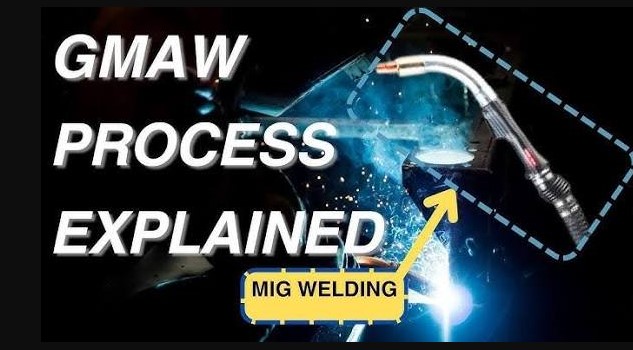
GMAW stands for Gas Metal Arc Welding, a versatile and efficient process frequently called MIG welding. It uses a continuous solid wire electrode and a shielding gas to create strong, clean bonds across various metals, making it an essential skill for modern welders.
If you have spent any time hanging around a fabrication shop or browsing welding forums in 2026, you have almost certainly heard the term GMAW. It sounds like a complex technical acronym, but once you peel back the layers, you will find it is actually one of the most accessible and useful tools in your shed.
Whether you are building a custom bike frame, repairing farm equipment, or just getting started with some DIY metal art, understanding this process is the first step toward professional-quality work.
So, what does GMAW mean in welding? At its simplest, it is the official industry term for what most folks call MIG (Metal Inert Gas) welding. It is a process where a wire feeder pushes a spool of wire through a gun, an electric arc melts that wire, and a gas keeps everything clean. It is fast, reliable, and incredibly popular. Let’s dive deep into why this method is the gold standard for welding in the current year.
Key Takeaways
- GMAW Defined: It stands for Gas Metal Arc Welding, which uses an electric arc to melt and join metal parts together efficiently.
- MIG Connection: Most people know GMAW as MIG welding, which is the most common and user-friendly method for beginners and pros alike.
- Shielding Gases: Using the right gas mixture, like Argon or CO2, is vital to protect the weld puddle from atmospheric contamination.
- Versatility: This process works on everything from thin sheet metal to heavy structural steel, making it highly valuable in workshops.
- High Efficiency: Because it uses a continuous wire feed, GMAW allows for long, uninterrupted welds without stopping to change electrodes.
- Skill Level: While it is easy to pick up, mastering GMAW requires understanding travel speed, voltage settings, and proper gas flow.
The Basics of How GMAW Works
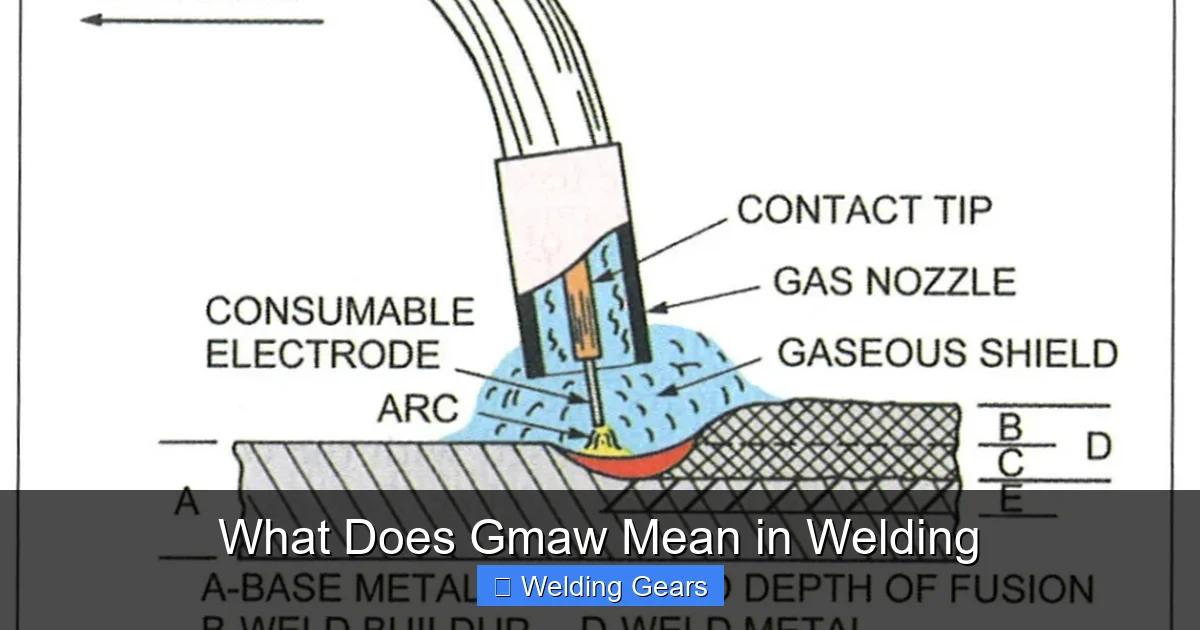
At the heart of the GMAW process is a power source, a wire feeder, a shielding gas supply, and the welding gun. When you pull the trigger on that gun, a few things happen at the exact same time. First, the machine completes an electrical circuit, creating an arc between the tip of your wire and your base metal. This arc is hot enough to turn metal into a liquid state almost instantly.
The Role of the Wire Electrode
Unlike stick welding, where you have to stop and replace a rod every few minutes, GMAW uses a continuous spool of solid wire. This wire acts as both the conductor for the arc and the filler material for your joint. Because it is fed continuously, you can make very long, consistent welds. This is a game-changer for production work or any project where you want to keep your rhythm moving smoothly.
Why We Use Shielding Gas
You might wonder why we call it Gas Metal Arc Welding. The gas part is crucial. When metal gets hot enough to melt, it reacts poorly with the oxygen and nitrogen in the air. If you do not shield that puddle, your weld will become porous and brittle. The gas usually a mix of Argon and CO2 pushes the air away, creating a clean environment for the metal to solidify. Think of it as an invisible umbrella that protects your work from the elements.
Advantages of Choosing GMAW in 2026
As we move through 2026, the technology surrounding GMAW has only gotten better. Machines are more portable, more affordable, and smarter than they have ever been. If you are debating which welding style to master first, GMAW is usually the top recommendation for a few key reasons.
Visual guide about What Does Gmaw Mean in Welding
Image source: ewi.org
Speed and Efficiency
In a world where time is money, GMAW wins. The ability to lay down a long, continuous bead without stopping to swap out rods means you spend more time welding and less time prepping. It is common to see shops outputting double the amount of work compared to older methods. If you are working on a large fence or a car chassis, this efficiency is exactly what you need to finish your project on time.
Ease of Learning
If you have ever been intimidated by the sparks, GMAW is the best way to gain confidence. Because the machine feeds the wire for you, you only need to focus on your hand speed and your distance from the metal. It is very similar to holding a glue gun. With just a weekend of practice, most people can lay down a bead that looks good and holds tight. This low barrier to entry is why so many schools and hobbyists stick with it.
Equipment You Need to Get Started
Building your welding station doesn’t have to break the bank. In 2026, the market is flooded with high-quality, entry-level GMAW setups. Here is what you generally need to look for when shopping for your gear.
The Power Source and Wire Feeder
Most modern GMAW machines are “inverter-based,” meaning they are lightweight and can plug into standard house outlets. You want to look for a unit that has adjustable voltage and wire speed settings. Being able to fine-tune these two variables is the secret to getting that perfect “sizzling bacon” sound while you weld. Don’t worry about getting the most expensive model; focus on one that has good reviews and local support for parts.
Safety Gear Essentials
Never skimp on your protective equipment. You are dealing with intense UV light and hot metal splatter. Always wear a high-quality auto-darkening helmet that reacts quickly to the arc. Heavy-duty leather gloves and a flame-resistant jacket are also non-negotiable. Protect your skin and your eyes; you only get one set of each, and in 2026, the safety tech is better and more comfortable than ever.
Setting Up for a Perfect Weld
Even the best machine in the world won’t help you if your settings are off. Knowing what GMAW means in welding is only half the battle; the other half is knowing how to tune it. If your wire speed is too high, the gun will “push” you away. If it is too low, the wire will burn back into the tip of the gun. Finding that sweet spot is where the art meets the science.
Cleaning the Base Material
This is the most common mistake beginners make. They think the heat will burn through the rust and oil. While GMAW is fairly forgiving, a dirty metal surface will almost always lead to poor penetration and nasty splatter. Take a minute to use a wire brush or a flap disc on an angle grinder to get your metal shiny before you strike an arc. It makes a world of difference.
Managing Gas Flow
Your gas regulator should be set to a flow rate that is appropriate for your environment. If you are welding in a drafty garage, you might need a little more gas flow to ensure the air doesn’t blow your shielding umbrella away. If you are in a still, enclosed shop, a lower setting is fine. Always check your regulator before you start to make sure you aren’t wasting gas or starving your weld.
Common Challenges and How to Fix Them
Every welder hits a wall eventually. Maybe your bead looks like bird droppings, or your metal keeps warping. Don’t get discouraged! These are standard issues that everyone faces when they first ask what does GMAW mean in welding and start practicing.
Fixing Porosity
If you see tiny holes in your finished weld, that is called porosity. It means oxygen got into the puddle. Check your gas line for leaks, make sure your nozzle is clean of spatter buildup, and ensure you aren’t holding the gun too far from the work. Keeping a short, consistent “stick-out” about a half-inch usually fixes this problem instantly.
Avoiding Excessive Spatter
Spatter is those little BB-like metal balls that stick to your work. While a little bit is normal with GMAW, a lot of spatter usually means your settings are too “hot” or your polarity is wrong. Check your machine’s manual to ensure your ground clamp is solid and your voltage settings match the thickness of the metal you are working on. A clean tip and proper technique will help keep your work looking sharp.
The Future of GMAW Technology
As we look at the landscape of 2026, GMAW is evolving. We are seeing more “synergic” machines hitting the market. These machines ask you what thickness of metal you are welding, and they automatically set the voltage and wire speed for you. It is like having a master welder sitting next to you, whispering the perfect settings in your ear.
Furthermore, the variety of welding wires available today is incredible. You can buy specialized wires for stainless steel, aluminum, or even hard-facing for repairing heavy machinery parts. The versatility of this process is what keeps it relevant in an age of automated robotics and advanced manufacturing. Whether you are using a robot in a factory or a portable machine in your home garage, GMAW remains the foundation of how we build the world.
In conclusion, when you ask what does GMAW mean in welding, you are really asking about the most reliable workhorse in the metalworking industry. It is a process defined by its speed, its ease of use, and its incredible versatility.
By learning the basics of shielding gas, wire feed, and proper surface preparation, you open the door to endless DIY projects and career opportunities. So, grab some scrap metal, pull on your gloves, and start building the best way to understand GMAW is to strike an arc and see it for yourself!
Frequently Asked Questions
Is GMAW the same thing as MIG welding?
Yes, they are essentially the same process. GMAW stands for Gas Metal Arc Welding, while MIG (Metal Inert Gas) is the popular, common name used by professionals and hobbyists alike.
Do I need a gas tank for all GMAW projects?
Most standard GMAW welding requires a shielding gas tank to protect the weld. However, you can use “flux-cored” wire, which does not require external gas, making it a great option for windy outdoor work.
What is the most important setting to adjust?
The relationship between voltage and wire feed speed is the most critical factor. Getting these two settings “balanced” is the secret to a smooth, strong, and clean-looking welding bead.
Can I weld aluminum using the GMAW process?
Yes, you can weld aluminum with GMAW, but you usually need a specialized “spool gun” or a Teflon liner in your torch. This prevents the softer aluminum wire from kinking inside the cable.
Why does my weld look like it has little holes in it?
Those holes, known as porosity, usually mean that your shielding gas was disturbed or you didn’t have enough of it covering the weld puddle. Check your gas flow rate and ensure there are no drafts in your workspace.
Is GMAW suitable for thin sheet metal?
GMAW is actually one of the best processes for thin materials like car body panels. Because you can use thin wire and lower power settings, you are less likely to burn through the metal compared to other methods.