The best saw for cutting PVC pipe should produce a straight, smooth edge without cracking or deforming the plastic. The right choice depends on pipe diameter, wall thickness, cutting frequency, and available workspace. A dedicated plastic pipe saw offers good control, while powered saws can save time on larger projects. Sharp teeth and a stable grip help improve cutting accuracy.
Five useful options include a dedicated PVC pipe saw for clean cuts, a hacksaw for affordable home repairs, a Japanese-style pull saw for controlled cutting, a reciprocating saw for fast cuts in confined spaces, and a miter saw for repeated, square cuts in a workshop. Hand saws suit occasional plumbing jobs, while powered options are more practical for frequent cutting. Always choose a blade compatible with PVC.
Before cutting, secure the pipe with a clamp or suitable guide and mark the cut around its circumference. Wear safety glasses and avoid excessive cutting speed that could melt the plastic. Remove internal and external burrs afterward to help fittings seat correctly. For solvent-weld plumbing connections, follow the pipe and cement manufacturer’s preparation instructions.
5 Best Saws For Cutting Pvc Pipe
| Image | Title | Best For | Link |
|---|---|---|---|
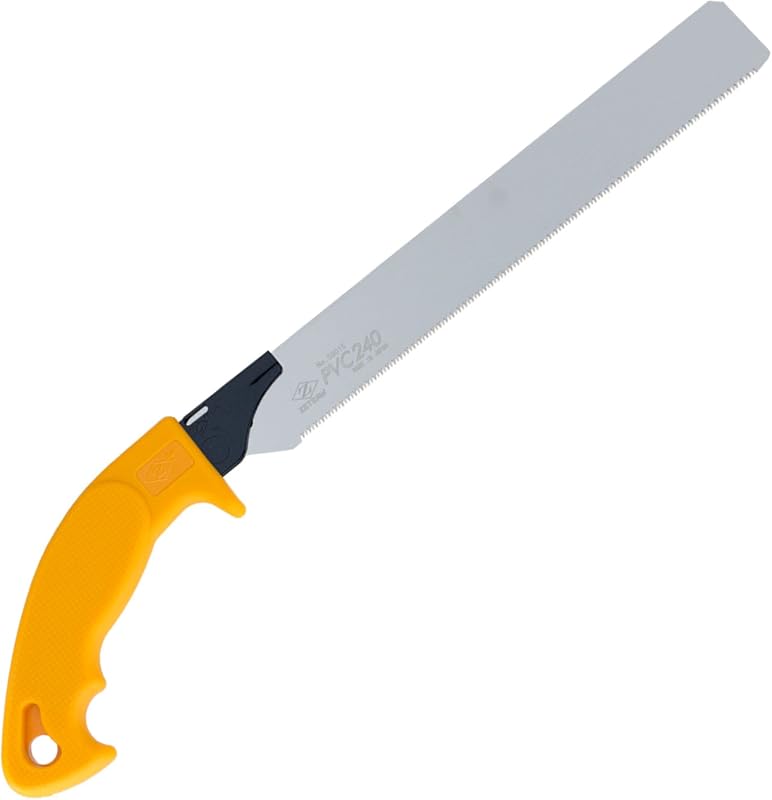 |
Z-saw PVC240 | Precision cuts with minimal burrs. | View on Amazon |
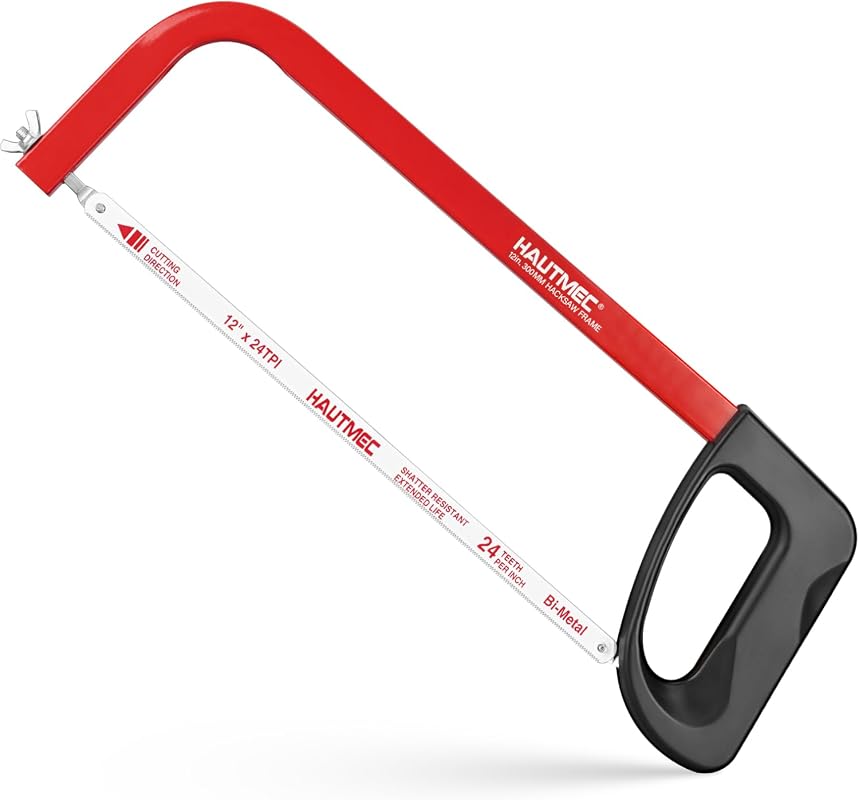 |
HAUTMEC 12-Inch Hacksaw | Heavy-duty tensioned cutting. | View on Amazon |
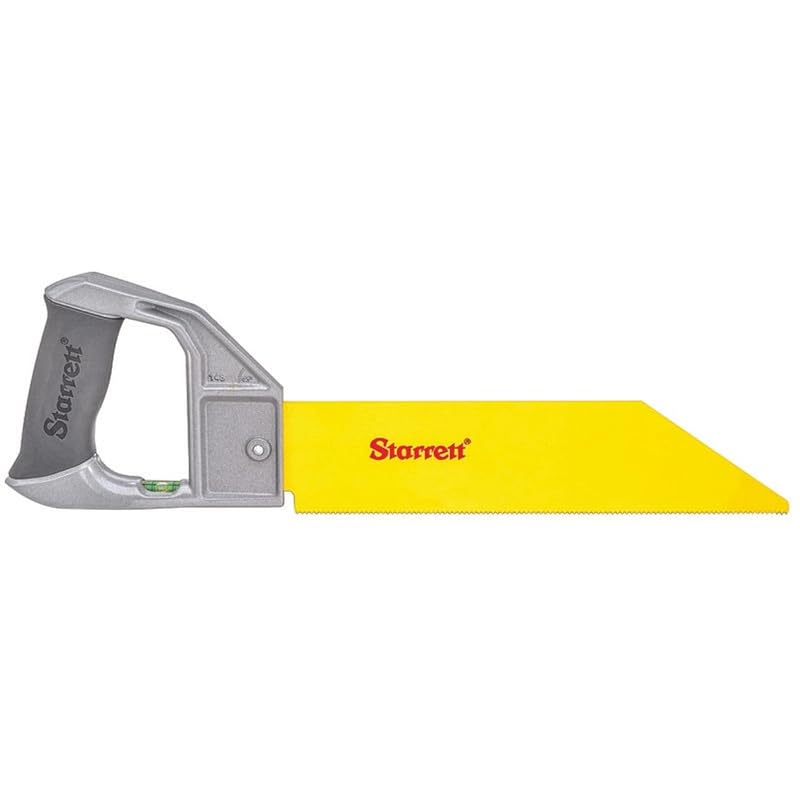 |
Starrett K148-12 | Budget-friendly reliability. | View on Amazon |
 |
Inside Pipe Cutter | Cutting in tight, narrow spaces. | View on Amazon |
 |
HAUTMEC 11-Inch Saw | Angled and versatile cuts. | View on Amazon |
Our Top 5 Best Saws For Cutting Pvc Pipe Reviews – Expert Tested & Recommended
1. Z-saw PVC240 Japanese Pull Saw
The Z-saw PVC240 is a game-changer for anyone tired of jagged, uneven cuts. Its specialized teeth are engineered to slice through PVC and PE pipes with incredible smoothness, leaving almost no burrs behind.
Key Features That Stand Out
- ✓ Specialized pull-stroke tooth design for maximum precision
- ✓ Replaceable blade system saves you money in the long run
- ✓ Perfect for cutting pipes up to 100mm in diameter
- ✓ Exceptionally lightweight and comfortable for extended use
Why We Recommend It
We love this saw because it handles plastic pipes with such grace. It is significantly more efficient than a standard hardware store utility saw and makes every fitting installation much tighter.
Best For
Ideal for DIYers and professional plumbers who demand clean, square cuts for leak-free pipe connections.
Pros and Cons at a Glance
2. HAUTMEC 12-Inch High Tension Hacksaw
If you prefer a classic, heavy-duty feel, the HAUTMEC 12-Inch Hacksaw is an excellent choice. It features a robust steel frame that holds high tension, ensuring your cuts stay straight every single time.
Key Features That Stand Out
- ✓ High-tension steel frame prevents blade flex
- ✓ Includes a durable 24 TPI bi-metal blade
- ✓ Tool-free quick tension adjustment for fast changes
- ✓ Ergonomic grip designed for heavy-duty use
Why We Recommend It
This saw is built like a tank. The ability to quickly adjust the tension means you spend less time messing with your tools and more time finishing your plumbing job.
Best For
Versatile users who need a saw that can handle both rigid PVC pipe and occasional metal cutting.
Pros and Cons at a Glance
3. Starrett K148-12 PVC Saw
You don’t always need to break the bank to get quality. The Starrett K148-12 is a reliable, budget-friendly option that includes handy features like a built-in level vial for perfectly straight cuts every time.
Key Features That Stand Out
- ✓ Integrated level vial for accurate alignment
- ✓ Rubber-coated cast aluminum handle for comfort
- ✓ Surface markings for 45° and 90° angles
- ✓ Highly durable construction for the price point
Why We Recommend It
It’s rare to find such high-value features in a budget tool. The level vial is a life-saver if you are prone to slightly crooked cuts.
Best For
Homeowners performing occasional DIY repairs who want accuracy without overspending.
Pros and Cons at a Glance
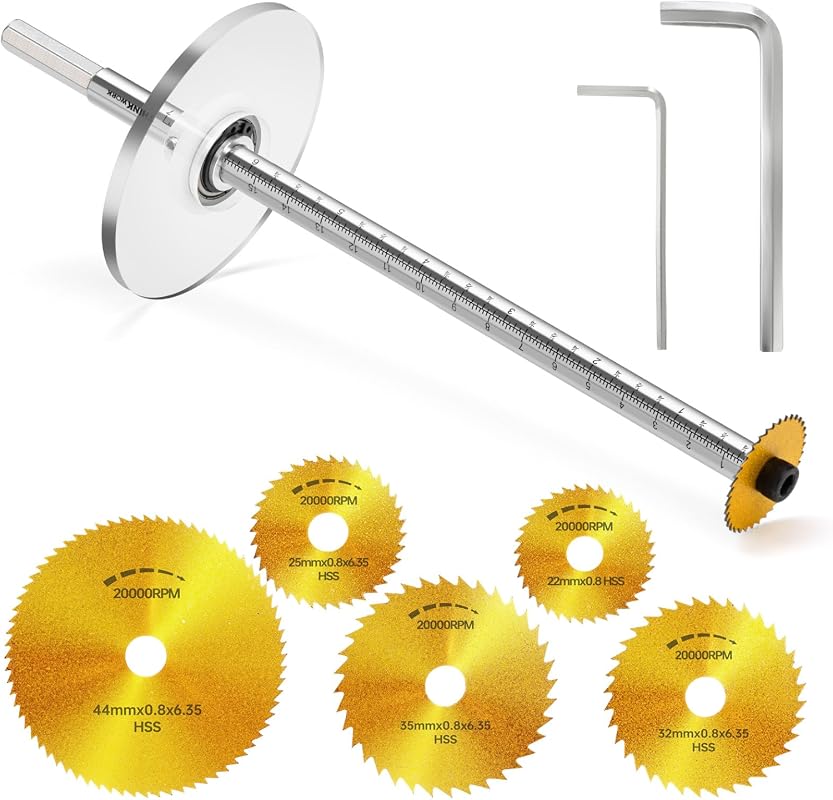
4. Professional Inside Pipe Cutter
Sometimes you need to cut a pipe from the inside, like when a coupling is already glued in place. This Inside Pipe Cutter is the ultimate problem solver for those extremely tight, hard-to-reach areas.
Key Features That Stand Out
- ✓ Adjustable cutting depth up to 7 inches
- ✓ Ideal for flush cuts within walls or floor joists
- ✓ Easy installation guide included for quick setup
- ✓ Gold-finished gauge for high visibility
Why We Recommend It
It eliminates the need to tear out drywall or structural wood to reach a pipe connection. It is a specialized tool that turns a multi-day repair into a one-hour fix.
Best For
Plumbers and advanced DIYers dealing with pipes that are buried behind walls or in narrow crawlspaces.
Pros and Cons at a Glance
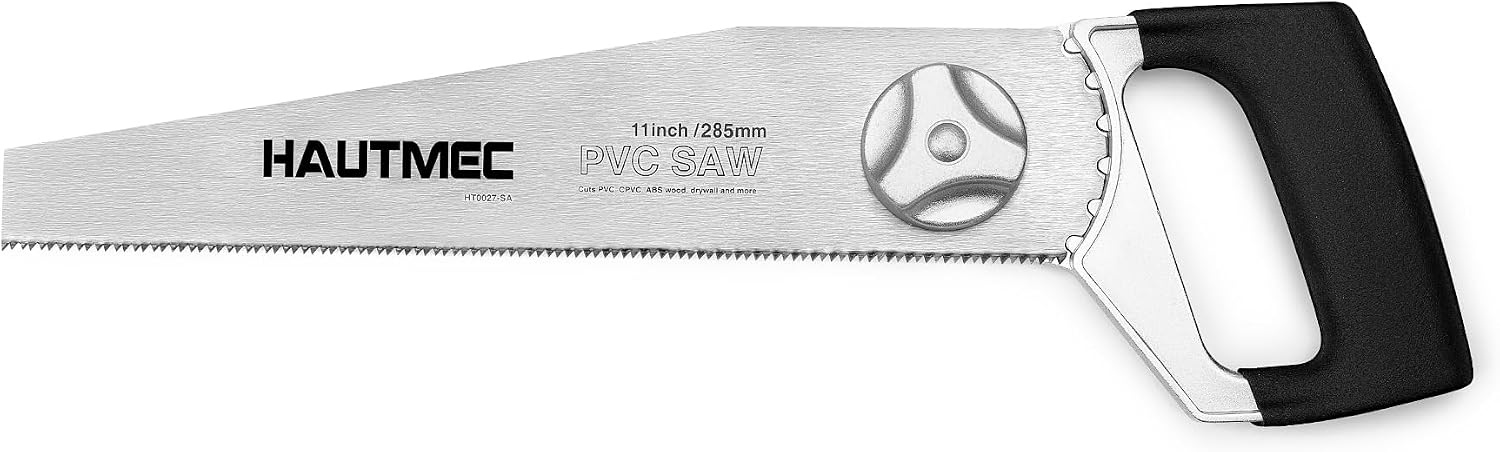
5. HAUTMEC 11-Inch Heavy Duty PVC Saw
This HAUTMEC 11-Inch Saw is designed for those who need to cut at awkward angles. With its adjustable handle and high-carbon steel blade, it makes short work of both PVC and wooden projects.
Key Features That Stand Out
- ✓ 11-position adjustable angle mechanism
- ✓ Stiff, 1mm high-carbon steel blade reduces wobble
- ✓ Double-ground teeth for smooth, fast performance
- ✓ Durable, induction-hardened steel construction
Why We Recommend It
The flexibility of the rotating head is incredible. It allows you to maintain a natural wrist position even when working in tight corners or against wall studs.
Best For
Versatile hobbyists or contractors who need to adapt their tool’s angle for complex plumbing or woodworking projects.
Pros and Cons at a Glance
Complete Buying Guide for the Best Saws for Cutting PVC Pipe
Essential Factors We Consider
When selecting a saw for PVC, consider the blade stiffness and the tooth design. A stiff blade ensures that your cut doesn’t drift, while a finer tooth count on the blade will result in fewer burrs and a cleaner edge for gluing. Ergonomics also matter if you have a large project; look for comfortable grips to avoid hand fatigue.
Budget Planning
You don’t need a professional-grade power tool for occasional PVC work. Simple, manual pull saws or hacksaws are very affordable and often provide cleaner cuts than cheap power saws. Investing a little more in a saw with a replaceable blade is usually the most cost-effective long-term strategy.
Final Thoughts
The right tool makes all the difference. Whether you choose the precision of a Japanese-style pull saw or the robustness of a heavy-duty hacksaw, ensure your choice matches the space you are working in. Taking your time with the cut will always pay off in a leak-free, professional-looking plumbing job.
Frequently Asked Questions
Q: Can I use a standard wood saw for PVC?
A: While you can, it is not recommended. Wood saws have larger, more aggressive teeth that will cause the PVC to splinter and create large burrs, making it harder to get a smooth, watertight seal.
Q: Do I need a power saw for PVC?
A: For most home repairs, a manual saw is actually preferred. It is quieter, creates less dust, and gives you better control over the cut compared to a loud, fast-spinning power tool.
Q: How do I remove burrs from cut PVC?
A: You can use a deburring tool, a piece of sandpaper, or even a utility knife to smooth out the edges after making your cut. This is a crucial step to ensure proper solvent welding.
Q: Are all PVC saw blades the same?
A: No. Some are designed for high-tension use, others are optimized for pull-strokes, and some are built for specialized “inside” cutting. Always check that the blade is intended for plastic or PVC.