Repairing an exhaust pipe with a stick welder requires careful electrode selection because exhaust tubing is often thin and vulnerable to burn-through. The right welding rod should provide manageable arc characteristics, suitable penetration, and compatibility with the pipe’s base metal. Mild steel, aluminized steel, and stainless steel each have different welding requirements, so identifying the material before choosing an electrode is essential. Stick welding can work for certain exhaust repairs, although MIG or TIG is generally easier to control on thin-wall tubing.
Several electrodes are worth considering for different exhaust materials and repair conditions. E6013 is commonly used on clean, thin mild steel because it offers a relatively smooth arc and manageable penetration. E6011 is useful for some maintenance work involving less-than-perfect surfaces, but its more forceful arc increases burn-through risk on thin tubing. E308L stainless steel electrodes are suitable for compatible 304 stainless steel, while E309L may be appropriate for certain dissimilar-metal joints. E409-type filler is designed for compatible ferritic stainless applications. E7018 can be useful for thicker brackets or flanges, but it is generally not the first choice for thin exhaust tubing.
This guide compares six stick welding rod options based on material compatibility, arc characteristics, penetration, application, and overall practicality. The focus is on helping readers distinguish between electrodes for mild steel, stainless steel, and heavier exhaust components rather than treating every rod as interchangeable. Check the pipe material, wall thickness, electrode manufacturer’s specifications, and welder capabilities before starting. Exhaust repairs also require adequate ventilation, fire precautions, and proper protective equipment; never weld a component that may contain flammable vapors or expose nearby catalytic converters and sensors to damaging heat. For very thin tubing, a qualified exhaust shop using MIG or TIG may provide a more reliable repair.
6 Best Stick Welding Rods For Exhaust Pipe
| Image | Title | Best For | Link |
|---|---|---|---|
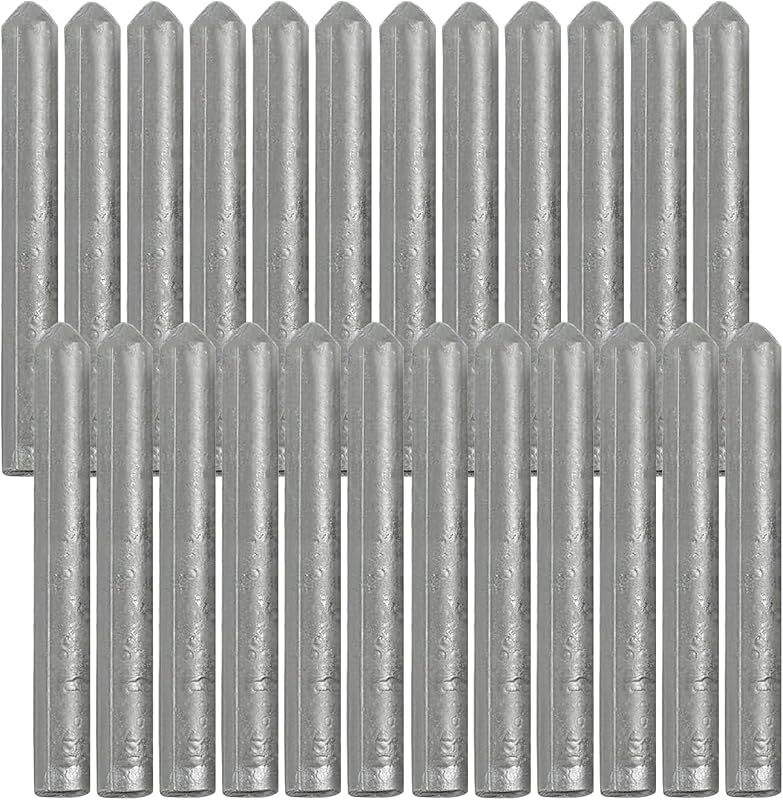 |
12Pcs Universal Welding Rod Sticks | The 12-piece low temperature universal welding rod sticks for easy repair on aluminum, copper, and steel. | View on Amazon |
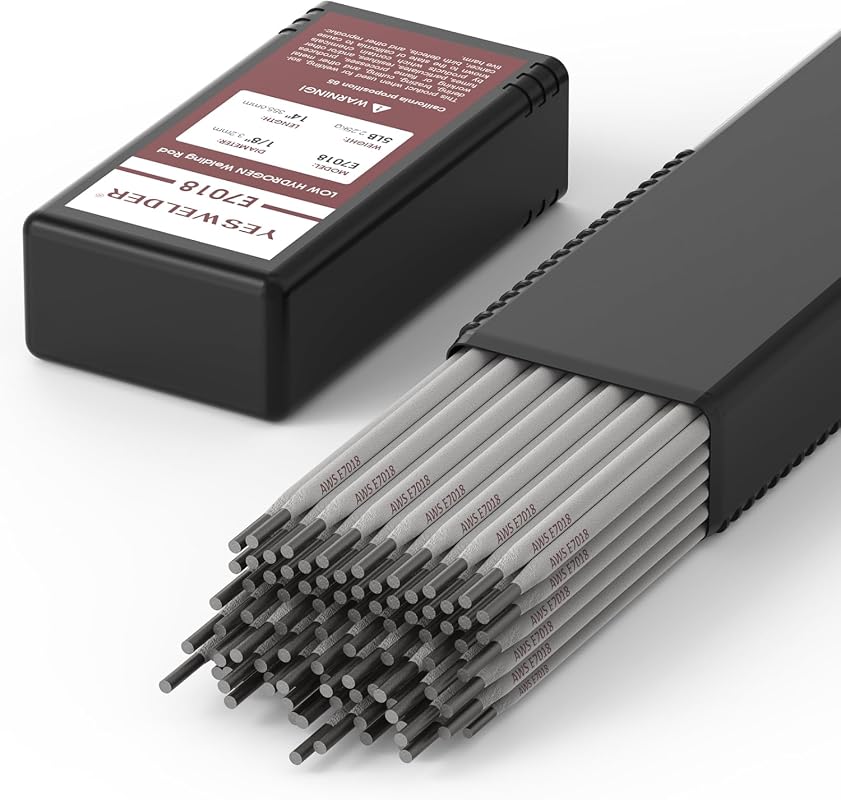 |
YESWELDER E7018 5LB Welding Rods | High-performance carbon steel stick electrodes for professional welding results. | View on Amazon |
 |
Buelkmag E6013 6LB Welding Rods | Versatile DIY and professional construction projects requiring carbon steel rods. | View on Amazon |
 |
Tandefio 12Pcs Universal Welding Rods | Durable metal repair and maintenance for various home projects. | View on Amazon |
 |
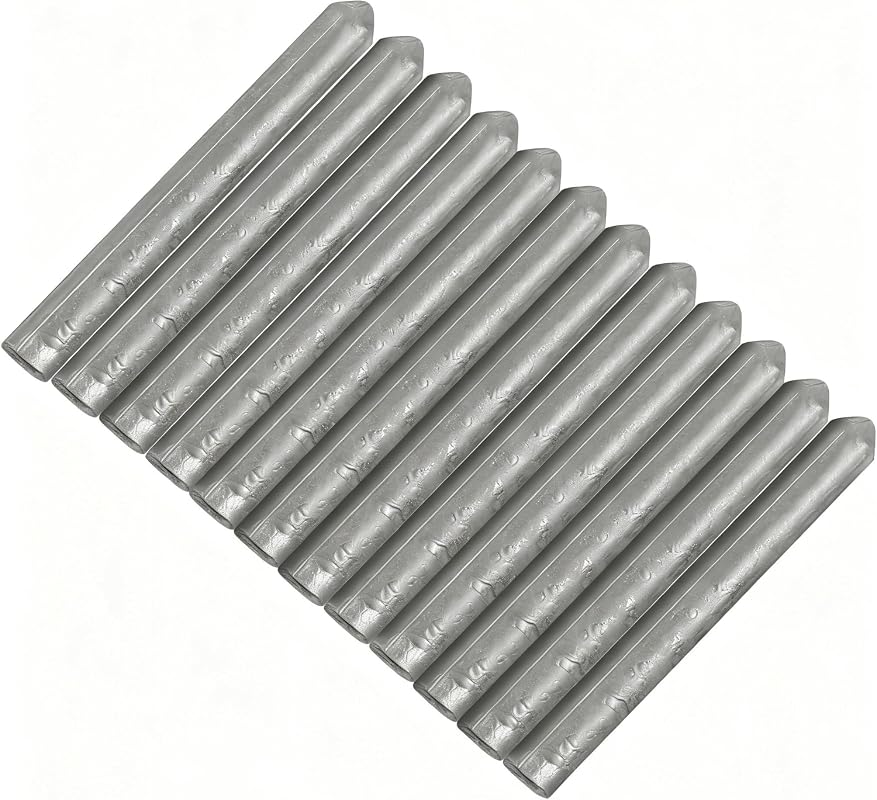
Tandefio 24Pcs Universal Welding Rods | Versatile metal joining and home repair for larger project needs. | View on Amazon |
 |
YESWELDER E6011 2LB Welding Rods | High-quality stick electrodes for reliable deep penetration welding. | View on Amazon |
Our Top 6 Best Stick Welding Rods For Exhaust Pipe Reviews – Expert Tested & Recommended
1. 12-Piece Low Temperature Universal Welding Rod Sticks for Easy Repair on Aluminum, Copper, and Steel
These welding rods are a fantastic choice for those who want a simple, effective solution without needing industrial-grade equipment. Their low-temperature melting point makes them very beginner-friendly and perfect for quick patches.
Key Features That Stand Out
✓ Low melting point for safer and easier operation
✓ Universal compatibility with aluminum, copper, and steel
✓ No flux required, which simplifies your workflow
✓ Excellent for small, precise daily repair tasks
Why We Recommend It
We recommend these because they take the stress out of welding. They are incredibly reliable for small exhaust leaks, giving you a solid seal without requiring complex setup or expensive materials.
Best For
Best for hobbyists and DIYers who need to perform quick, low-stress repairs on metal components around the home and garage.
Pros and Cons at a Glance
2. YESWELDER E7018 1/8 Inch 5LB Welding Rods High-Performance Carbon Steel Stick Electrodes
If you need a professional-grade finish, these E7018 welding rods are the gold standard. They provide a high-quality arc and are specifically designed to handle carbon steel with ease.
Key Features That Stand Out
✓ Low-hydrogen iron powder for superior weld quality
✓ Exceptional arc stability and minimal spatter
✓ Perfect for all-position welding tasks
✓ High deposition efficiency for faster work
Why We Recommend It
These are excellent for car enthusiasts who need to repair thicker exhaust piping. They offer deep penetration and a professional look that holds up well under the heat cycles of an engine.
Best For
Best for those looking to weld thicker steel sections of the exhaust system that require high integrity and durability.
Pros and Cons at a Glance
3. Buelkmag E6013 3/32 Inch 6LB Carbon Steel Welding Rods for Versatile Projects
When you need a reliable rod that won’t break the bank, the Buelkmag E6013 is a solid choice. These are perfect for general-purpose mild steel repairs, making them great for exhaust hangers and minor pipe patches.
Key Features That Stand Out
✓ Designed for all-position arc welding
✓ Excellent performance on poor fit-up joints
✓ Minimal spatter for a cleaner workspace
✓ Easy slag removal after the weld cools
Why We Recommend It
We recommend these because they are very forgiving. If you are new to welding your own car parts, these rods are less likely to stick or create messy welds, giving you more confidence to finish the job.
Best For
Best for DIY home mechanics working on older vehicles where parts might have gaps or fitment issues.
Pros and Cons at a Glance
4. Tandefio 12-Piece Low Temperature Universal Welding Rod Sticks for Metal Repair
The Tandefio welding rods are great to have in your toolbox for those unexpected exhaust rattles. They use high-quality metal powders to ensure that your repair is both strong and durable.
Key Features That Stand Out
✓ Designed with quality tin and aluminum powder
✓ Convenient small size for easy handling
✓ Excellent for maintenance and metal joining
✓ Reliable performance in various home settings
Why We Recommend It
We love the convenience of these sticks. They don’t require fancy equipment, making them perfect for those quick garage fixes when you find a pinhole leak in your exhaust pipe.
Best For
Best for quick, non-critical repairs on exhaust systems and general metal maintenance around the garage.
Pros and Cons at a Glance
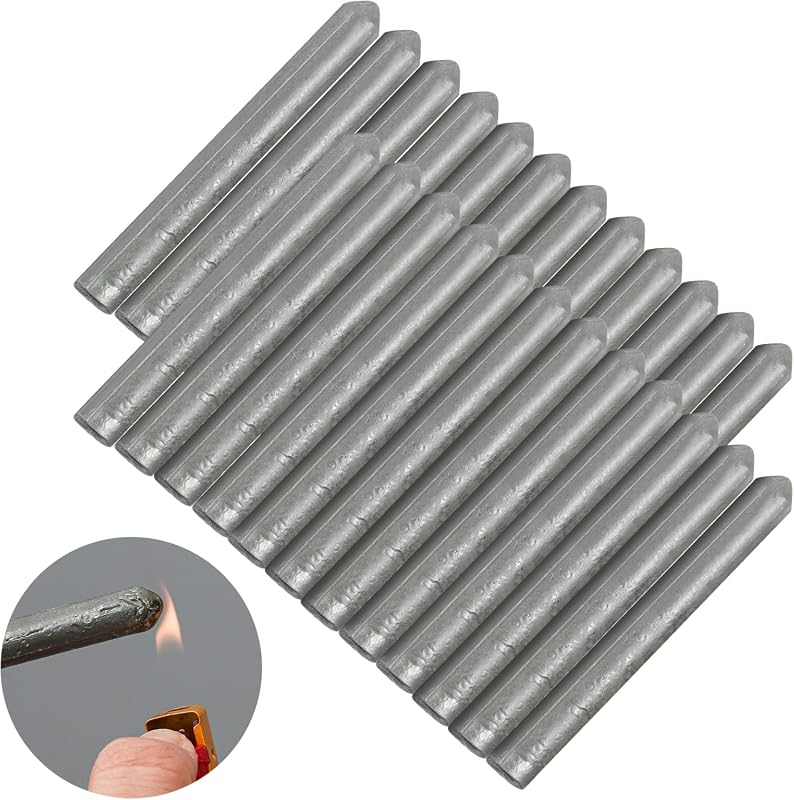
5. Tandefio 24-Piece Low Temperature Universal Welding Rod Sticks for Home Repair
If you have a bigger project, the 24-piece Tandefio pack offers more value. These are essentially the same high-quality formula as the smaller pack, just in a larger quantity for multiple repairs.
Key Features That Stand Out
✓ Larger quantity pack for ongoing maintenance
✓ High-quality tin and aluminum composite
✓ Effective at joining diverse metal types
✓ Ideal for versatile home repair tasks
Why We Recommend It
We recommend buying the bulk pack if you are a DIYer who likes to tinker with multiple cars or household items. You get more material for less per unit, keeping your garage stocked for any surprise repairs.
Best For
Best for active DIYers who have multiple projects on the go and want to save money by purchasing in larger quantities.
Pros and Cons at a Glance
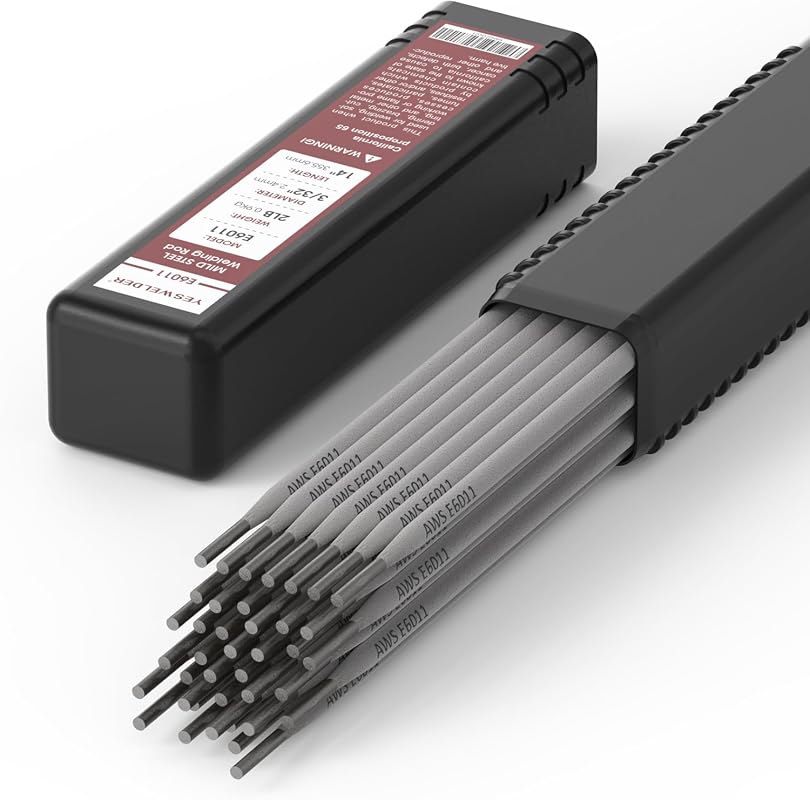
6. YESWELDER E6011 3/32 Inch 2LB Welding Rods for Reliable Deep Penetration Welding
If you are dealing with rusty or older exhaust pipes, the E6011 welding rods are exactly what you need. They are “fast-freezing” and offer deep penetration, which is vital for cutting through grime on old metal.
Key Features That Stand Out
✓ Excellent for deep penetration into dirty or rusty metal
✓ Strong arc force for reliable bonding
✓ Works well on AC power sources
✓ Minimal surface preparation required
Why We Recommend It
We recommend these because they are tough. If you are welding an exhaust pipe that has seen better days, these rods help you burn through the surface oxidation to create a strong, lasting bond.
Best For
Best for older vehicles and heavily corroded exhaust systems where the metal needs a bit of aggressive penetration.
Pros and Cons at a Glance
Complete Buying Guide for Best Stick Welding Rods For Exhaust Pipe
Essential Factors We Consider
When selecting stick welding rods for exhaust pipe repair, we look primarily at ease of use, penetration depth, and metal compatibility. Exhaust pipes are typically made of carbon or stainless steel, which requires a rod that can handle the high thermal stress of a vehicle. We prioritize rods that provide a stable arc to prevent burn-through on thin-walled tubing.
Budget Planning
You don’t need to spend a fortune to get a good seal. Budget-friendly options like the E6013 rods are perfectly fine for most home DIY repairs. If you are doing specialized, high-heat work, investing in high-performance rods like E7018 is a smarter choice as they offer superior durability in demanding conditions.
Final Thoughts
The best rod for your exhaust project depends on your skill level and the condition of your pipes. If you are working on a rusty old truck, go for the aggressive penetration of an E6011. For a clean, professional finish on newer pipes, the E7018 is your best bet. Always remember to prioritize safety and ensure your work area is well-ventilated.
Frequently Asked Questions
Q: Can I use standard welding rods on my car’s exhaust?
A: Yes, but ensure you select the right type. E6013 is great for beginners and mild steel, while E7018 is better for stronger, thicker steel connections.
Q: Do I need flux for welding exhaust pipes?
A: Most stick electrodes are “flux-coated,” meaning they provide their own shielding. Some low-temperature sticks are specifically designed to be “no-flux,” making them even easier to use for quick patches.
Q: How do I prevent burning a hole in thin exhaust pipe?
A: Use a smaller diameter rod (like 3/32 inch), use lower amperage settings, and use a “tack weld” method to build up the bridge across the gap rather than trying to weld a long, continuous bead.
Q: Should I clean the exhaust pipe before welding?
A: Yes. Even if you use an E6011 rod that handles rust well, cleaning the surface with a wire brush will always yield a much stronger, leak-free weld.