
A multi-function wall scanner can locate more than the wooden framing behind drywall. Modern electronic detectors can identify wood or metal studs, metal pipes, and live AC wiring, helping reduce the risk of drilling into hidden utilities during mounting, remodeling, and repair work. Recent testing from Which? evaluated detectors specifically for their ability to identify wood, metal pipes, and live wires behind walls.
Detection depth and sensing modes become important when walls contain thicker drywall, plaster, metal framing, or multiple hidden materials. Some scanners provide dedicated wood, metal, deep-scan, and AC-wire modes, while advanced models add center-finding displays and visual or audible alerts. No detector should be treated as an absolute guarantee that a wall is safe to drill, so repeated scans and careful verification remain important before making an opening.
This guide covers six stud, pipe, and wire detectors for homeowners, DIY projects, contractors, and renovation work. The selections consider stud accuracy, pipe and metal detection, live-wire warning capability, scanning depth, detection modes, calibration, display clarity, ease of use, and wall-surface compatibility so you can choose a scanner suited to the materials and risks hidden behind your walls.
6 Best Stud Pipes And Wire Detectors
| Image | Title | Best For | Link |
|---|---|---|---|
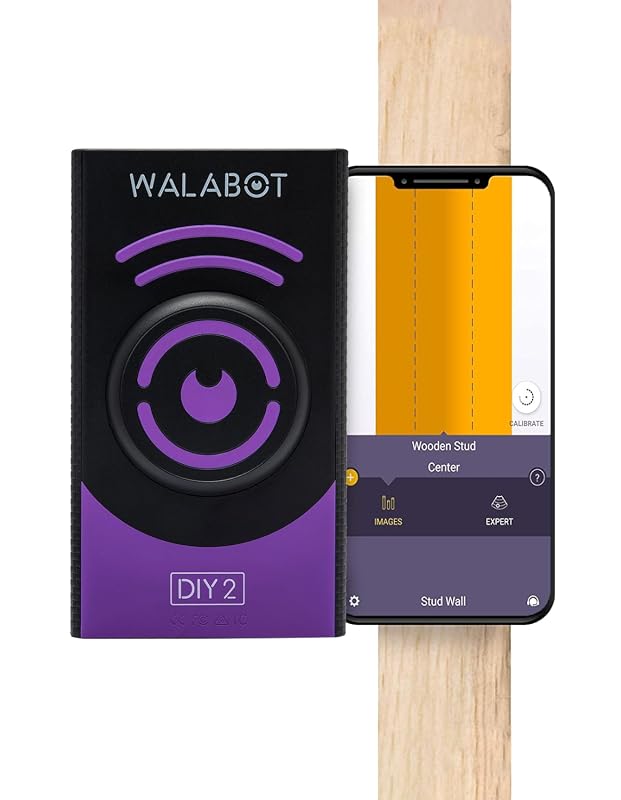 |
Walabot DIY 2 Wall Scanner | Visual identification of studs, pipes, and wires using smartphone connectivity. more | View on Amazon |
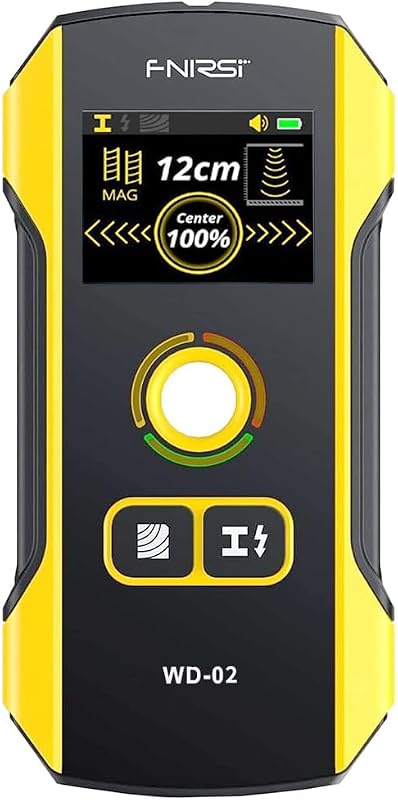 |
Professional Electronic Wall Stud Finder | Deep penetration detection for various wall materials and objects. more | View on Amazon |
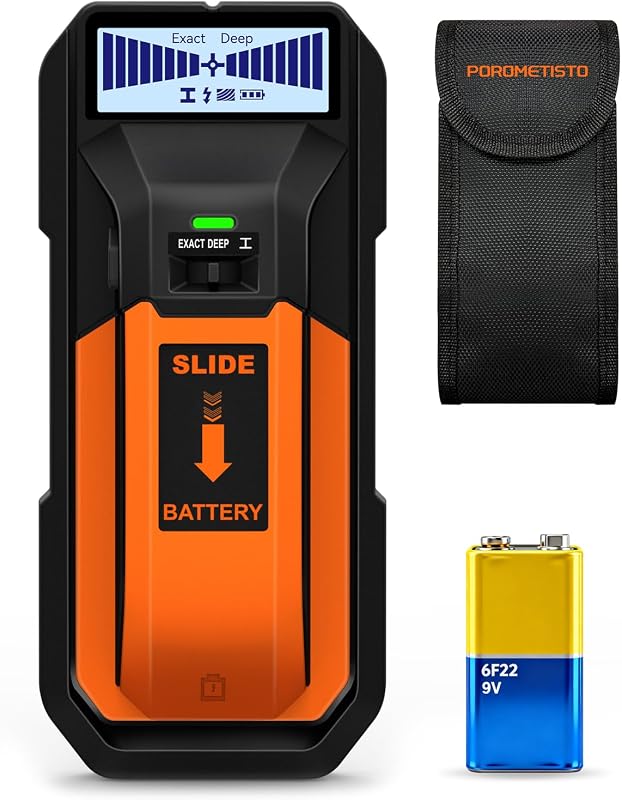 |
POROMETISTO DSF05 All-in-One Stud Finder | Budget-friendly all-in-one detection for metal, wood, and wires. more | View on Amazon |
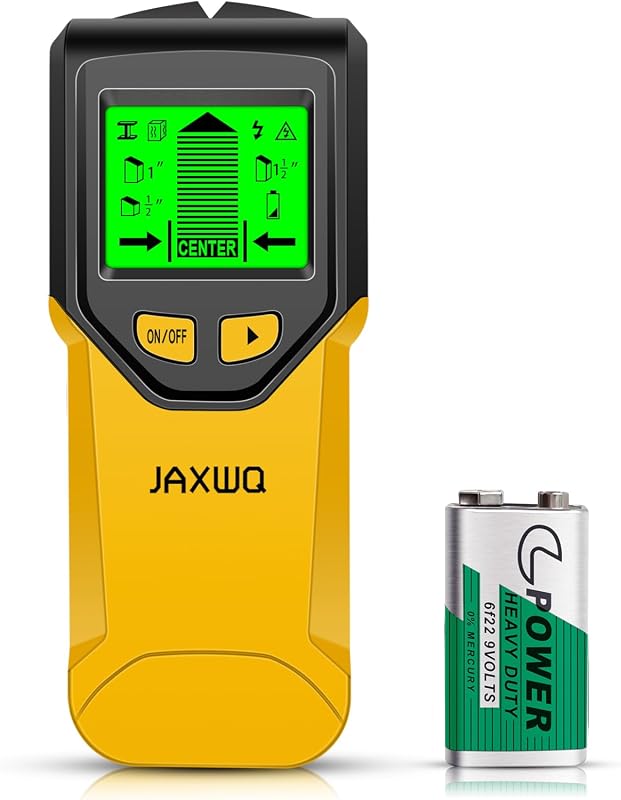 |
Upgraded Wood Metal Stud Detector | High-precision micro-sensor chip for fast and accurate results. more | View on Amazon |
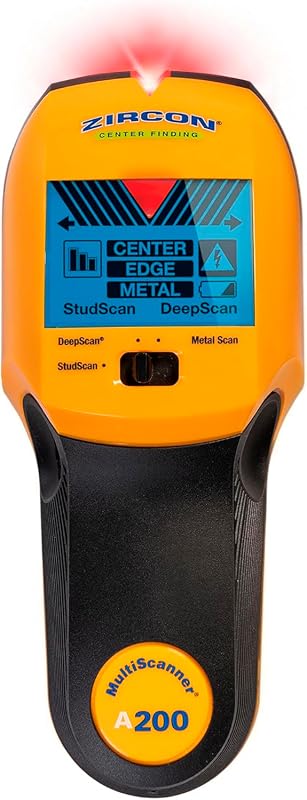 |
Zircon MultiScanner A200 Stud Finder | Reliable performance for pros and DIYers with multi-mode scanning. more | View on Amazon |
 |
WPP123 High Sensitivity Wall Scanner | Dual alarm system for clear and reliable detection of hazards. more | View on Amazon |
Our Top 6 Best Stud Pipes And Wire Detectors Reviews – Expert Tested & Recommended
1. Walabot DIY 2 Visual Wall Scanner
The Walabot DIY 2 takes wall scanning to a new level by connecting directly to your smartphone. Instead of guessing based on beeps, you get a visual representation of what is behind your drywall, making it a fantastic tool for precise drilling.
Key Features That Stand Out
- ✓ Visual mapping of studs, pipes, and wires on your phone screen
- ✓ Does not require existing Wi-Fi to function
- ✓ Highly durable for frequent DIY projects
- ✓ Accurate detection of both wood and metal studs
Why We Recommend It
We love this device because it removes the guesswork that comes with traditional stud finders. Seeing the actual structure behind the wall is incredibly helpful for complex renovations.
Best For
Ideal for serious DIY enthusiasts who want high-tech, visual feedback before drilling into walls.
Pros and Cons at a Glance
2. Professional Electronic Wall Stud Finder
The Professional Electronic Wall Scanner is designed for those who need depth. With the ability to detect metals up to 4.7 inches deep, it outperforms many standard consumer-grade tools on the market today.
Key Features That Stand Out
- ✓ Deep penetration scanning for various materials
- ✓ Dedicated modes for wood, metal, and live wires
- ✓ Ergonomic design with a built-in positioning hole
- ✓ Clear indicator for center and edge detection
Why We Recommend It
This model is excellent because it balances sensitivity with ease of use. It is rugged enough for a construction site but simple enough for a homeowner hanging their first picture frame.
Best For
Perfect for contractors or homeowners working on renovation projects involving deep-seated pipes or conduit.
Pros and Cons at a Glance
3. POROMETISTO DSF05 All-in-One Stud Finder
If you need a reliable scanner without breaking the bank, the POROMETISTO DSF05 is a solid choice. It handles metal, wood, and live wires with decent accuracy, making it perfect for light home maintenance.
Key Features That Stand Out
- ✓ Budget-friendly all-in-one detection
- ✓ Clearly marked modes for different material types
- ✓ Simple toggle switch interface for ease of use
- ✓ Compact and lightweight design
Why We Recommend It
This is a great entry-level tool. It provides the essential features needed for basic home projects without adding complicated settings that you may never use.
Best For
Budget-conscious homeowners who need a functional tool for occasional mounting tasks.
Pros and Cons at a Glance
4. Upgraded Wood Metal Stud Detector
The Upgraded Wood Metal Stud Detector features a high-sensitivity micro-sensor chip, allowing for very accurate and fast readings. The LCD screen is crisp and easy to read, even in dimmer areas.
Key Features That Stand Out
- ✓ High-sensitivity micro-sensor for fast detection
- ✓ Backlit LCD display for clear visibility
- ✓ Ergonomic grip for comfortable extended use
- ✓ Reliable detection of edges and centers
Why We Recommend It
We recommend this because of its speed. It finds studs significantly faster than many other models, saving you time during long projects.
Best For
Great for busy DIYers who want a reliable, fast-acting stud detector for their home projects.
Pros and Cons at a Glance
5. Zircon MultiScanner A200 Stud Finder
Zircon is a household name for a reason. The MultiScanner A200 is built for durability and precise detection, offering specialized scanning modes that help you differentiate between various types of materials hidden in your walls.
Key Features That Stand Out
- ✓ Multiple scan modes including StudScan and DeepScan
- ✓ Professional-grade accuracy for locating centers and edges
- ✓ Easy-to-follow calibration steps
- ✓ Great track record for reliability and performance
Why We Recommend It
We recommend the Zircon A200 because it is a “workhorse” tool. It is consistent, easy to calibrate, and provides professional results that you can trust for every project.
Best For
Excellent for both serious DIYers and contractors who need a trusted, established brand.
Pros and Cons at a Glance
6. WPP123 High Sensitivity Wall Scanner
The WPP123 provides a great dual-alarm system, using both sound and light to alert you to hidden hazards. This is an excellent feature for those who might be working in noisy or dimly lit environments.
Key Features That Stand Out
- ✓ Dual audible and visual alarm alerts
- ✓ High-precision multi-mode detection
- ✓ Adjustable sensitivity settings for various wall thicknesses
- ✓ Reliable detection for wood, metal, and electrical wires
Why We Recommend It
The dual alert system is its standout feature. It is very hard to ignore a buzzer and a flashing light, ensuring you never miss a warning while drilling.
Best For
Perfect for users who need a clear, unmistakable alert system to stay safe during their DIY projects.
Pros and Cons at a Glance
Complete Buying Guide for Stud Pipes And Wire Detectors
Essential Factors We Consider
When picking the right detector, we look at depth capacity, ease of calibration, and the ability to distinguish between material types. A truly great detector should clearly tell you if it has found a wooden stud, a metal pipe, or a live wire, as each requires a different level of caution.
Budget Planning
You can find functional scanners at various price points. Entry-level models are great for occasional use, while professional models offer advanced sensor tech that is worth the investment if you perform renovations frequently. Always consider how often you plan to use the tool before deciding on your budget.
Final Thoughts
Choosing the best tool depends on your specific needs. If you are a fan of technology, a visual scanner like the Walabot is excellent. For traditionalists, a reliable, robust handheld scanner from a brand like Zircon will get the job done efficiently and safely every single time.
Frequently Asked Questions
Q: Can these detectors scan through brick or concrete?
A: Most standard residential stud detectors are designed for drywall. Always check the product specifications, as some advanced models are built for deeper scanning, but many are not suitable for solid stone or brick surfaces.
Q: Do I need to calibrate my detector every time?
A: Yes, it is recommended to calibrate on a neutral part of the wall before every scan. This ensures the sensors are accurately adjusted to the density of the surface you are working on.
Q: How do I know if it has found a wire or a pipe?
A: Most multi-functional scanners have specific modes or indicator lights for “Live Wire” or “Metal.” When the detector flashes the corresponding icon or emits a unique tone, you should proceed with caution and stop drilling near that area.