A good welding lens helps protect your eyes from the intense light and radiation produced by an arc. It also helps you see the weld pool and joint clearly. Lens shade matters because different welding processes and amperage levels need different levels of protection.
Auto-darkening lenses offer a useful option for MIG, TIG, stick, and flux-core welding. They change from a light state to a darker shade when the arc starts, so you do not need to lift and lower the helmet between welds. True-color lenses can also provide a more natural view of the work area and weld pool.
This guide covers six welding lenses for different welding jobs and budgets. We consider shade range, optical clarity, switching speed, viewing area, sensitivity, durability, and compatibility with common helmets. Always match the lens shade to your welding process and amperage, and check the manufacturer’s safety ratings before use.
6 Best Welding Lens
| Image | Title | Best For | Link |
|---|---|---|---|
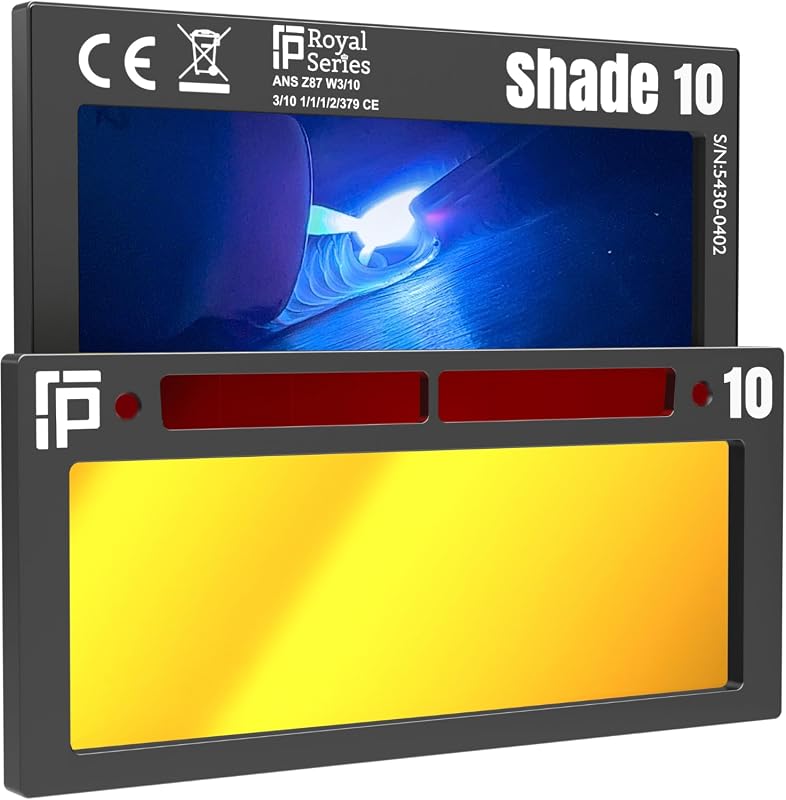 |
King 2.0 Gold Welding Lens | Professional TIG welders needing low amperage stability. | View on Amazon |
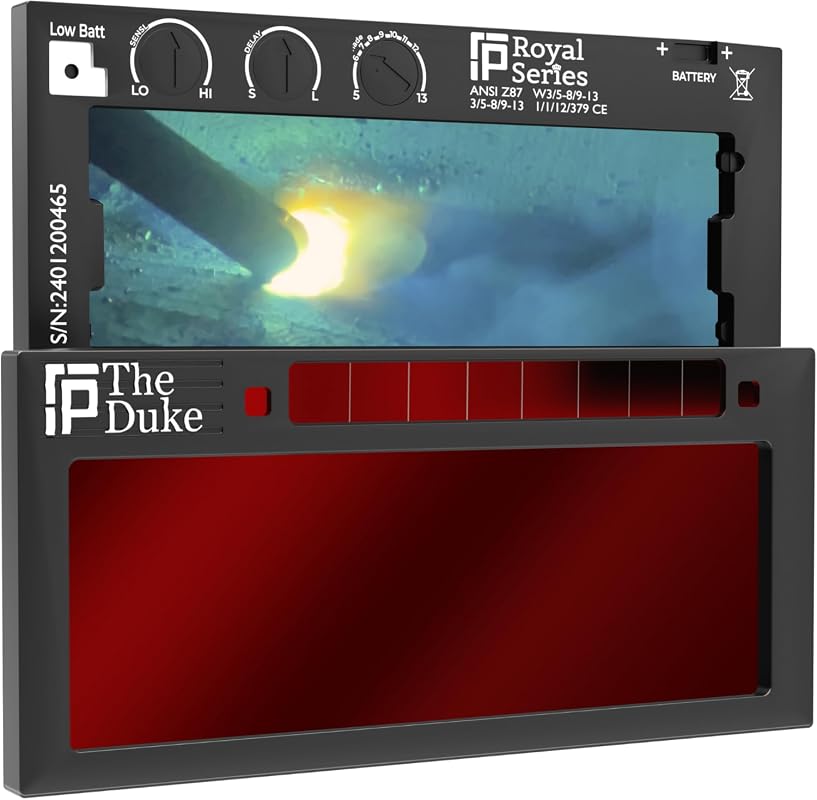 |
Duke 1.0 Red Welding Lens | Versatile shop work with adjustable shades. | View on Amazon |
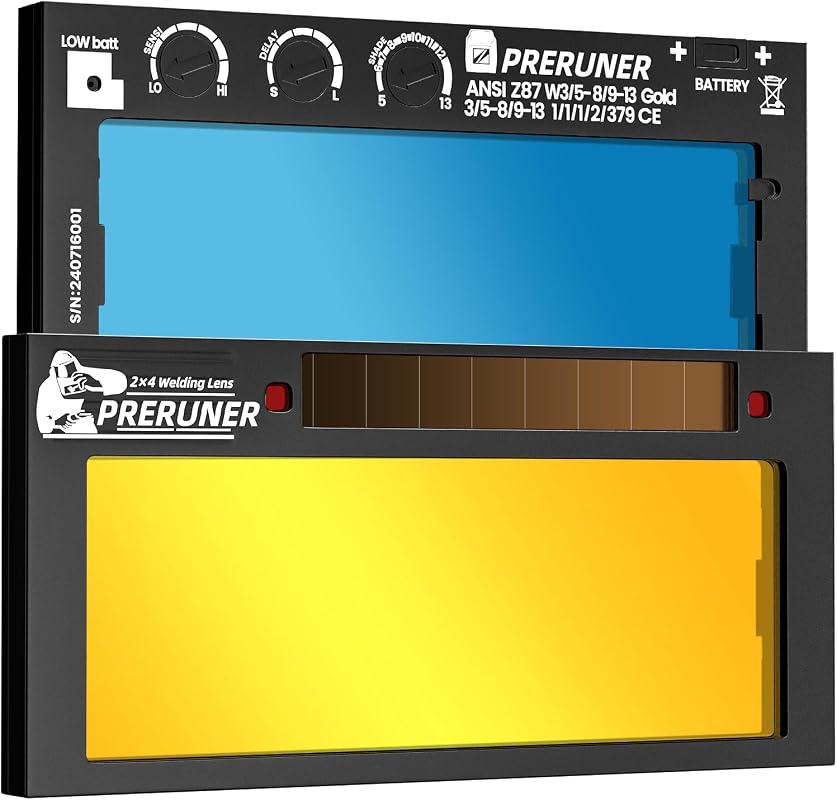 |
Flex Series Gold Welding Lens | Budget-conscious welders wanting high performance. | View on Amazon |
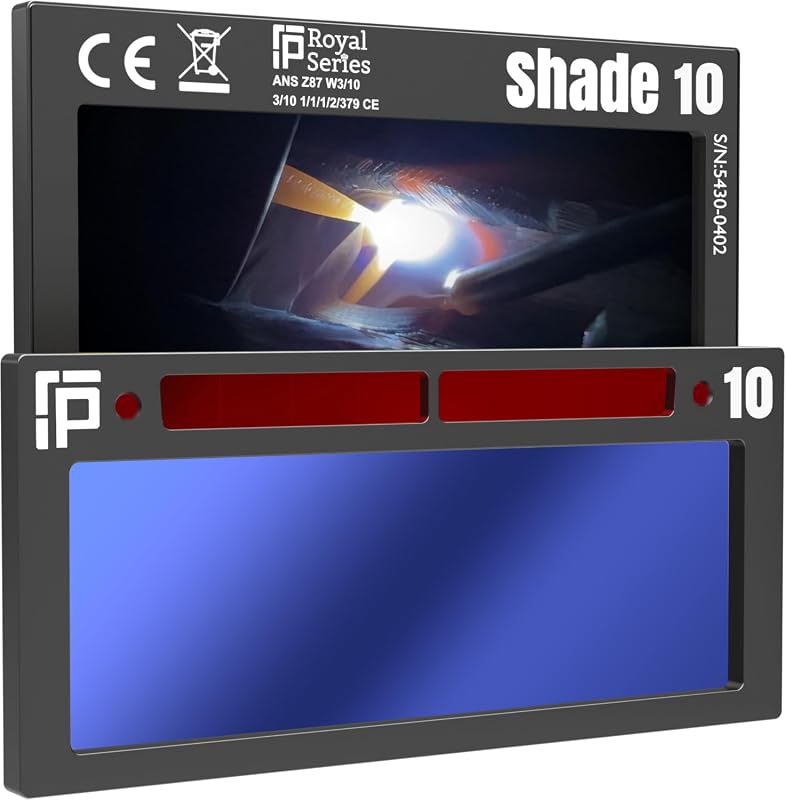 |
Heir 2.0 Blue Welding Lens | Enhanced color definition for precision tasks. | View on Amazon |
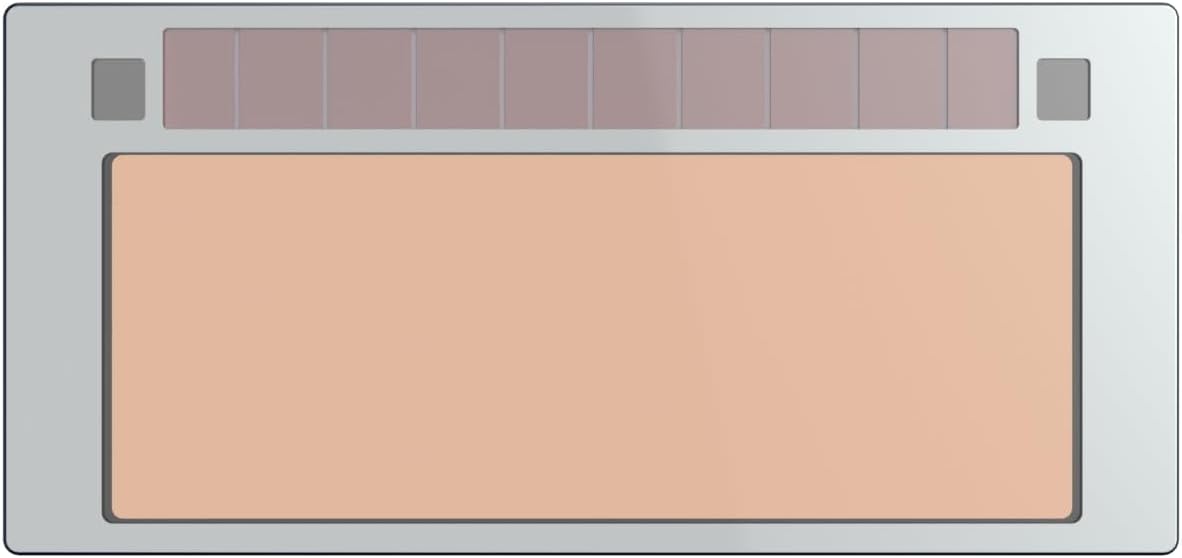 |
Tefuawe Gold Welding Lens | Welders looking for heat-reflecting protection. | View on Amazon |
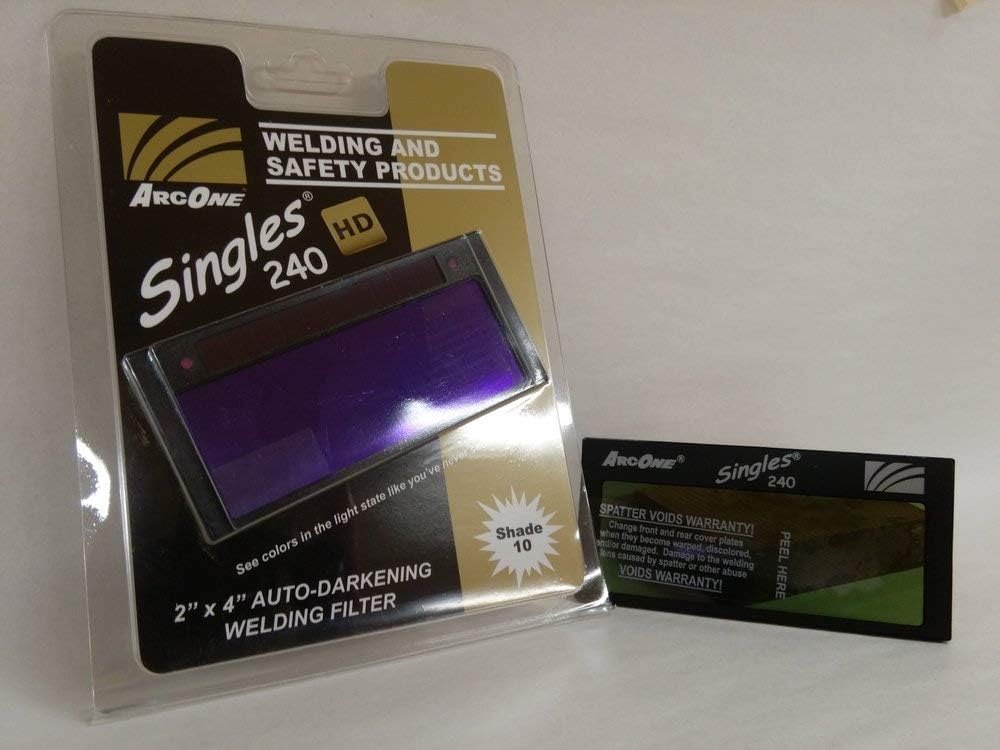 |
ArcOne S240-10 Filter | Standard industrial 2×4 helmet upgrades. | View on Amazon |
Our Top 6 Best Welding Lens Reviews – Expert Tested & Recommended
1. King 2.0 Gold Auto Darkening Welding Lens
The King 2.0 Gold is a powerhouse for anyone tired of their lens flickering during low-amp TIG work. It offers a incredibly stable view that makes puddle management feel effortless.
Key Features That Stand Out
- ✓ 20A TIG rated performance for consistent darkening.
- ✓ Industry-leading optical clarity for precise bead control.
- ✓ Gold plating for a deep blue, high-contrast weld view.
- ✓ Rugged design meant for long-term daily usage.
Why We Recommend It
This lens succeeds where standard filters struggle. The clarity is genuinely impressive, providing a crisp look at the weld zone that helps reduce eye fatigue after a long shift.
Best For
Professional welders who require reliable performance at low amperages.
Pros and Cons at a Glance
2. Duke 1.0 Adjustable Auto Darkening Welding Lens
The Duke 1.0 is a fantastic all-rounder. With a wide variable shade range, it handles everything from light tacking to heavy fabrication without needing constant adjustments.
Key Features That Stand Out
- ✓ Adjustable shade range from 5 to 13.
- ✓ Exceptional optical clarity for complex weld joints.
- ✓ Sturdy red finish for increased durability.
- ✓ Easy-to-reach controls for on-the-fly changes.
Why We Recommend It
We love the flexibility this lens offers. It gives you the freedom to switch between different welding processes without needing to swap your gear constantly.
Best For
Welders who work on diverse projects in a single shop environment.
Pros and Cons at a Glance
3. Flex Series Gold Auto Darkening Welding Lens
Don’t let the price tag fool you; the Flex Series delivers premium features like cool blue view technology without breaking the bank. It is perfect for hobbyists and pros alike.
Key Features That Stand Out
- ✓ Rapid 0.01ms switching speed for instant protection.
- ✓ Cool blue view for high-contrast weld pool monitoring.
- ✓ Adjustable sensitivity and delay settings.
- ✓ Gold-coated surface for heat rejection.
Why We Recommend It
This is the best value in the lineup. You get high-end optical clarity and fast response times at a fraction of the cost of major brand-name filters.
Best For
Budget-conscious welders who do not want to sacrifice visual quality.
Pros and Cons at a Glance
4. Heir 2.0 Blue Auto Darkening Welding Lens
The Heir 2.0 Blue lens is built for those who prefer a true-color experience. Its blue-tinted technology makes differentiating between the metal and the weld pool significantly easier.
Key Features That Stand Out
- ✓ Blue-tinted True Color technology.
- ✓ Stable 20A TIG performance for precision.
- ✓ High-definition puddle definition.
- ✓ Durable plating for harsh workshop environments.
Why We Recommend It
The color definition here is top-tier. If you struggle with traditional green lenses, this blue filter will feel like a fresh set of eyes on your work.
Best For
Welders performing high-precision, small-gauge work.
Pros and Cons at a Glance
5. Tefuawe Gold Automatic Welding Lens
The Tefuawe lens brings a unique touch with its hand-gesture mode switching. It is an ultra-thin, high-performance option that handles heat rejection beautifully.
Key Features That Stand Out
- ✓ Gold coating reflects heat for cooler, long-lasting comfort.
- ✓ Innovative hand gesture control for mode switching.
- ✓ Ultra-thin design fits standard 2×4.25 openings.
- ✓ Variable shade control for versatile use.
Why We Recommend It
It is surprisingly tech-forward. The ability to switch between weld and grind modes without fumbling with buttons is a genuine convenience in the heat of the moment.
Best For
Welders who want modern tech features in a compact 2×4 filter.
Pros and Cons at a Glance
6. ArcOne S240-10 Auto-Darkening Filter
The ArcOne S240-10 is the reliable workhorse of the industry. It provides a simple, no-nonsense auto-darkening experience that you can count on every single time.
Key Features That Stand Out
- ✓ Two independent sensors for reliable activation.
- ✓ High-definition clear view technology.
- ✓ Fast 0.5 millisecond switching speed.
- ✓ Industry-standard 2×4 size fits almost all hoods.
Why We Recommend It
If you prefer consistency over fancy bells and whistles, this is the filter for you. It’s a proven, durable solution for any welder who values reliability above all else.
Best For
Welders who need a trusted, durable, and standard-setting filter.
Pros and Cons at a Glance
Complete Buying Guide for Best Welding Lens
Essential Factors We Consider
When picking the best welding lens, we focus on optical clarity, switching speed, and reliability. You want a lens that darkens instantly so you don’t get flashed, and one that offers a clear view of your puddle to keep your beads looking professional. Always check that the lens fits your specific helmet dimensions.
Budget Planning
You do not need to spend a fortune to get a great lens. While higher-end models offer fancy features like gesture controls and advanced color coatings, budget options can perform just as well for most standard tasks. Decide which features—like True Color or sensitivity adjustment—are must-haves versus just nice-to-haves before you buy.
Final Thoughts
Investing in your vision is the best decision you can make as a welder. Any of these lenses will offer a massive upgrade over a standard passive shade, reducing eye strain and helping you lay down better welds. Choose the one that fits your budget and your daily workflow, and you will see the difference instantly.
Frequently Asked Questions
Q: What does TIG rated mean for a welding lens?
A: A TIG rating indicates that the sensors are sensitive enough to detect the low-amperage, pulsed, or high-frequency arc characteristic of TIG welding, which often causes standard lenses to flicker or fail to darken.
Q: How do I know if a lens will fit my helmet?
A: Most industrial lenses follow standard dimensions, primarily the 2×4.25 inch size. Always double-check your current helmet’s lens slot measurements to ensure a secure fit before purchasing.
Q: What is the advantage of a True Color or blue-tinted lens?
A: These filters allow more natural light to pass through while filtering harmful UV/IR rays. This improves color separation, allowing you to clearly see the weld puddle and surrounding heat-affected zones, leading to better weld quality.