
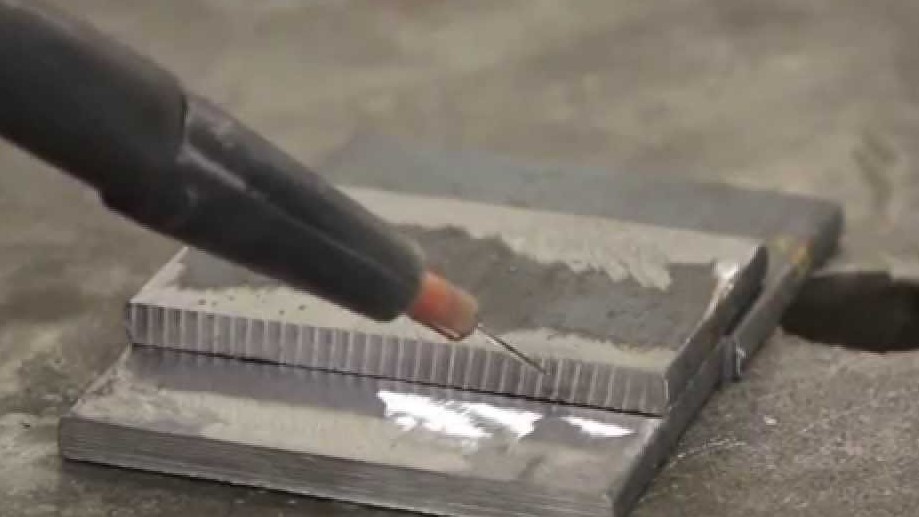
Mastering flux core welding allows you to create strong metal bonds without the hassle of external gas tanks. This beginner-friendly guide covers everything you need to know, from setting up your machine to laying the perfect bead in 2026.
Welcome to the world of metal fabrication. If you have ever wanted to fix your truck, build a custom garden gate, or start a hobby in your garage, learning how to weld with a flux core wire welder is your best first step. By 2026, welding technology has become more accessible and intuitive than ever, allowing beginners to achieve professional-looking results with just a little bit of practice and the right guidance.
Flux core arc welding, often called “FCAW,” is a process that feeds a continuous hollow wire through a welding gun. Inside that wire is a chemical compound called flux. When the wire melts, the flux burns off and creates a protective shield of gas around your weld. This means you do not need to lug around heavy shielding gas cylinders, making this the ultimate portable welding solution for outdoor work.
Key Takeaways
- No External Gas Needed: Flux core welding uses a special wire with a shielding agent inside, making it perfect for windy outdoor projects.
- Polarity Matters: Most flux core setups require DCEN (Direct Current Electrode Negative) polarity, so check your manual before you start.
- Cleanliness is Essential: While flux core handles rust better than MIG, always grind your metal down to bare steel for the best results.
- Manage Your Wire Speed: Matching your wire feed speed to your voltage is the secret to a smooth, crackling sound and a clean weld bead.
- Proper Gun Angle: Using a drag technique rather than a push technique ensures better penetration and keeps slag out of your weld puddle.
- Safety First: Never ignore your PPE; high-quality auto-darkening helmets and fire-resistant clothing are non-negotiable in 2026.
Understanding Your Equipment
Before you pull that trigger, you need to know what you are working with. A modern flux core welder consists of a power source, a wire drive system, a welding gun, and a ground clamp. In 2026, many machines are “multiprocess,” meaning they can handle flux core, solid wire MIG, and even stick welding. It is important to know your machine’s limitations and how to set it up correctly for the specific task at hand.
Setting Up Polarity
One of the most common mistakes beginners make is ignoring polarity. Unlike solid wire MIG welding, which usually uses DCEP (Direct Current Electrode Positive), flux core welding almost always uses DCEN (Direct Current Electrode Negative). You will usually find a small door inside your wire cabinet where you can swap your leads. If you get this wrong, your weld will look messy, create excessive spatter, and lack structural integrity. Always check the label on your wire spool and your machine manual.
Adjusting Wire Feed and Voltage
Think of your machine settings like a stereo system. You have your voltage, which controls the heat, and your wire feed speed, which controls how much metal enters the puddle. If your settings are off, you might hear a “pop-pop” sound rather than the steady “bacon frying” sound that indicates a good weld. If the wire is too fast, it will poke through the puddle and push the gun back. If it is too slow, the wire will burn back toward the tip of the gun. Start with the manufacturer’s suggested settings often found on a sticker inside the machine’s door and tweak from there.
Preparing Your Workspace and Materials
The secret to a great weld often happens before the arc is ever struck. Even though flux core welding is “forgiving” regarding contaminants, taking a few extra minutes to prep your materials will make your life much easier. In 2026, we have access to high-speed angle grinders that make this step faster than ever.
Cleaning the Metal
You want to remove paint, heavy rust, grease, and mill scale from the area you plan to weld. A flap disc on an angle grinder is perfect for this. When metal is clean, the arc is more stable, and you have much less spatter to clean up later. If you are welding through paint, you are not just getting a bad weld; you are also breathing in toxic fumes. Don’t skip the cleaning step!
Setting the Stage
Make sure your ground clamp has a solid connection to clean, bare metal. If the ground is loose or attached to a rusted surface, you will experience arc instability and your welder will struggle to maintain power. Also, ensure your workspace is free of flammable materials. Even a small spark can travel further than you think, so keep a fire extinguisher nearby at all times.
Mastering the Welding Technique
Now that you are set up and prepped, it is time to lay some metal. The way you hold the gun and move your hand will determine the strength and beauty of your weld. When you learn how to weld with a flux core wire welder, you have to embrace the “drag” technique.
The Drag Technique
For flux core, you should drag the gun rather than pushing it. Hold the gun at a slight angle—about 10 to 15 degrees—and pull the puddle toward you. This allows the slag to flow behind the puddle. If you push the gun, you will trap the slag underneath the weld bead, which results in a weak joint and “slag inclusions.” You want to focus on keeping the tip of the wire aimed at the leading edge of the puddle.
Maintaining Consistent Speed
Consistency is king. If you move your hand too fast, you will get a thin, “ropey” weld that doesn’t penetrate deep enough. If you move too slow, you will build up too much heat and potentially burn a hole through your steel. Aim for a steady, smooth pace. You can practice this on scrap metal before working on your actual project. Listen to that “bacon frying” sound; it is your best feedback tool.
Safety and Protection in 2026
Welding is fun, but it is also dangerous if you are careless. By 2026, protective gear has become lighter, more comfortable, and more effective. Never cut corners when it comes to your health. You only get one set of eyes and one set of lungs.
Personal Protective Equipment (PPE)
You need an auto-darkening welding helmet that meets current safety standards. These helmets protect your eyes from intense UV light and allow you to see clearly before you strike the arc. You also need heavy-duty leather welding gloves, a flame-resistant jacket, and leather boots. Avoid synthetic fabrics like polyester, as they can melt to your skin if hit by a spark.
Fume Management
Flux core welding creates more smoke than solid wire MIG. Always work in a well-ventilated area. If you are working in a garage, use an exhaust fan or open multiple doors and windows to create a cross-breeze. If you are doing a lot of welding, consider wearing a respirator rated for welding fumes. It is a small investment for your long-term health.
Troubleshooting Common Issues
Every welder, from the master craftsman to the weekend warrior, deals with issues. If your weld doesn’t look right, don’t get frustrated. Troubleshoot it systematically. Learning how to weld with a flux core wire welder is really a series of lessons in problem-solving.
Dealing with Spatter
Spatter is those little BBs of metal that spray around the weld area. If you have excessive spatter, check your wire feed speed, clean your contact tip, and ensure your ground clamp is tight. Using an anti-spatter spray on the nozzle of your gun can also help keep it clean and prevent the wire from sticking.
Porosity and Holes
If your weld looks like a sponge, that is called porosity. It usually happens because of wind blowing away your shielding gas or because your metal wasn’t clean enough. Since flux core is designed for outdoor use, it handles wind better than MIG, but a strong gust can still ruin a weld. If it is windy, build a simple windbreak out of plywood or welding curtains.
Advanced Tips for Better Results
Once you are comfortable with the basics, you can start experimenting. Welding is an art as much as a science. As you gain confidence, you will find your own rhythm and style.
Understanding Bead Profiles
You want your weld bead to be slightly convex or flat. A sunken bead might mean you have insufficient penetration, while a bead that is way too tall means you are moving too slow or running too cold. Practice different patterns, such as small circles or a “weaving” motion, to see how they affect the heat input and the shape of the finished weld.
Post-Weld Cleanup
Flux core leaves a layer of slag over the weld. Once the metal has cooled slightly, use a wire brush or a chipping hammer to remove that slag. It should pop off relatively easily, revealing a clean, shiny weld underneath. Never paint over slag, as it will just flake off and lead to rust later on.
Learning how to weld with a flux core wire welder is a rewarding journey. It gives you the power to repair what is broken and create what you imagine. By following these steps and staying safe, you will be producing high-quality welds in no time. Remember, every master welder started exactly where you are today with a machine, some scrap metal, and a desire to learn. Keep practicing, keep your gear in good shape, and enjoy the process of building with your own two hands.
Frequently Asked Questions
Do I need a gas cylinder for flux core welding?
No, you do not need an external gas cylinder for flux core welding. The wire itself contains a flux core that creates the necessary shielding gas as it melts, which makes this method perfect for outdoor or windy conditions.
Why does my weld have so much spatter?
Excessive spatter is often caused by an incorrect wire feed speed, poor ground connection, or using the wrong polarity. Check your machine’s manual to ensure you are using the correct DCEN polarity and that your voltage and wire speed settings match your material thickness.
Can I use flux core wire on a regular MIG welder?
Yes, many MIG welders can handle flux core wire, but you must ensure your machine supports it. You will likely need to change the drive rolls and ensure your machine can be switched to DCEN polarity, as most MIG welding uses DCEP.
How do I know if my weld penetration is deep enough?
A good weld should have good fusion into both pieces of metal with no gaps. If the bead sits on top of the metal rather than merging with it, you likely need to increase your heat or slow your travel speed to get better penetration.
Is flux core welding better than MIG welding?
Flux core is generally better for outdoor projects and thicker steel, while MIG provides cleaner, more aesthetic welds on thinner materials in a controlled environment. Neither is strictly “better,” but both serve different purposes depending on your specific project needs.
How often should I change my contact tip?
You should change your contact tip whenever you notice it getting clogged with spatter or if the hole becomes enlarged, which causes the wire to wander. A clean, properly sized tip is essential for maintaining a stable arc and high-quality weld results.