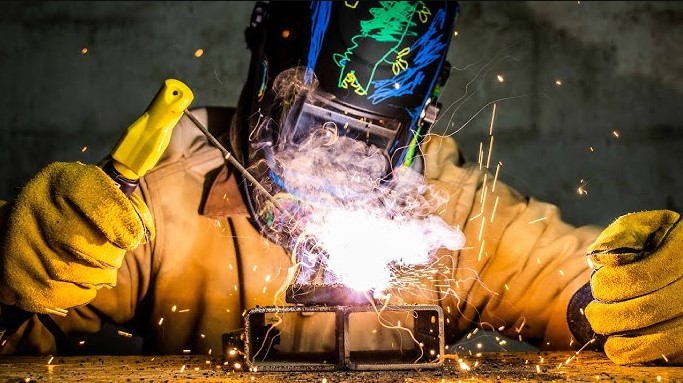
Welding is a physically demanding trade that requires strength, endurance, and flexibility to perform effectively. While modern technology in 2026 has introduced automation, welders still face significant strain from static postures, heavy lifting, and intense working environments that require long-term physical management.
If you are thinking about starting a career in the metal trades, you might be asking yourself: is welding physically demanding? The short answer is yes, absolutely. Welding is far from a desk job. It is a trade that asks a lot from your body every single day. From the heavy steel you move around to the tight corners you have to squeeze into, your body is your most important tool.
In 2026, the industry has changed in many ways. We have better safety gear, smarter robots, and more ergonomic tools than ever before. However, the fundamental reality of the job remains the same. You are working with intense heat, heavy equipment, and precise movements. If you want to make welding your long-term career, you need to understand exactly what you are getting into and how to take care of yourself.
Key Takeaways
- Physical Foundation: Welding requires core strength and balance to maintain steady hands under heavy gear.
- Postural Strain: Long hours in awkward, cramped, or overhead positions are a common cause of musculoskeletal fatigue.
- Weight of Gear: Carrying helmets, leathers, and heavy torches adds consistent load to the joints and muscles.
- Ergonomic Solutions: Using proper welding stools, anti-fatigue mats, and adjustable jigs can significantly reduce physical stress.
- Proactive Maintenance: Regular stretching and strength training are essential for a long and injury-free career in 2026.
- Tech Integration: While cobots handle some repetitive tasks, human skill and physical stamina remain vital in complex field environments.
Understanding the Physical Toll of Welding
When people think about the physical side of welding, they often think of lifting heavy beams. While that happens, it is actually the static nature of the job that causes the most issues. Holding a torch steady while your body is twisted into an unnatural shape is where the fatigue sets in.
Static Postures and Musculoskeletal Strain
Think about the last time you had to reach behind a piece of furniture for something. Now, imagine holding a hot, vibrating tool in that exact position for thirty minutes. That is a common day for a welder. Your muscles are constantly firing to keep you stable. This creates “static load,” which can lead to stiffness, soreness, and long-term joint pain if you aren’t careful.
The Weight of Your Equipment
In 2026, welding gear is lighter than it was a decade ago, but it still adds up. You have your welding helmet, your flame-resistant leathers, your steel-toed boots, and the torch itself. Over an eight or ten-hour shift, this extra weight acts like a weighted vest. It puts pressure on your neck, shoulders, and lower back. Even small reductions in weight, like choosing a carbon-fiber helmet or a lightweight whip, make a massive difference by the end of the day.
The Environment: Heat, Cold, and Tight Spaces
Is welding physically demanding? Look at the environment. Welders work in all sorts of conditions. You might be in a climate-controlled shop one day and an unheated construction site the next. Dealing with extreme temperatures requires your body to work harder just to keep you going.
Working in Cramped Quarters
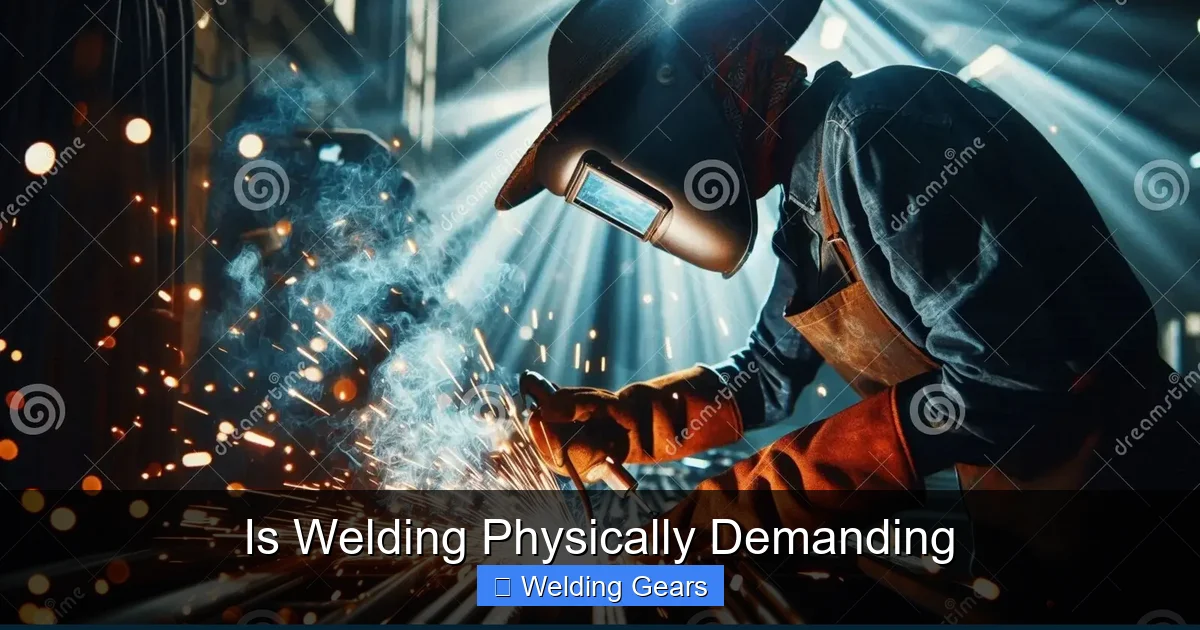
Sometimes you have to crawl inside a pipe or squeeze under a piece of machinery to get the weld right. These “confined space” welds are the ultimate test of physical endurance. You are often working in positions where you cannot use your full range of motion. This forces your smaller muscle groups to overcompensate for the larger ones. It is exhausting, both mentally and physically.
Thermal Stress and Hydration
Welding creates heat, and heavy protective clothing keeps that heat trapped against your skin. In the summer, this can lead to rapid dehydration and exhaustion. You have to be proactive about drinking water and taking breaks. Your body is a machine, and if it overheats, the quality of your welds will suffer. You must listen to your body when it says it needs a cooldown.
Ergonomics: How to Work Smarter, Not Harder
The good news is that we have learned a lot about ergonomics in recent years. If you ask, “is welding physically demanding,” you should also ask, “how can I make it easier?” Ergonomics is the science of designing your workspace to fit your body, rather than forcing your body to fit the workspace.
Setting Up Your Workstation
Before you pull the trigger, take a moment to look at your position. Can you move the workpiece to a better height? Can you use a clamp or a magnetic jig to hold the piece for you? Moving the metal instead of moving your body is the secret to a long career. Adjustable welding tables are a game-changer. They allow you to stand or sit at a comfortable height, which protects your spine over the long haul.
Using Proper Footwear and Mats
You spend most of your day on concrete. Concrete is hard on your joints, specifically your knees and ankles. High-quality work boots with good arch support are a must. Additionally, using anti-fatigue rubber mats around your workstation can save your legs. It might sound like a small change, but it makes a huge difference in how you feel when you clock out.
Strength and Conditioning for Welders
If you want to be a welder, you should train like an athlete. You do not need to be a bodybuilder, but you do need functional strength. Focus on core stability and flexibility. Your core supports your spine when you are hunched over a weld, and flexibility helps you get into those awkward spots without pulling a muscle.
The Importance of Stretching
Start your shift with a quick warm-up. Five minutes of stretching your shoulders, back, and wrists can prevent many of the common repetitive strain injuries. After work, try some light yoga or simple stretches to reset your posture. If you sit hunched over all day, your chest muscles get tight and your back gets weak. Stretching helps counteract this “welder’s hunch.”
Functional Fitness Tips
Focus on exercises that mimic your movements on the job. Squats are great because they prepare your legs for crouching. Planks are perfect for building the core strength needed to hold steady positions. If you keep your body strong, the physical demands of welding will feel much more manageable. Consistency is the key—a little bit of training every week goes a long way.
The Role of Technology in 2026
We are living in an exciting time. Welding technology has made significant leaps in 2026. While the job is still physical, technology is helping us reduce the most damaging parts of the work. Robots and cobots (collaborative robots) are taking over the high-volume, repetitive tasks that cause the most wear and tear on human joints.
Automation as a Partner
Automation doesn’t replace the welder; it changes the role of the welder. Instead of doing a thousand repetitive welds, you might program the robot to do them while you focus on the complex, custom work that requires human judgment. This shift is helping keep veteran welders in the trade longer by reducing the repetitive strain on their bodies.
Advanced Ergonomic Tools
We now have better torches with swiveling necks, lighter cables that don’t drag, and power-assisted lifting devices for heavy parts. When you have the choice, always go for the ergonomic version of your tools. Your hands and wrists will thank you in twenty years. Investing in yourself is the best investment you can make in your welding gear.
Conclusion: Managing the Demands of the Trade
So, is welding physically demanding? Yes. It is a challenging, intense, and rewarding career that asks a lot from your physical form. But it is also a career that can be managed and enjoyed for a lifetime if you are smart about it. By understanding the strain you put on your body, using the right ergonomic equipment, and keeping yourself fit, you can mitigate the risks.
Welding is about more than just melting metal; it is about precision, patience, and persistence. In 2026, the tools are better than ever, and the awareness of welder health is at an all-time high. Treat your body with respect, take the necessary precautions, and you will find that the physical demands of the job are just another part of the satisfaction of a job well done. Stay safe, stay strong, and keep welding.
Frequently Asked Questions
Do I need to be a bodybuilder to be a welder?
No, you do not need to be a bodybuilder. While physical strength helps, flexibility, core stability, and endurance are much more important for surviving a long shift.
What are the most common physical injuries for welders?
The most common issues include lower back pain, neck strain, and shoulder fatigue caused by repetitive, static, and awkward working postures.
How can I reduce physical fatigue on the job?
You can reduce fatigue by using ergonomic stools, anti-fatigue floor mats, adjustable jigs, and taking short, frequent breaks to stretch your muscles throughout the day.
Are modern welding tools lighter than before?
Yes, in 2026, advancements in materials like carbon fiber and improved cable designs have significantly reduced the weight of welding guns and protective gear, easing the strain on welders.
How important is stretching for a welder?
Stretching is essential for maintaining mobility and preventing the stiffness that comes from holding static positions for long hours. A consistent warm-up and cool-down routine can drastically extend your career longevity.
Can robots take away the physical strain of welding?
Robots and cobots now handle many of the repetitive, high-volume tasks that cause wear and tear on the human body, allowing welders to focus on complex, high-skill projects that require human dexterity.