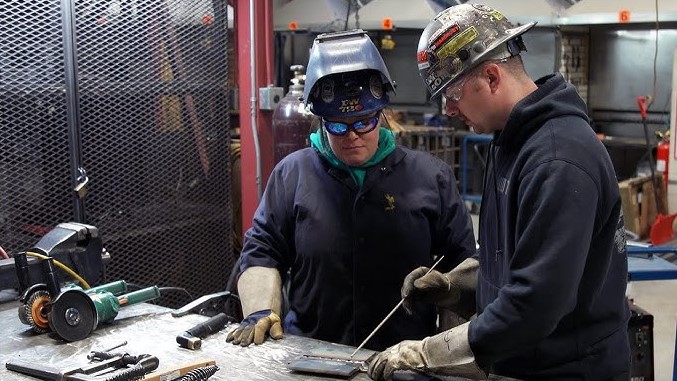
Welding is a dynamic, high-demand career that offers exceptional financial stability and endless opportunities for personal growth. In 2026, skilled welders are the backbone of modern infrastructure, enjoying excellent job security, diverse travel options, and the deep satisfaction of building things that last.
Have you ever looked at a massive bridge, a sleek skyscraper, or even the intricate frame of a high-end bicycle and wondered who put it all together? The answer usually points to a skilled professional holding a welding torch.
As we move further into 2026, the industrial landscape is shifting, and the demand for hands-on, high-skill labor has never been greater. If you are someone who enjoys working with your hands, solving complex problems, and seeing the immediate results of your effort, you might be asking: what are the benefits of being a welder?
Choosing a career in welding is about more than just joining two pieces of metal together. It is about entering a professional community that values grit, precision, and constant innovation.
While society has spent decades pushing everyone toward traditional desk jobs, the reality is that the world cannot run without the people who build it. Whether you are interested in the high-tech side of robotics or the rugged world of pipelines, welding offers a path that is as rewarding as it is challenging.
Key Takeaways
- High Earning Potential: Welders command competitive wages, especially with specialized certifications, often exceeding the income of many four-year degree graduates.
- Job Security: As infrastructure needs grow globally, the demand for certified welders remains consistently high, offering a “recession-proof” career path.
- Diverse Career Paths: From underwater construction and aerospace to artistic metalwork, the field offers immense variety for all interests.
- Low Educational Barrier: You can enter the workforce much faster than traditional college students, often with significantly less student debt.
- Global Opportunities: Skilled welding certifications are recognized worldwide, making it a perfect career for those who enjoy traveling.
- Creativity and Tangibility: There is a unique, lasting sense of pride that comes from creating physical structures that impact society.
Financial Stability and Economic Growth
Let’s start with the most practical concern: money. One of the greatest benefits of being a welder is the earning potential. Unlike many entry-level roles that require years of low wages, skilled welders can start earning a comfortable living almost immediately after finishing their training. By 2026, the pay scales for specialized welding roles, such as underwater welding or pipeline inspection, have climbed significantly to match the high level of risk and expertise required.
The Advantage of Less Student Debt
While a university degree often comes with a mountain of debt, trade schools for welding are generally affordable and much shorter. You can often complete your certification in less than a year. By the time your friends are finishing their sophomore year at a university, you could already be two years into a career, saving money, and receiving pay raises. This financial head start is a major life advantage.
Overtime and Specialized Pay
Welders often have the opportunity to work overtime. Because many projects operate on strict, high-stakes deadlines, overtime pay is common and can drastically boost your annual income. If you are willing to travel or work in remote locations, the pay scales often include per diem payments and hazard pay, which can help you reach financial goals much faster than most of your peers.
Unmatched Job Security
In the modern economy, “job security” is a phrase we hear a lot, but rarely see in practice. As we look at the trends for 2026, automation is changing how we work, but it isn’t replacing the need for human insight. Welding is one of the few fields where the human touch remains essential. You need someone to troubleshoot, interpret complex blueprints, and handle unique field repairs that a robot simply cannot manage.
Visual guide about What Are the Benefits of Being a Welder
Image source: weldingtroop.com
The Infrastructure Backbone
Every country in the world is constantly repairing or expanding its infrastructure. Roads, bridges, pipelines, energy grids, and water systems all require the expertise of a professional welder. Because these structures are vital to public safety, the work is considered essential. Even during economic downturns, the need for maintenance and infrastructure repair continues, providing you with a stable safety net.
A High-Demand Skillset
The workforce is aging, and there is a significant shortage of skilled tradespeople. This puts you in a position of power. Employers are actively searching for talent, often offering signing bonuses and better benefits to attract high-quality welders. When you have a trade skill, you are not just an employee; you are a valuable asset to any project manager.
Variety and Geographic Mobility
If you hate the idea of sitting in a cubicle from nine to five, welding is the perfect antidote. One of the massive benefits of being a welder is that you are rarely stuck in the same place. You might work in a manufacturing plant one month and on a bridge deck or an offshore oil rig the next. This variety keeps the job fresh and exciting.
Working Globally
Welding codes are often universal. A certification you earn in one state or country is often recognized in others, provided you meet the local safety standards. This means you have the freedom to live where you want. If you enjoy the outdoors, you might choose to work on remote pipelines in Alaska or Australia. If you prefer the city, you can find work in industrial construction hubs.
Specialized Niches
Beyond standard structural work, there are niche areas that offer unique experiences. You could specialize in aerospace, where you work on components for aircraft. You could get into automotive custom fabrication, helping build high-performance race cars. Or, if you have a creative streak, you can combine your technical skills with art, creating metal sculptures for public spaces. The versatility of the craft ensures you never get bored.
The Satisfaction of Tangible Work
There is a unique psychological benefit to being a welder that is hard to explain to those who don’t work with their hands. In many office jobs, you finish your day having pushed some emails around, and you don’t really have anything to show for it. In welding, you walk away from your shift looking at something you literally built.
Building the Future
When you finish a weld, you know that the joint is solid, safe, and part of something bigger. There is a deep sense of pride in knowing that you contributed to the safety and functionality of a project. Whether it’s a piece of medical equipment or a high-pressure pipe, your precision is the reason the system works.
Problem Solving and Critical Thinking
Welding is not just about holding a torch; it is about problem-solving. Every piece of metal reacts differently to heat, and every project comes with its own set of constraints. You have to understand physics, geometry, and material science to make the perfect weld. Every day presents a new puzzle to solve, which keeps your brain sharp and engaged.
Entrepreneurial Opportunities
If you have an ambitious spirit, being a welder provides a fantastic foundation for starting your own business. Many successful welders eventually transition from working for a company to running their own mobile welding rigs. This is one of the ultimate benefits of being a welder: the ability to be your own boss.
Starting Your Own Mobile Rig
With a truck, a reliable welding machine, and some basic gear, you can go to your clients. Whether it’s repairing farm equipment on-site or fixing gates for residential homeowners, the overhead costs are relatively low compared to other businesses. If you provide quality work and great service, the word-of-mouth growth can lead to a very successful and profitable local business.
Consulting and Education
Once you reach a senior level in your career, your options expand further. You might move into inspection, training new welders, or becoming a welding consultant. The industry is always in need of experienced professionals who can teach the next generation. This allows you to scale back the physical intensity of the job while staying within the industry you love.
Conclusion
In 2026, the question “what are the benefits of being a welder” can be answered in many ways. It is a path that offers financial independence, true job security, and the thrill of constant variety. It is a career that respects hard work and rewards those who are willing to put in the time to master their craft.
At the end of the day, welding is about more than just metal; it is about building a life that you are proud of. If you value being an essential part of society and want a career that allows you to work with your hands while keeping your financial future secure, welding is a smart, powerful choice. So, pick up the torch and start building your legacy today.
Frequently Asked Questions
Is welding physically demanding?
Yes, welding can be physically demanding as it involves standing, kneeling, and lifting equipment for extended periods. However, it also builds great physical conditioning, and many welders utilize ergonomic gear to make the work more comfortable over time.
Do I need a college degree to be a welder?
No, a traditional four-year college degree is not required to be a professional welder. Most welders complete a certificate program at a community college or a vocational trade school, which takes significantly less time and costs much less.
Can I make a good living as a welder in 2026?
Absolutely, skilled welders are in high demand and command competitive salaries. Many welders earn well above the national average, especially when specializing in fields like underwater welding, pipeline work, or nuclear energy.
Is welding a safe career choice?
While welding involves exposure to heat and sparks, it is a very safe career when proper safety gear and protocols are followed. Modern technology and high-quality protective equipment have made the profession much safer than it was in the past.
Will robots replace welders in the future?
Robotic welding handles repetitive, automated tasks, but it cannot replace the complex problem-solving and versatility required for custom, field, or repair welding. Skilled human welders are needed to program, maintain, and perform the work that machines simply cannot reach.
How do I get started in a welding career?
The best way to start is by enrolling in an accredited welding program at a local community or trade school to earn your certifications. Once you have the basics down, you can seek an apprenticeship or an entry-level position to gain real-world experience.